Best for Distortion at high volume
Dali Sonik 1
5.0 attribute score
Highest scored product for this attribute based on supporting review evidence.

Highest scored product for this attribute based on supporting review evidence.
Balances the attribute score, supporting reviews, and overall product strength.
Has the broadest review evidence for this attribute.
Strongest overall product among items with scored evidence for this attribute.
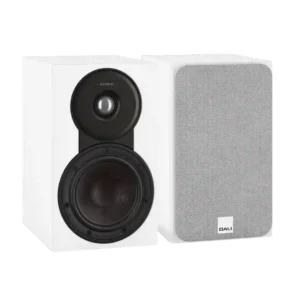
The Sonik 1 handles loud signals with very little audible distortion, maintaining clarity and control when pushed.
Pros: Value for money, Aesthetic design / Finish options
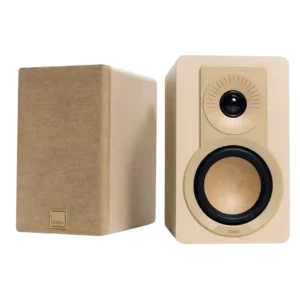
Reviewers generally found distortion well controlled, including at fairly high levels, with woofers and treble staying composed. The strongest caveat is simply not to treat this tiny speaker as a...
Pros: Bass performance, Value for money
Cons: Amplifier power requirements, Break-in period
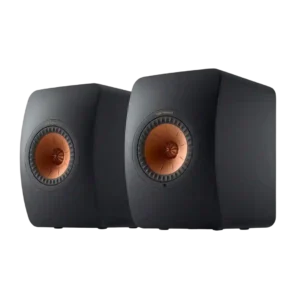
High-volume cleanliness is mostly praised, though one synthesis review warns control drops at concert-hall levels.
Pros: Frequency response balance, Stereo imaging accuracy
Cons: Price, HDMI ARC

High-volume composure is generally excellent: most reviewers heard little distortion, muddiness, or loss of control as levels rise. One test did report the midrange and highs starting to smear near...
Pros: Stereo imaging accuracy, Aesthetic design / Finish options
Cons: Smart features, EQ customization
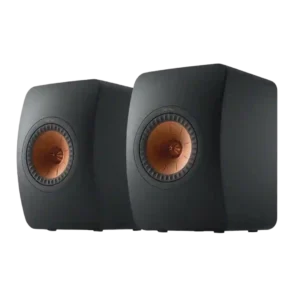
High-volume cleanliness was praised, especially compared with the original LS50, though one review still tied stress to very high volume levels.
Pros: Frequency response balance, Stereo imaging accuracy
Cons: Subwoofer
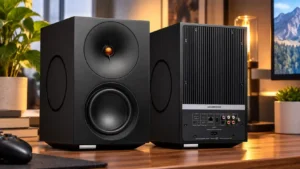
High-volume playback is generally judged composed, including an encouraging absence of concentrated distortion peaks in measurement-led testing.
Pros: Design and aesthetics, Overall sound quality
Cons: Placement footprint, Midrange performance
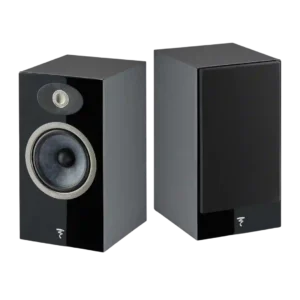
High-volume behavior is mostly composed and low in audible distortion, though reviewers noted low-frequency compression and some vocal energy or cabinet coloration at higher levels.
Pros: Stereo imaging accuracy, Detail retrieval
Cons: Subwoofer, Low-volume performance

Playback stays clean through normal listening levels. One test reported no distortion at all, while another heard only a hint of clipping near maximum volume.
Pros: Overall product quality, Overall sound quality
Cons: Remote control usability, Control button responsiveness
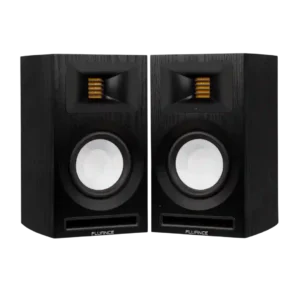
Most reviewers found the Ri71 clean at normal-to-loud levels, but several noted honkiness, edge, harshness, or limits when pushed very hard.
Pros: Detail retrieval, Value for money
Cons: optical, Smart features
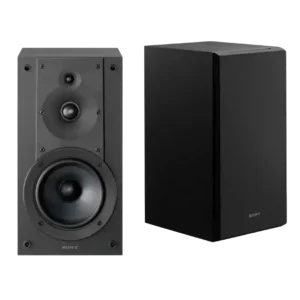
High-volume distortion impressions were split: one reviewer warned of grain under stress, while another found no strain in loud sweeps.
Pros: Frequency response balance, Cabinet construction / bracing
Cons: Dynamic headroom
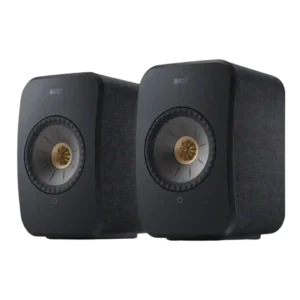
High-volume behavior was mixed: some heard little distortion, while others reported brightness, strain, hardness, or stridency near the top of the volume range.
Pros: Detail retrieval, Subwoofer
Cons: Distortion at high volume, Remote control usability
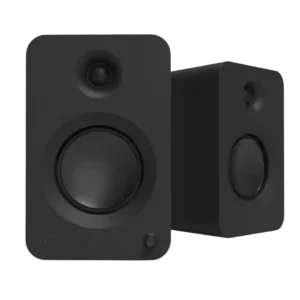
High-volume behavior was mixed: some heard clean, strain-free playback, while Audioholics and its video discussion flagged port chuffing/overload when pushed hard.
Pros: Wired input, Frequency response balance
Cons: Distortion at high volume
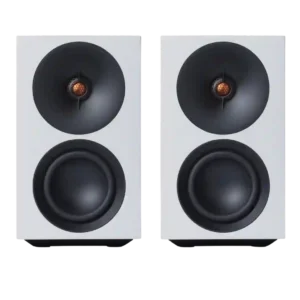
Very high volume is the clearest sonic limit: the stage can flatten, become shouty or compressed, and demanding bass can introduce audible strain. One first-listen report found the broader L/R...
Pros: Design and aesthetics, Small-room suitability
Cons: Distortion at high volume, On-device controls
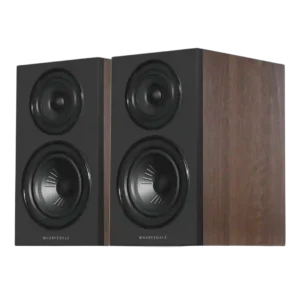
Very high-volume stress is the one clear distortion concern: one reviewer heard the sound harden and deteriorate when the speakers were driven beyond sensible levels. At normal listening levels, that...
Pros: Design and aesthetics, Music performance
Cons: Low-volume performance