Best for UPS functionality
Anker Solix C1000
5.0 feature score
Highest scored product for this feature based on supporting review evidence.

Highest scored product for this feature based on supporting review evidence.
Balances feature score, supporting reviews, and overall product strength.
Has the broadest review evidence for this feature.
Strongest overall product among items with scored evidence for this feature.
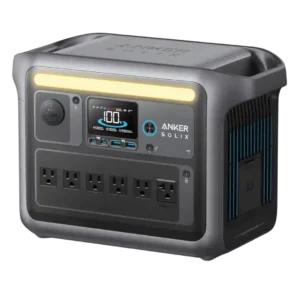
UPS mode is a major strength for offices, routers, medical equipment, and alarms. True bypass and quick switching worked well, although power-saving settings need attention for essential low-draw devices.
Pros: power output, rated output
Cons: dual-input charging, cable storage
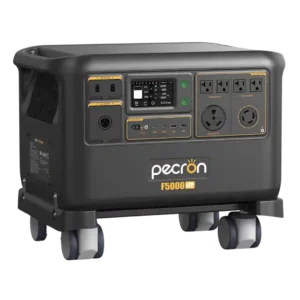
UPS performance is a clear strength across hands-on testing. Reviewers repeatedly report seamless or imperceptible switchover that kept computers, networking gear, and other connected loads running.
Pros: power output, output stability
Cons: firmware updates, built-in light
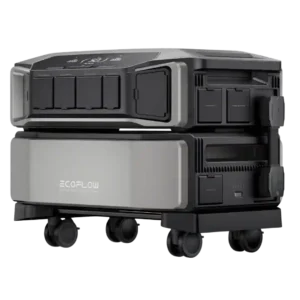
UPS use is highly effective for servers and critical household devices, with owners and testers valuing the ability to keep sensitive equipment powered through outages.
Pros: power quality, simultaneous device support
Cons: battery percentage accuracy, firmware updates
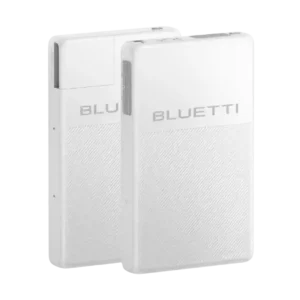
Detailed testing confirmed true UPS operation, including fast transfer and automatic recovery when configured.
Pros: power output, rated output
Cons: USB-A ports, 12-volt outlet
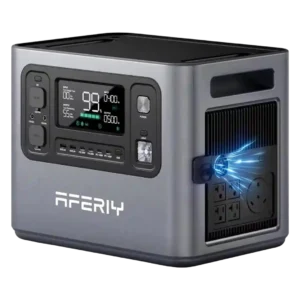
UPS operation is one of the P280’s strongest features, with rapid, seamless transfers that kept PCs and networking equipment online.
Pros: rated output, peak output
Cons: app connectivity, voltage regulation
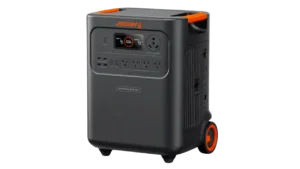
UPS functionality tested very well, with repeated reports of seamless continuity for computers, networking gear, and other sensitive loads.
Pros: output stability, voltage regulation
Cons: DC output, 12-volt outlet
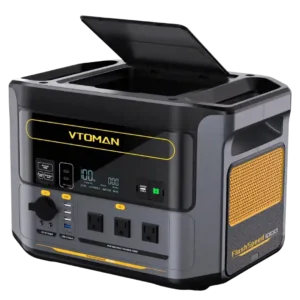
UPS mode worked reliably with computers, storage arrays, refrigerators, and other essentials, with no interruption reported in hands-on tests.
Pros: inverter quality, power quality
Cons: Wi-Fi connectivity, weather resistance
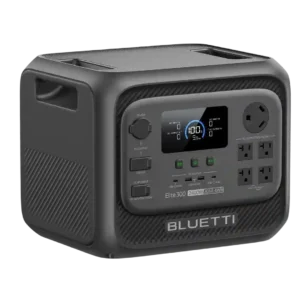
UPS performance is a standout strength: transitions were consistently fast and reliable across computers, routers, NAS devices, printers, and home-office equipment.
Pros: surge capacity, voltage regulation
Cons: water resistance, ventilation requirements
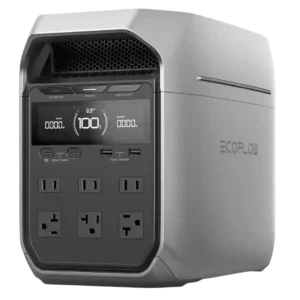
The under-10ms transfer works well for computers, networking equipment, refrigerators, printers, and home offices, with connected devices staying online during outages.
Pros: rated output, peak output
Cons: 30-amp output, parallel operation support
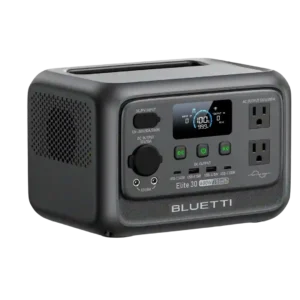
UPS performance is a standout, keeping routers, servers, PCs, CPAP machines, and networking gear running through outages. The main caveat is that it supplies backup power rather than full surge-conditioning...
Pros: rated output, output stability
Cons: over-voltage protection, cold-weather performance
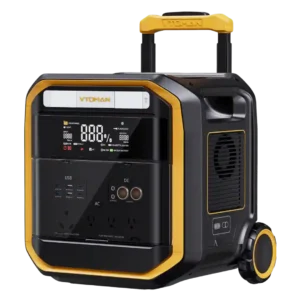
The UPS mode is widely praised for keeping computers, networking gear, refrigerators, and medical devices running through brief outages with little or no noticeable interruption.
Pros: power output, surge capacity
Cons: specification accuracy, peak output
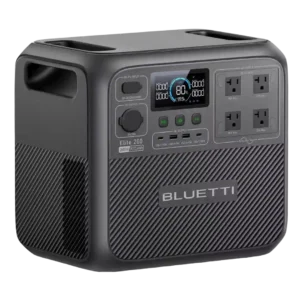
UPS performance is a major strength, keeping home-office, server, gaming, and essential-appliance setups operating through power interruptions.
Pros: output stability, pure sine wave output
Cons: specification accuracy, startup reliability
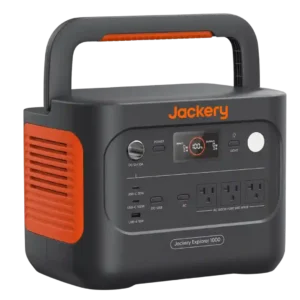
UPS operation generally kept routers, printers, and computers running through outages, though one account claimed manual switchover.
Pros: rated output, peak output
Cons: standby power loss, specification accuracy
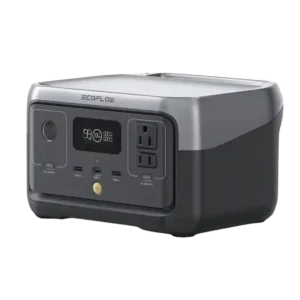
Pass-through backup is a valuable extra for routers and tolerant electronics; some tests kept computers running, while others warn the sub-30ms transfer is not a true online UPS.
Pros: surge capacity, output stability
Cons: dual-input charging, whole-home integration
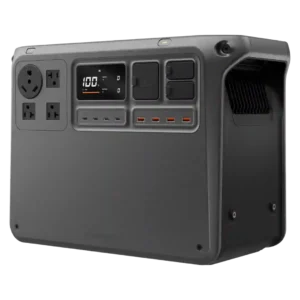
UPS operation is fast, automatic, and dependable in most tests, keeping offices, routers, computers, and other critical devices running.
Pros: rated output, peak output
Cons: startup reliability, full-load noise
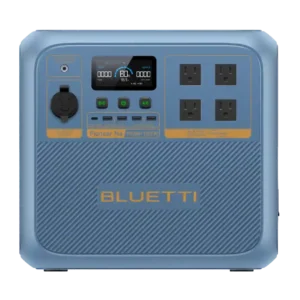
UPS behavior tested reliably across multiple reviews, switching without lockups or visible interruption.
Pros: pure sine wave output, startup performance
Cons: MPPT controller performance, battery expandability
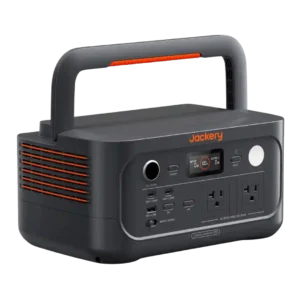
UPS behavior is generally viewed positively for routers, computers, and short outages, including a seamless hands-on transfer. A more cautious analysis noted that sensitive-equipment performance has not been independently quantified.
Pros: output stability, pure sine wave output
Cons: remaining runtime estimate, Bluetooth connectivity
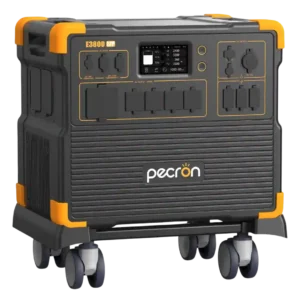
UPS behavior is generally reliable and fast enough for sensitive electronics, but output limits and some charge-state behavior create caveats in certain setups.
Pros: surge capacity, output stability
Cons: app connectivity, idle noise
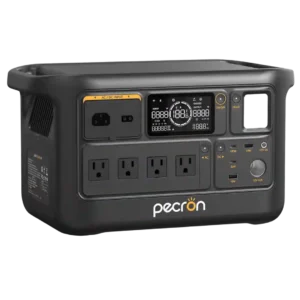
UPS performance is strong in hands-on tests, keeping PCs, laptops, and a 3D printer running through simulated or real outages. The 20ms-class transfer time may still be marginal for unusually...
Pros: rated output, peak output
Cons: startup reliability, whole-home integration
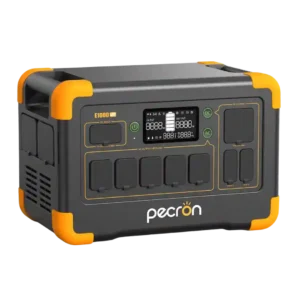
UPS behavior is generally dependable and fast enough for computers and home backup, though one specialist rates its backup implementation as only average for the class.
Pros: inverter quality, LiFePO4 battery
Cons: idle noise, built-in light
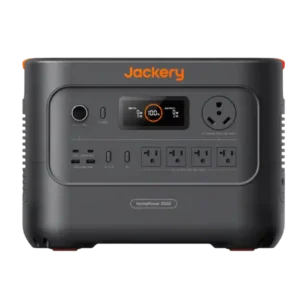
UPS behavior is generally useful for backup electronics, though one account warned that sensitive desktop computers may notice the switchover.
Pros: power output, rated output
Cons: battery expandability, car charging speed
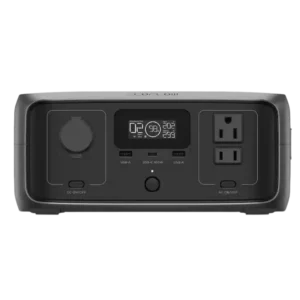
For routers, modems, computers, and network gear, UPS performance is usually seamless and excellent. A smaller but important group reports random AC shutdowns or failed transfers.
Pros: noise level, idle noise
Cons: self-discharge rate, air travel suitability
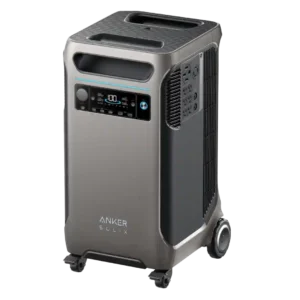
UPS performance is generally strong and seamless on the designated outlets, though only part of the 120V bank is protected and one PC test failed.
Pros: rated output, output stability
Cons: car charging speed, USB-A ports
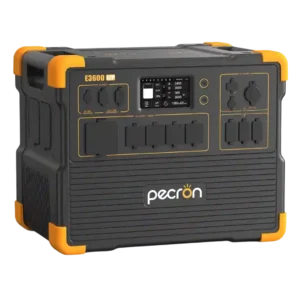
UPS performance is capable in normal 120-volt use, but some owners experienced discharge faults, overloads, or limitations in parallel and generator scenarios.
Pros: power output, rated output
Cons: output stability, voltage regulation
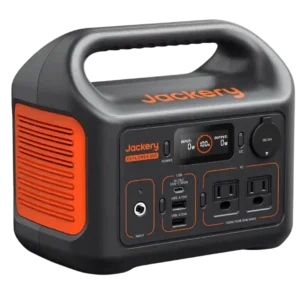
UPS-like behavior is inconsistent in how it is described: some reviewers use pass-through charging as office backup, while others note there is no true UPS mode.
Pros: output stability, voltage regulation
Cons: battery expandability, water resistance
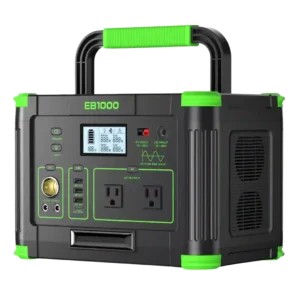
It can provide limited low-power backup in pass-through mode, but it is not a dependable true UPS for equipment that cannot tolerate interruptions.
Pros: rated output, output stability
Cons: battery expandability, startup reliability
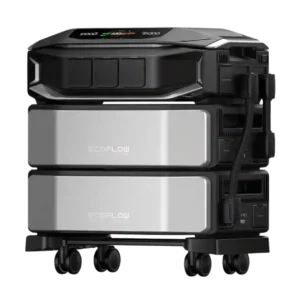
UPS behavior is less polished than the core backup experience. Several tests found limitations with 240V EV-style charging or charge-limit logic that can make simultaneous input and output behave unexpectedly.
Pros: output stability, voltage regulation
Cons: solar cable compatibility, UPS functionality