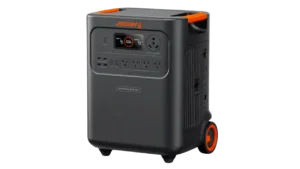
UPS functionality tested very well, with repeated reports of seamless continuity for computers, networking gear, and other sensitive loads.
Pros: output stability, voltage regulation
Cons: DC output, 12-volt outlet

UPS functionality tested very well, with repeated reports of seamless continuity for computers, networking gear, and other sensitive loads.
Pros: output stability, voltage regulation
Cons: DC output, 12-volt outlet
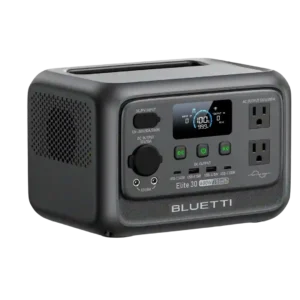
UPS performance is a standout, keeping routers, servers, PCs, CPAP machines, and networking gear running through outages. The main caveat is that it supplies backup power rather than full surge-conditioning...
Pros: rated output, output stability
Cons: over-voltage protection, cold-weather performance
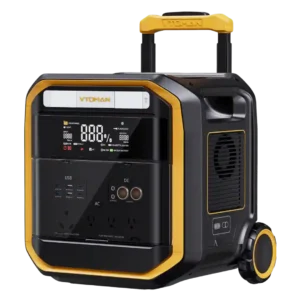
The UPS mode is widely praised for keeping computers, networking gear, refrigerators, and medical devices running through brief outages with little or no noticeable interruption.
Pros: power output, surge capacity
Cons: specification accuracy, peak output
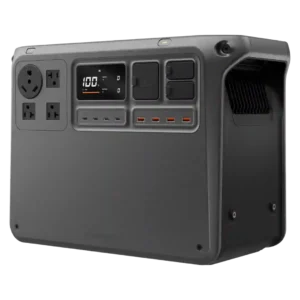
UPS operation is fast, automatic, and dependable in most tests, keeping offices, routers, computers, and other critical devices running.
Pros: rated output, peak output
Cons: startup reliability, full-load noise
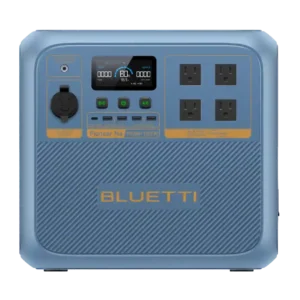
UPS behavior tested reliably across multiple reviews, switching without lockups or visible interruption.
Pros: pure sine wave output, startup performance
Cons: MPPT controller performance, battery expandability
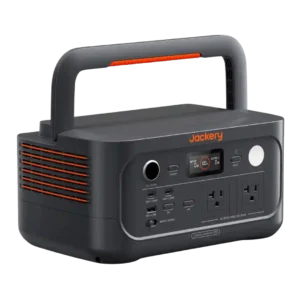
UPS behavior is generally viewed positively for routers, computers, and short outages, including a seamless hands-on transfer. A more cautious analysis noted that sensitive-equipment performance has not been independently quantified.
Pros: output stability, pure sine wave output
Cons: remaining runtime estimate, Bluetooth connectivity
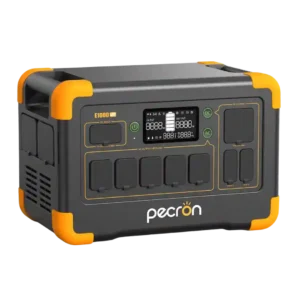
UPS behavior is generally dependable and fast enough for computers and home backup, though one specialist rates its backup implementation as only average for the class.
Pros: inverter quality, LiFePO4 battery
Cons: idle noise, built-in light
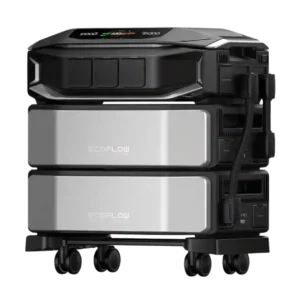
UPS behavior is less polished than the core backup experience. Several tests found limitations with 240V EV-style charging or charge-limit logic that can make simultaneous input and output behave unexpectedly.
Pros: output stability, voltage regulation
Cons: solar cable compatibility, UPS functionality