Best for sandbox freedom
Elder Scrolls V: Skyrim
5.0 feature score
Highest scored product for this feature based on supporting review evidence.

Highest scored product for this feature based on supporting review evidence.
Balances feature score, supporting reviews, and overall product strength.
Has the broadest review evidence for this feature.
Strongest overall product among items with scored evidence for this feature.
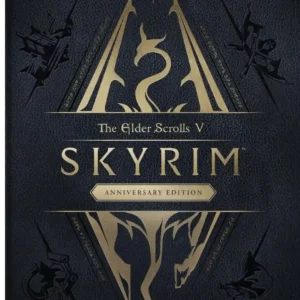
Skyrim gives players extraordinary freedom to ignore the main story, change builds, join factions, wander, craft, steal, explore, or simply live in the world. That agency is central to nearly...
Pros: gameplay mechanics, core gameplay loop
Cons: camera behavior, haptic feedback integration
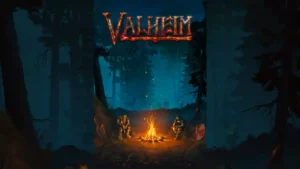
Valheim gives players exceptional freedom to build, explore, prepare, or chase bosses at their own pace without forcing one correct way to play.
Pros: core gameplay loop, movement feel
Cons: economy and resource balance, map and navigation design
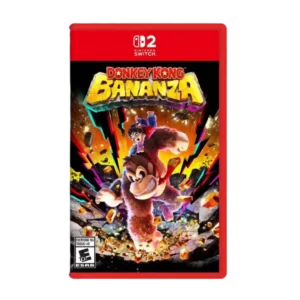
Sandbox freedom was strongly praised because the game lets players solve problems, dig, and play around with unusually few limits.
Pros: gameplay mechanics, world interactivity
Cons: economy and resource balance, enemy variety
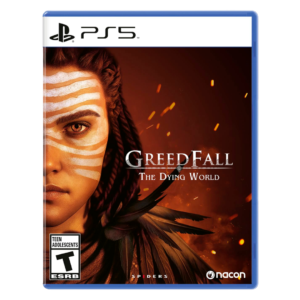
The strongest role-playing moments let players combine talents, companions, dialogue, stealth, and combat to forge their own route through a problem.
Pros: mission design, sandbox freedom
Cons: movement feel, aiming precision
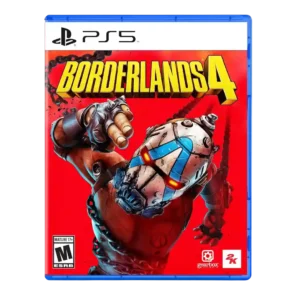
Sandbox freedom is praised for allowing players to leave the main path and explore Kairos with fewer structural constraints.
Pros: sandbox freedom, art direction
Cons: polish, save system reliability

Sandbox freedom is a major strength, with reviewers emphasizing the ability to do almost anything in any preferred order.
Pros: controls responsiveness, movement feel
Cons: tutorial quality, animation quality
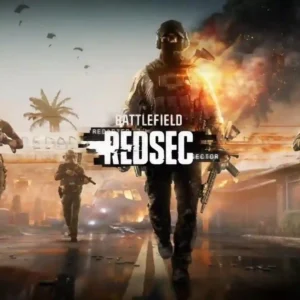
The map supports multiple viable survival plans, from aggressive engagements to hiding, repositioning, and using destruction or vehicles creatively.
Pros: controls responsiveness, sandbox freedom
Cons: frame rate stability, user interface design
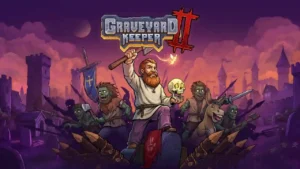
The game supports a relaxed, self-directed approach, letting players choose what to focus on without much pressure. That flexibility fits the cozy side of its otherwise macabre premise.
Pros: exploration quality, sandbox freedom
Cons: companion AI, protagonist appeal
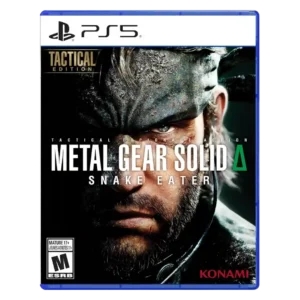
Sandbox freedom is highlighted as exceptional, with one reviewer calling the original design's interactive density unmatched in its genre.
Pros: world interactivity, sandbox freedom
Cons: crash stability, learning curve
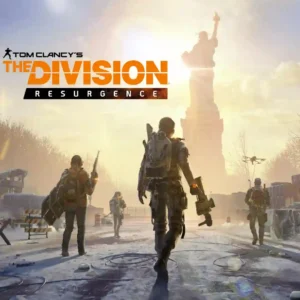
Once Manhattan opens up, players can freely choose missions, bounties, exploration, or tougher activities instead of following a rigid path.
Pros: exploration quality, sandbox freedom
Cons: mission variety, companion AI
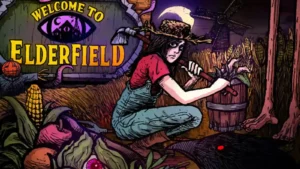
Players can spend their time farming, fighting, socializing, or exploring at their own pace, with relatively little pressure to follow one rigid path.
Pros: world interactivity, sandbox freedom
Cons: character diversity, character development

Players can approach exploration, creature use, puzzles, progression, and pacing in different ways, giving the world more of a playground feel than a rigid route.
Pros: level design, replay value
Cons: competitive balance, battle pass value

Sandbox freedom is highly praised, from driving anywhere to shaping spaces and feeling like an underdog in the festival world.
Pros: open-world design, replay value
Cons: dialogue quality, writing quality
Sandbox mode is well liked for removing money and objective pressure, while broader management settings still allow considerable freedom in how routes and companies are built.
Pros: level design, difficulty balance
Cons: writing quality, load times

Players are free to change builds, choose routes, delay bosses, use summons, or approach encounters in very different ways, making the game unusually accommodating of personal playstyle.
Pros: gameplay mechanics, core gameplay loop
Cons: platforming precision, tutorial quality
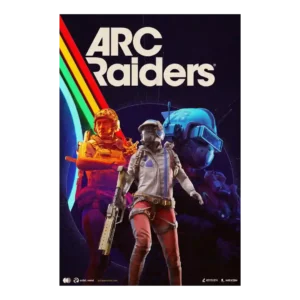
The game lets players choose between cooperation, betrayal, PvE, PvP, gadgets, and creative strategies in ways reviewers valued.
Pros: frame rate stability, platform-specific feature support
Cons: voice acting, writing quality

Endgame makes much better use of Avalon as a free-form sandbox than the campaign does. Its freedom to roam, tackle objectives, and play at your own pace is one of...
Pros: soundtrack quality, load times
Cons: character development, monetization fairness

Kanto is not an open world, but its middle and later sections give players meaningful freedom to choose routes, tackle objectives in different orders, and explore without constant direction.
Pros: boss design, side character depth
Cons: monetization fairness, originality
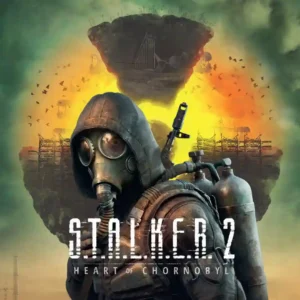
The game gives players substantial freedom to choose routes, alliances, combat approaches, and priorities. That agency is central to the feeling of carving out a personal life in the Zone.
Pros: core gameplay loop, sandbox freedom
Cons: pacing, dialogue quality
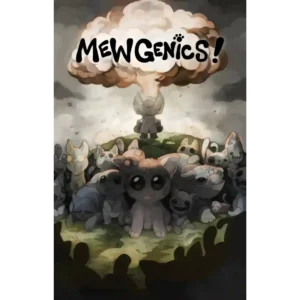
The game encourages experimentation instead of forcing one solved build, and its huge interaction space lets players discover absurdly powerful or disastrous combinations. Forced roster turnover helps keep that creative...
Pros: level design, exploration quality
Cons: age appropriateness, family friendliness
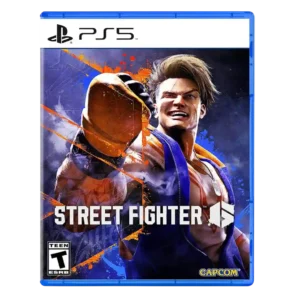
Avatar and moveset customization were major positives, letting players build intentionally wild or broken fighters.
Pros: movement feel, art direction
Cons: platforming precision, writing quality
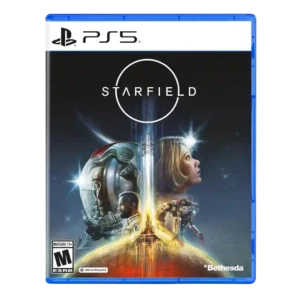
Sandbox freedom is one of Starfield’s main attractions for the right player, with reviewers praising the ability to wander, build, survey, and pursue your own goals.
Pros: puzzle design, sound design
Cons: accessibility options, AI behavior
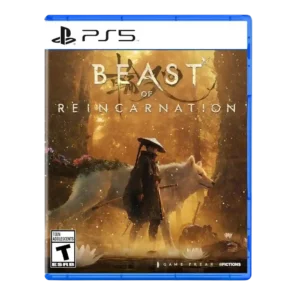
The vine abilities offer unusual freedom to create crossings, reach high ground, and approach enemies from above. The zones feel open without depending on a traditional open-world structure.
Pros: soundtrack quality, value for money
Cons: onboarding experience, aiming precision
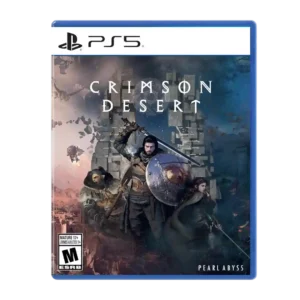
Reviewer evidence is strongly positive: sandbox freedom was repeatedly praised as a standout strength across 4 review(s).
Pros: level design, replay value
Cons: stealth mechanics, save system reliability
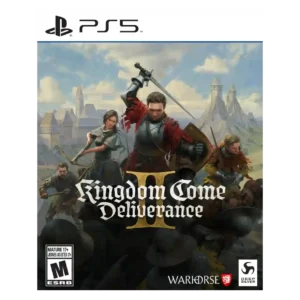
Reviewers admired the freedom to solve problems, exploit systems, and role-play, though the sandbox sometimes clashed with scripted story demands.
Pros: soundtrack quality, fun factor
Cons: checkpoint system, family friendliness
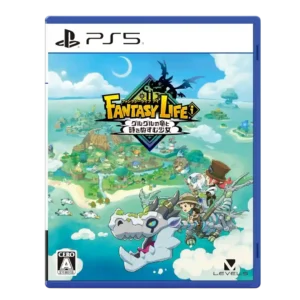
Sandbox freedom is a major positive, with many reviewers emphasizing player choice, personal pacing, and flexible activity selection.
Pros: load times, crash stability
Cons: originality, voice acting
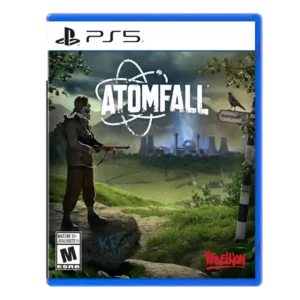
Sandbox freedom was praised strongly for player agency, kill-anyone flexibility, faction choices, and nonlinear routes through the story.
Pros: art direction, frame rate stability
Cons: boss design, camera behavior
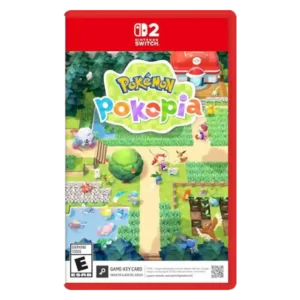
Sandbox freedom was strongly praised, especially the mix of free-form building, guidance, and postgame creative space.
Pros: protagonist appeal, faithfulness to franchise
Cons: map and navigation design, aiming precision
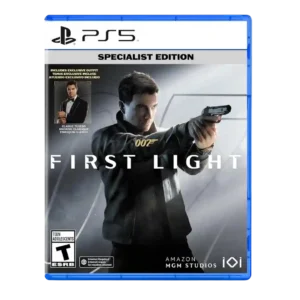
Sandbox freedom is repeatedly praised through multiple routes, player choice, creative problem solving, and locations that react to decisions.
Pros: level design, user interface design
Cons: AI behavior, facial animations

MyNBA’s long-running franchise structure gives players broad control over rosters, management, and league direction, with some modes explicitly framed as open-ended sandboxes.
Pros: crash stability, sandbox freedom
Cons: battle pass value, monetization fairness
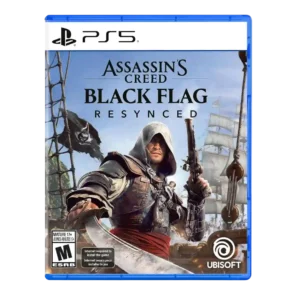
Sandbox freedom benefits from stealth and tool changes that let players approach encounters with more creativity.
Pros: core gameplay loop, visual effects quality
Cons: monetization fairness, microtransaction impact
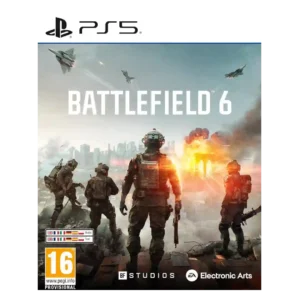
the multiplayer sandbox was praised for letting players create their own fun.
Pros: haptic feedback integration, performance optimization
Cons: pacing, microtransaction impact
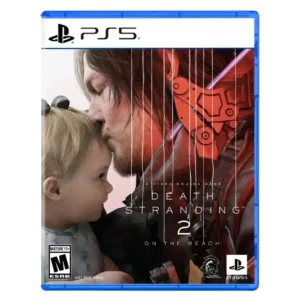
One reviewer praised the sequel for letting individual playstyles feel legitimate through its expanded systems.
Pros: animation quality, facial animations
Cons: quest design, AI behavior
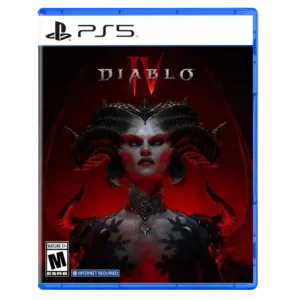
One review specifically praised player agency in choosing how to spend time across Sanctuary.
Pros: lore depth, art direction
Cons: mission variety, protagonist appeal
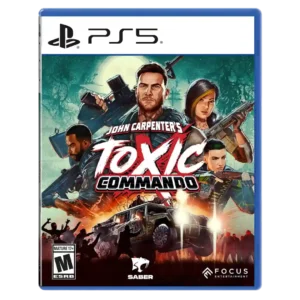
The semi-open maps let squads wander off the critical path and explore without penalties, a freedom reviewers appreciate compared with more linear horde shooters.
Pros: gameplay mechanics, boss design
Cons: age appropriateness, family friendliness
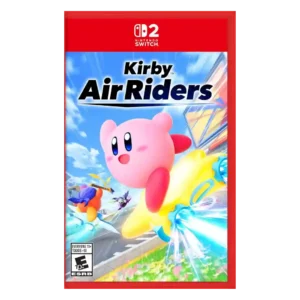
City Trial's roaming, upgrade-collecting structure was treated positively as a freer sandbox-style layer.
Pros: flying mechanics, exploration quality
Cons: AI behavior, boss design

Players can often choose how much danger to accept, from quietly looting and extracting to chasing tougher events or fights. That flexibility is a major part of the appeal for...
Pros: world interactivity, voice acting
Cons: menu usability, HUD clarity
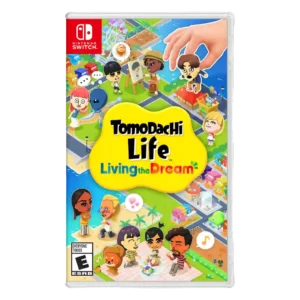
Creative freedom is one of the strongest points, with reviewers praising island building, custom objects, relationship nudging, and player-authored absurdity.
Pros: grind level, originality
Cons: social features, accessibility options
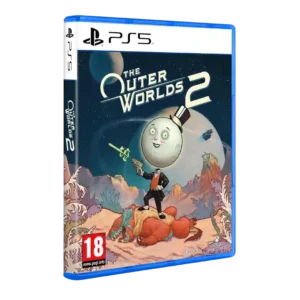
Reviewers strongly praised the freedom to solve situations through speech, stealth, combat, skills, traits, and prior discoveries.
Pros: world-building, mission design
Cons: mission variety, enemy variety
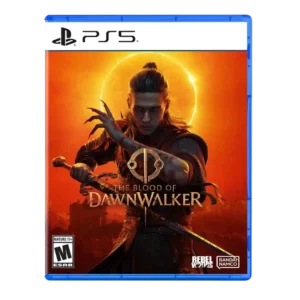
Players have substantial freedom to choose priorities, approach quests in different forms, ignore major objectives, or even challenge endgame threats early. That openness is central to the game’s role-playing identity.
Pros: puzzle design, sound design
Cons: haptic feedback integration, controls responsiveness
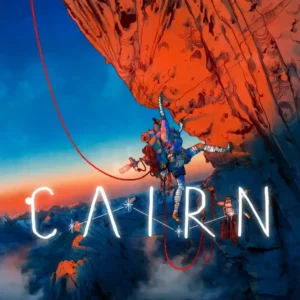
The mountain offers substantial freedom in choosing lines, shortcuts, detours, and risk levels, making the route feel like the player’s own rather than a fixed sequence.
Pros: open-world design, visual effects quality
Cons: frame rate stability, user interface design
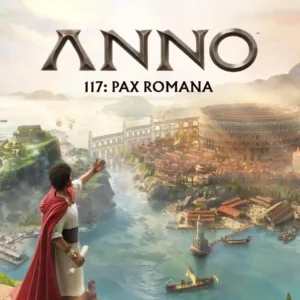
Endless and sandbox modes are where the systems fully open up, letting players tailor difficulty, rivals, regions, and long-term building goals.
Pros: skill tree depth, upgrade system
Cons: matchmaking quality, server reliability

Universe and the creation suite offer exceptional freedom to build rosters, shows, rivalries, arenas, and custom wrestlers. These systems remain some of the best reasons to keep playing after the...
Pros: lore depth, co-op experience
Cons: economy and resource balance, tutorial quality
The open world is described as freely explorable at the player's pace, supporting sandbox-style wandering around Gotham.
Pros: pacing, core gameplay loop
Cons: companion AI, map and navigation design
Sandbox freedom was generally appreciated when reviewers treated Free Roam as self-directed play, though one wanted more player freedom from the open-world premise.
Pros: animation quality, sound design
Cons: difficulty balance, AI behavior
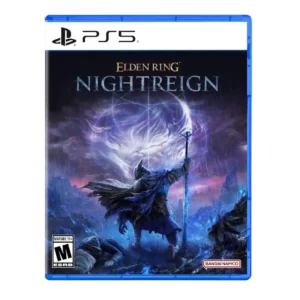
Reviewers liked the number of viable routes and experiments, though the format still constrained freedom compared with Elden Ring.
Pros: emotional impact, visual effects quality
Cons: crash stability, cross-play support
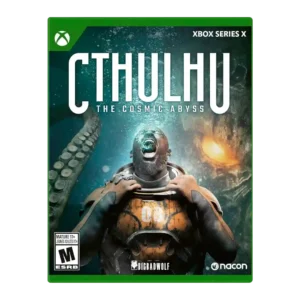
One review valued the freeform puzzle-story influence provided by alternate paths, even within an otherwise linear adventure.
Pros: world-building, world interactivity
Cons: enemy variety, stealth mechanics
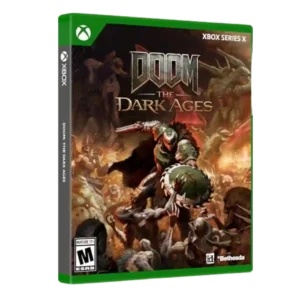
Sandbox freedom was praised for giving players meaningful freedom in larger maps and objective order.
Pros: environmental detail, polish
Cons: camera behavior, value for money
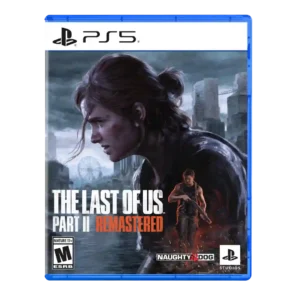
No Return’s sandbox-like setup was praised as a fun way to experiment outside the campaign’s narrative constraints.
Pros: core gameplay loop, level design
Cons: family friendliness, puzzle design
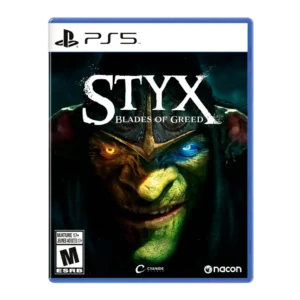
Freedom is a major draw: objectives usually support several routes and tactics, letting players improvise from rooftops, vents, crawlspaces, hidden paths, or gadget-assisted approaches.
Pros: world-building, stealth mechanics
Cons: boss design, endgame content