Best for onboarding experience
Virtua Fighter 5 R.E.V.O. World Stage
5.0 feature score
Highest scored product for this feature based on supporting review evidence.

Highest scored product for this feature based on supporting review evidence.
Balances feature score, supporting reviews, and overall product strength.
Has the broadest review evidence for this feature.
Strongest overall product among items with scored evidence for this feature.

World Stage and expanded training tools form a strong bridge for newcomers, letting them learn safely before facing experienced online opponents.
Pros: onboarding experience, faithfulness to franchise
Cons: character development, achievement list quality
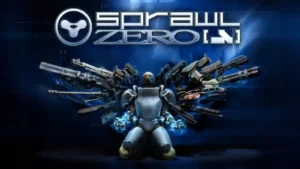
No knowledge of the original SPRAWL is required, and the mechanics are easy to pick up despite their unusual weapon rules.
Pros: world interactivity, progression system
Cons: load times, character development

Tutorials, contextual guidance and introductory systems are a clear strength, helping new managers understand the game's dense responsibilities without excessive hand-holding.
Pros: onboarding experience, replay value
Cons: save system reliability, multiplayer design

The opening establishes Logan and the basic combat clearly, but several reviewers feel the game takes too long to unlock its most enjoyable abilities.
Pros: accessibility options, onboarding experience
Cons: mission variety, bug frequency
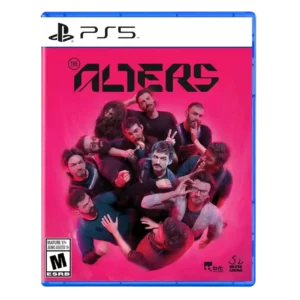
Onboarding was praised for introducing many systems without overwhelming the player.
Pros: controls responsiveness, onboarding experience
Cons: crash stability, grind level
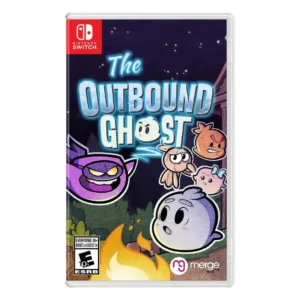
Systems are introduced gradually instead of through a long opening lecture, helping the game feel approachable from the start.
Pros: progression system, onboarding experience
Cons: mission design, mission variety

Onboarding was consistently strong because World Tour, guides, and Modern controls taught fundamentals without isolating newcomers.
Pros: movement feel, art direction
Cons: platforming precision, writing quality
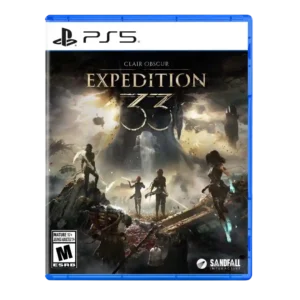
The opening was widely praised for establishing stakes quickly and delivering unusually strong early context.
Pros: monetization fairness, microtransaction impact
Cons: platforming precision, menu usability
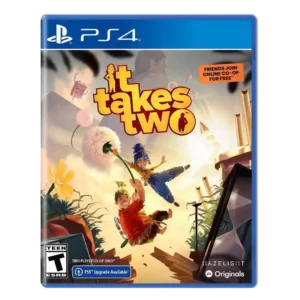
The onboarding is praised for welcoming new or non-gamer partners without heavy-handed teaching.
Pros: core gameplay loop, movement feel
Cons: character development, dialogue quality

The game introduces its many systems at a steady pace, with one reviewer explicitly saying it avoids overwhelming players too early.
Pros: skill tree depth, dialogue quality
Cons: emotional impact, economy and resource balance

The opening is praised as a strong onboarding sequence that sets mood, mechanics, and scale without heavy exposition.
Pros: onboarding experience, environmental detail
Cons: family friendliness, movement feel
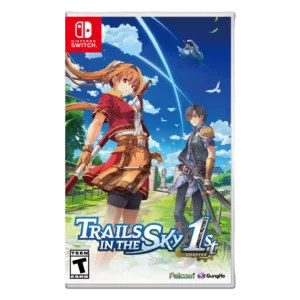
Reviewers consistently considered this remake an approachable starting point for newcomers to the Trails series.
Pros: protagonist appeal, art direction
Cons: camera behavior, tutorial quality
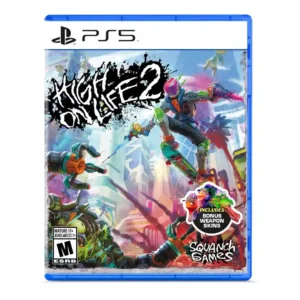
The interactive opening montage is widely praised as a funny, efficient way to recap events while teaching the basics and getting players into the action quickly.
Pros: tutorial quality, monetization fairness
Cons: polish, HUD clarity
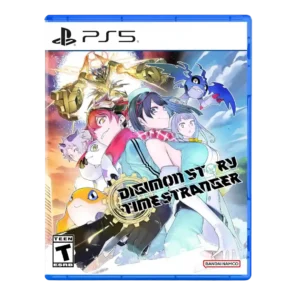
The game was repeatedly described as newcomer-friendly, with reviewers saying prior Digimon knowledge was not required.
Pros: atmosphere, world-building
Cons: HUD clarity, fast travel convenience
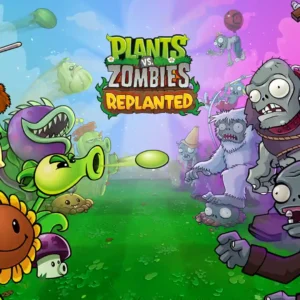
The opening stages teach through gradual additions rather than overwhelming explanation. That clear, interactive introduction remains one of the reasons the game works so well for first-time strategy players.
Pros: age appropriateness, family friendliness
Cons: competitive balance, level design
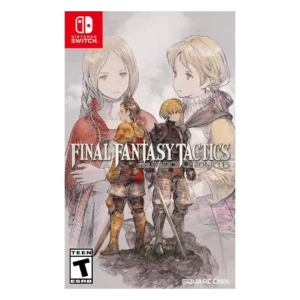
Onboarding was much better than older versions thanks to clearer systems, retries, State of the Realm, and more newcomer-friendly presentation.
Pros: emotional impact, polish
Cons: bug frequency, crash stability

Onboarding is praised for spectacular openings and smooth early introductions, though one reviewer felt the game later floods players with content.
Pros: controls responsiveness, movement feel
Cons: tutorial quality, animation quality

Onboarding was praised for teaching controls, lore, stats, and vampiric rules through the opening narrative rather than through intrusive instruction.
Pros: accessibility options, protagonist appeal
Cons: frame rate stability, polish

Onboarding is often praised through practice tools, story-as-tutorial design, and beginner ramps, though tutorial quality itself varies.
Pros: movement feel, world-building
Cons: save system reliability, mission variety

The clear catch-battle-trade structure makes the games a strong introduction to classic Pokémon, helped by simple controls and optional guidance rather than heavy hand-holding.
Pros: boss design, side character depth
Cons: monetization fairness, originality
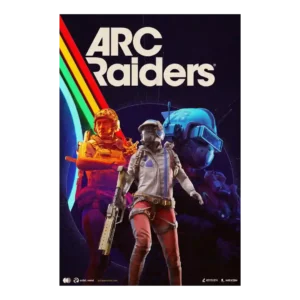
Many reviewers called Arc Raiders unusually approachable for an extraction shooter thanks to free loadouts, solo matchmaking, and forgiving progress.
Pros: frame rate stability, platform-specific feature support
Cons: voice acting, writing quality
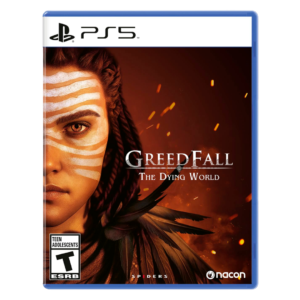
Several players find the opening effective at establishing culture, mechanics, and stakes, while others think it runs far too long. As an introduction to the world it is rich, but...
Pros: mission design, sandbox freedom
Cons: movement feel, aiming precision
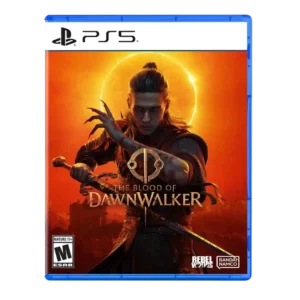
The prologue is widely praised for establishing Coen, the world, and the stakes, though a few previews found its earliest errands conventional. Its consequences quickly turn familiar tutorial tasks into...
Pros: puzzle design, sound design
Cons: haptic feedback integration, controls responsiveness
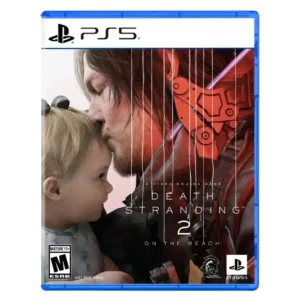
Onboarding is praised for clearer instructions, a stronger opening, and a better job of pulling players into the systems.
Pros: animation quality, facial animations
Cons: quest design, AI behavior

The game often teaches mechanics as they become relevant, which can feel natural and immersive. Its intentionally light guidance may still frustrate players who want every system explained upfront.
Pros: world interactivity, sandbox freedom
Cons: character diversity, character development
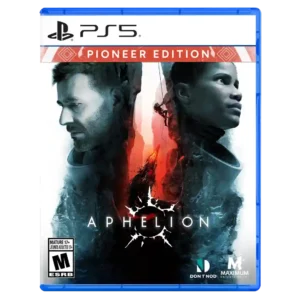
The crash sequence introduces movement and stakes quickly, creating an energetic opening that teaches the basics without a long delay.
Pros: HUD clarity, onboarding experience
Cons: user interface design, menu usability
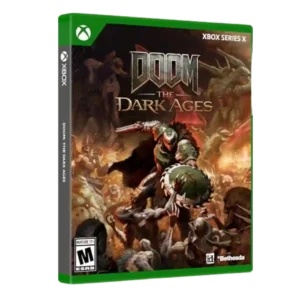
Onboarding was praised for welcoming new players and easing them into the revised systems.
Pros: environmental detail, polish
Cons: camera behavior, value for money

Newcomers can pick up the mechanics quickly, and prior knowledge of the first game is unnecessary. The colorful presentation and familiar platforming language make it easy to start.
Pros: monetization fairness, handheld play suitability
Cons: economy and resource balance, enemy variety
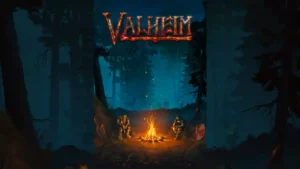
The basics are quick to understand and objectives provide direction without excessive handholding, making the early game approachable despite later complexity.
Pros: core gameplay loop, movement feel
Cons: economy and resource balance, map and navigation design
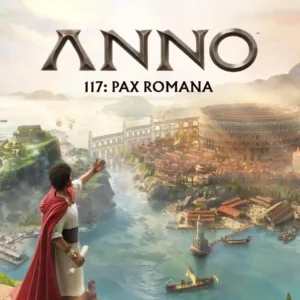
The campaign can provide a strong structured introduction, gradually exposing players to trade, culture, and production before sandbox freedom opens up.
Pros: skill tree depth, upgrade system
Cons: matchmaking quality, server reliability
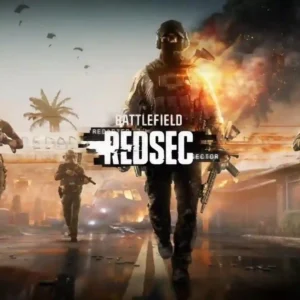
Familiar Battlefield and Warzone-style conventions make REDSEC easy to understand quickly, even if that familiarity contributes to its identity problem.
Pros: controls responsiveness, sandbox freedom
Cons: frame rate stability, user interface design
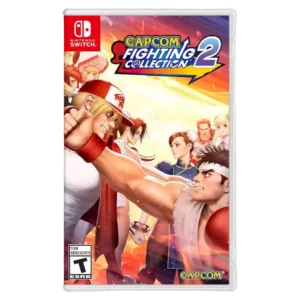
The collection’s onboarding is praised for making it easy to start learning mechanics through clear tools and approachable options.
Pros: emotional impact, sound design
Cons: cross-play support, boss design
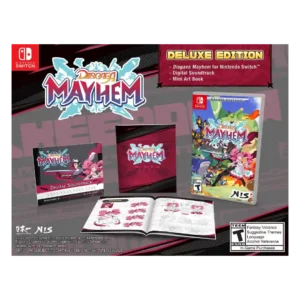
The demo gets players into action immediately and communicates the basic feel quickly, making it welcoming even without extensive instruction.
Pros: bug frequency, movement feel
Cons: enemy variety, AI behavior

Onboarding is helped by shared command layouts, smart controls, and quick-to-learn basics, though advanced mechanics still demand study.
Pros: emotional impact, animation quality
Cons: enemy variety, server reliability
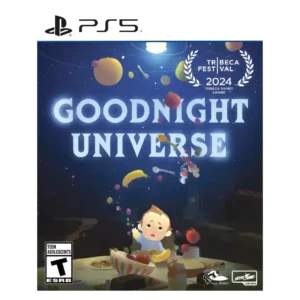
The onboarding was praised for easing players into Isaac’s powers through natural tutorialization.
Pros: side character depth, visual effects quality
Cons: user interface design, handheld play suitability
The easiest Story setting is praised as an effective introduction to modern timing-based action, especially because it teaches defensive responses without turning the game into a passive tutorial.
Pros: bug frequency, crash stability
Cons: economy and resource balance, open-world design
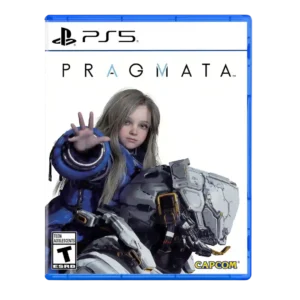
The onboarding experience is positive, easing players into shooting, movement, and hacking without dragging out the opening hours.
Pros: bug frequency, user interface design
Cons: HUD clarity, mission design
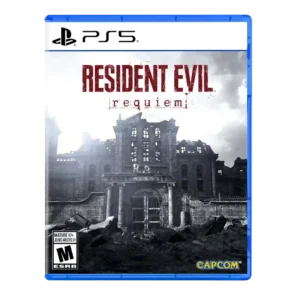
Onboarding was praised for easing players into story and lore without demanding deep series knowledge immediately.
Pros: driving mechanics, protagonist appeal
Cons: platform-specific feature support, checkpoint system
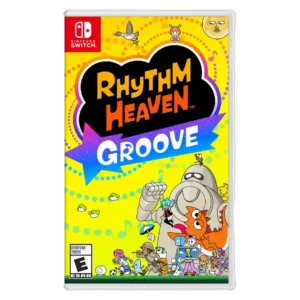
Onboarding is praised for giving players the tools to understand each mini-game without feeling overbearing.
Pros: couch co-op quality, accessibility options
Cons: platform-specific feature support, performance optimization
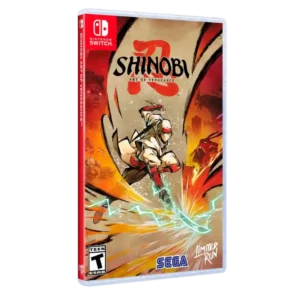
Onboarding is praised for easing the player into each move rather than overwhelming them with the full combat kit at once.
Pros: graphics quality, environmental detail
Cons: bug frequency, dialogue quality
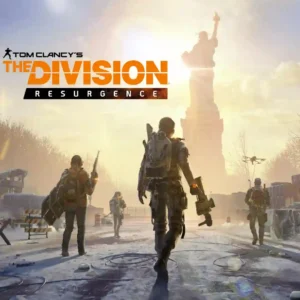
Systems are generally introduced in stages, with prompts, guides, and career objectives helping newcomers understand a dense game.
Pros: exploration quality, sandbox freedom
Cons: mission variety, companion AI

The opening gets pairs into cooperative play quickly and introduces new interactions in digestible bursts.
Pros: online stability, world-building
Cons: crash stability, camera behavior
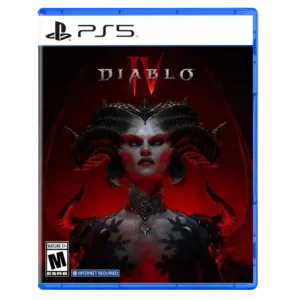
Reviews found the story and current ARPG structure approachable for newcomers, especially when major lore points were explained.
Pros: lore depth, art direction
Cons: mission variety, protagonist appeal
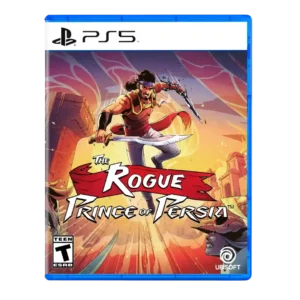
Onboarding was viewed positively in update coverage and Switch 2 impressions, especially for preparing players without confusion.
Pros: crash stability, HUD clarity
Cons: character development, visual effects quality
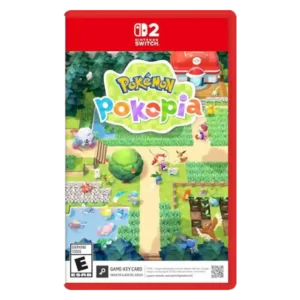
Onboarding was mostly positive, with several reviewers finding early flow smooth, concise, or less cumbersome than expected.
Pros: protagonist appeal, faithfulness to franchise
Cons: map and navigation design, aiming precision

The opening is more approachable than earlier Souls games thanks to an optional tutorial, flexible starting classes, and many routes to power. Some reviewers still want clearer explanations of classes...
Pros: gameplay mechanics, core gameplay loop
Cons: platforming precision, tutorial quality

Onboarding is considered welcoming, with assisted introductions and early pacing that helps new players understand racing lines and controls.
Pros: open-world design, replay value
Cons: dialogue quality, writing quality
Story mode and the tutorials generally do a good job introducing a complex simulation organically, though one critic found the opening poorly put together.
Pros: level design, difficulty balance
Cons: writing quality, load times
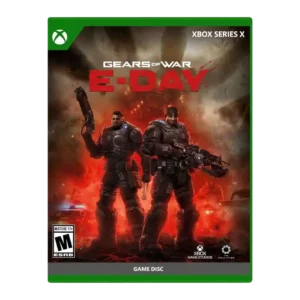
Onboarding is praised for being thoughtful and helpful to new players, especially around practice space and active reload presentation.
Pros: emotional impact, art direction
Cons: value for money, platform-specific feature support
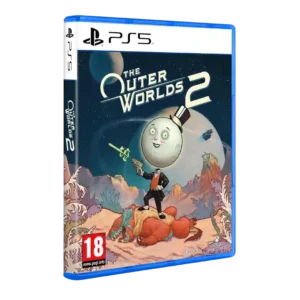
Onboarding and character setup were mostly praised for immediately expressing background, traits, and build identity.
Pros: world-building, mission design
Cons: mission variety, enemy variety