Best for learning curve
Dispatch
5.0 feature score
Highest scored product for this feature based on supporting review evidence.

Highest scored product for this feature based on supporting review evidence.
Balances feature score, supporting reviews, and overall product strength.
Has the broadest review evidence for this feature.
Strongest overall product among items with scored evidence for this feature.

The dispatch system is easy to understand over time, and one reviewer praised how the player’s learning curve mirrors Robert’s growth. Poor explanations in other reviews make onboarding less consistently...
Pros: mission design, upgrade system
Cons: family friendliness, onboarding experience
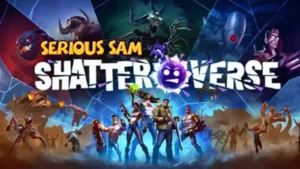
The challenge structure can be approachable for newcomers while still giving experienced players room to test their reflexes and knowledge.
Pros: skill tree depth, learning curve
Cons: aiming precision, pacing
The systems move quickly but remain easy to understand, making the game approachable without sacrificing room for mastery.
Pros: world interactivity, progression system
Cons: load times, character development
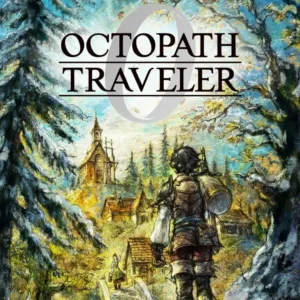
Despite the large party and layered systems, reviewers generally found the fundamentals easy to learn, with complexity building gradually as new mechanics arrive.
Pros: core gameplay loop, world-building
Cons: choice impact, economy and resource balance

The fundamentals are easy to pick up, and most players can settle into the handling quickly. Drifting and sensitivity take a little practice without making the game broadly inaccessible.
Pros: haptic feedback integration, sound design
Cons: core gameplay loop, soundtrack quality
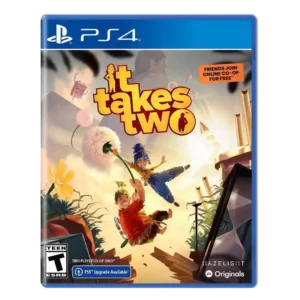
The learning curve is viewed positively, especially for non-gamers, with gradual skill development and inclusive design.
Pros: core gameplay loop, movement feel
Cons: character development, dialogue quality
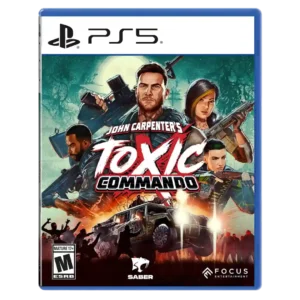
The familiar structure and straightforward mechanics make the game easy for shooter veterans to understand quickly, with several reviewers describing it as simple to jump into.
Pros: gameplay mechanics, boss design
Cons: age appropriateness, family friendliness
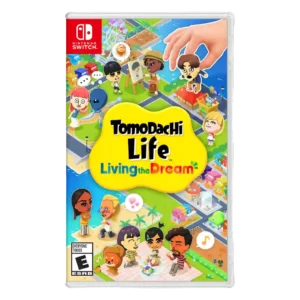
The game is widely framed as easy to pick up, approachable, and accessible in play style rather than demanding or skill-heavy.
Pros: grind level, originality
Cons: social features, accessibility options
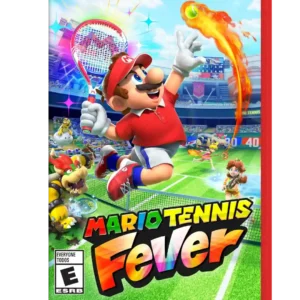
This is one of the game's clearest strengths: newcomers can serve and rally quickly, yet character traits, shot selection, positioning, and Fever counters provide room to improve. A few reviewers...
Pros: facial animations, load times
Cons: exploration quality, puzzle design
The game is unusually approachable for a large military battle royale. Familiar systems, straightforward objectives, and Gauntlet make it easy to get started despite some deeper class and destruction mechanics.
Pros: controls responsiveness, sandbox freedom
Cons: frame rate stability, user interface design

Combat has a learning curve, but reviewers repeatedly say it becomes intuitive with practice and rewards players who keep experimenting.
Pros: gameplay mechanics, world-building
Cons: AI behavior, platform-specific feature support
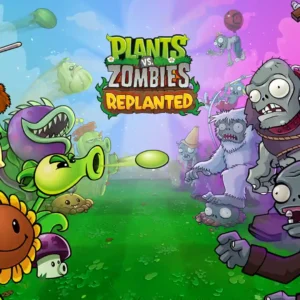
The game remains exceptionally easy to pick up, with complexity introduced gradually as new plants and zombies appear. Newcomers can understand the core loop quickly without needing deep genre knowledge.
Pros: age appropriateness, family friendliness
Cons: competitive balance, level design
The basic turn-based structure is easy to grasp, so new systems layer in without making the game difficult to understand.
Pros: controls responsiveness, world interactivity
Cons: DLC value, platform-specific feature support

The action format is easier to pick up than traditional tactical Disgaea, making it a friendlier entry point for newcomers.
Pros: bug frequency, movement feel
Cons: enemy variety, AI behavior

The learning curve had limited positive support, with one reviewer saying the mechanics initially seem complex but are actually simple.
Pros: accessibility options, protagonist appeal
Cons: frame rate stability, polish
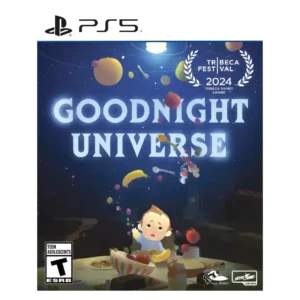
Learning curve was praised in limited evidence because the mechanics click quickly and let the storytelling stay central.
Pros: side character depth, visual effects quality
Cons: user interface design, handheld play suitability
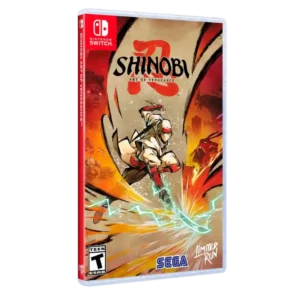
The learning curve is favorable because reviewers describe the combat as simple to engage with while still rewarding mastery.
Pros: graphics quality, environmental detail
Cons: bug frequency, dialogue quality
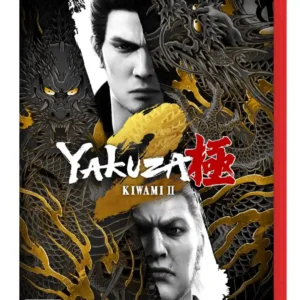
The basic combat controls are easy to grasp, while timing blocks, dodges, weapons, and Heat Actions leave room to improve. That makes the action approachable without being completely one-note.
Pros: controls responsiveness, exploration quality
Cons: QTE design, camera behavior
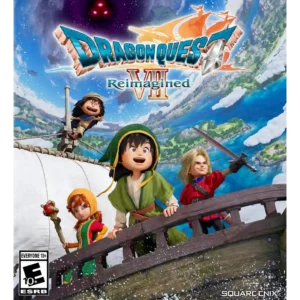
Clear systems, forgiving turn-based play, and extensive convenience options make this one of the easier Dragon Quest entries for newcomers to understand.
Pros: atmosphere, voice acting
Cons: controls responsiveness, quest design

Learning curve is generally praised as gradual and manageable, though one reviewer stresses that serious mastery can take much longer than older Dragon Ball fighters.
Pros: movement feel, world-building
Cons: save system reliability, mission variety
The game was repeatedly described as a good entry point for children, partners, and newer players, despite some motor-control challenges.
Pros: writing quality, checkpoint system
Cons: menu usability, user interface design

The learning curve was considered manageable because the game has depth but gives players practical tools to improve.
Pros: movement feel, art direction
Cons: platforming precision, writing quality
The streamlined classless progression is approachable, but the sheer number of possibilities can overwhelm newcomers. Starting slowly and engaging with a small area at a time can make the game...
Pros: gameplay mechanics, core gameplay loop
Cons: camera behavior, haptic feedback integration
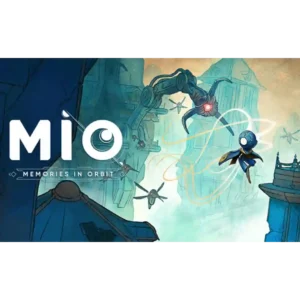
MIO is easy to understand at a basic level but asks for increasing mastery of movement, timing, and boss patterns. That gradual rise works well for players comfortable learning through...
Pros: level design, content variety
Cons: checkpoint system, lore depth
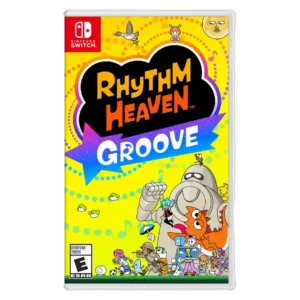
The learning curve is viewed as well staged, introducing games gradually before removing training wheels and demanding more precise timing.
Pros: couch co-op quality, accessibility options
Cons: platform-specific feature support, performance optimization
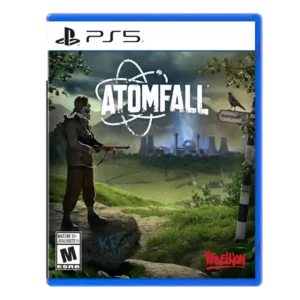
Learning curve evidence was positive, especially around the recommended Survivor setting feeling steep but satisfying.
Pros: art direction, frame rate stability
Cons: boss design, camera behavior
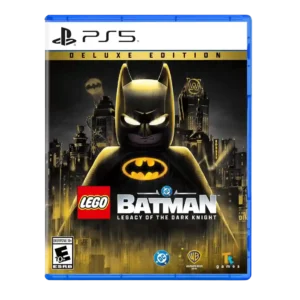
The learning curve appears gentle, with reviewers saying controls were easy to pick up and intuitive.
Pros: pacing, core gameplay loop
Cons: companion AI, map and navigation design
The combat is easy to understand but demanding to master, and many reviewers enjoy the process of learning timing and boss patterns. Some training and system explanations could be clearer.
Pros: bug frequency, crash stability
Cons: economy and resource balance, open-world design
The learning curve was considered manageable and rewarding, with mastery rather than frustration emphasized.
Pros: crash stability, HUD clarity
Cons: character development, visual effects quality

The basic rules are easy to pick up, but older systems hide important quirks around typings, stats, HMs, TMs, and progression that can surprise newcomers.
Pros: boss design, side character depth
Cons: monetization fairness, originality
The new fighting tools are generally intuitive and easy to grasp once their button combinations click, keeping the expanded combat approachable.
Pros: controls responsiveness, movement feel
Cons: casting choices, grind level
New weapons and movement abilities are introduced gradually, keeping the systems approachable without overwhelming newcomers. Experienced shooter players may find the early hours overly simple.
Pros: lore depth, user interface design
Cons: AI behavior, aiming precision
There are many controls and systems to absorb, but most become manageable after some practice and the game offers enough guidance to ease newcomers in.
Pros: level design, difficulty balance
Cons: writing quality, load times

The basics are approachable and many reviewers settle into the rhythm quickly, but true proficiency comes from learning to read holds, body position, and resource risk over many hours.
Pros: open-world design, visual effects quality
Cons: frame rate stability, user interface design
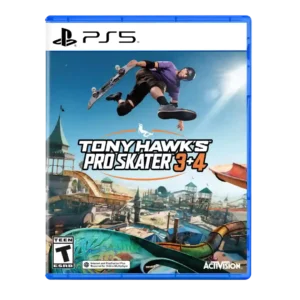
Most reviewers saw the game as approachable but still skill-heavy, with simple basics and a higher ceiling once combos, balance, and precision matter.
Pros: core gameplay loop, controls responsiveness
Cons: crash stability, cross-save support
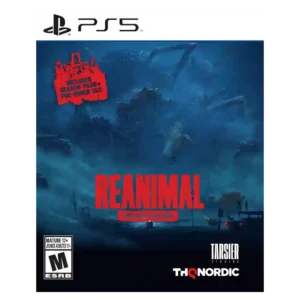
The learning curve is approachable, with reviewers noting overall simplicity and forgiving design despite horror tension.
Pros: onboarding experience, environmental detail
Cons: family friendliness, movement feel
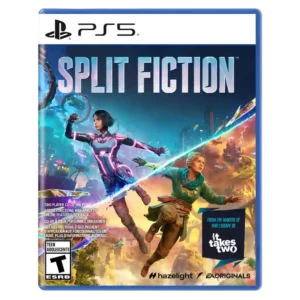
The learning curve was approachable for experienced players but could require adjustment for casual players.
Pros: puzzle design, level design
Cons: exploration quality, side character depth

The game accommodates a wide span of skill levels: newcomers can lean on support options while later challenges ramp into demanding tests. This makes the path from beginner play to...
Pros: controls responsiveness, voice acting
Cons: matchmaking quality, user interface design
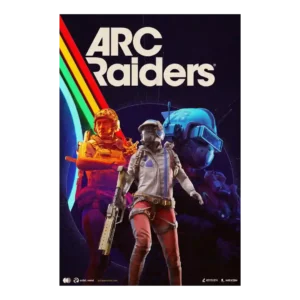
One impressions review said the game remains easier to approach despite the genre’s high skill ceiling and many systems.
Pros: frame rate stability, platform-specific feature support
Cons: voice acting, writing quality
Learning support was helped by reference and lore systems that made Eora’s terminology easier to understand.
Pros: tutorial quality, level design
Cons: stealth mechanics, endgame content
The supporting review found the vehicle controls easy to grasp quickly, reflecting a low-friction learning curve.
Pros: environmental detail, polish
Cons: camera behavior, value for money

Learning curve evidence is positive but modest, emphasizing learn-by-doing design that mirrors Atsu’s practice and attention rather than heavy explanation.
Pros: movement feel, environmental detail
Cons: puzzle design, age appropriateness

The control scheme can feel a little strange at first, but one reviewer found it quickly clicks into a smooth, enjoyable rhythm once the movement and weapon gestures become familiar.
Pros: lore depth, originality
Cons: AI behavior, character development
The learning curve was helped by flexible respecs and experimentation-friendly character building.
Pros: environmental detail, art direction
Cons: world interactivity, loot system
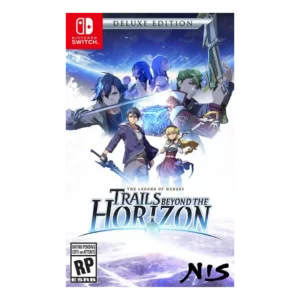
One newcomer-oriented review found the intimidating systems introduced clearly enough to avoid feeling lost.
Pros: facial animations, polish
Cons: grind level, stealth mechanics
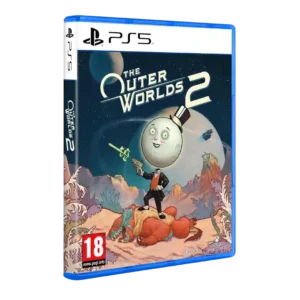
One reviewer found the broader RPG structure easy to grasp despite its added ambition.
Pros: world-building, mission design
Cons: mission variety, enemy variety
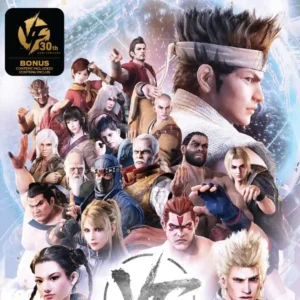
The three-button basics are approachable, but serious mastery is demanding and technical; players who invest the time generally find the learning process unusually rewarding.
Pros: onboarding experience, faithfulness to franchise
Cons: character development, achievement list quality
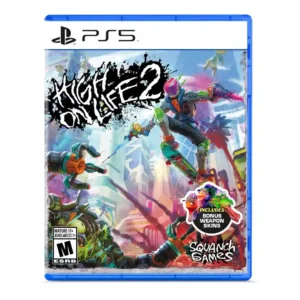
The skateboard takes a little practice, but several reviewers say it clicks quickly and becomes natural once momentum and aiming are understood together.
Pros: tutorial quality, monetization fairness
Cons: polish, HUD clarity
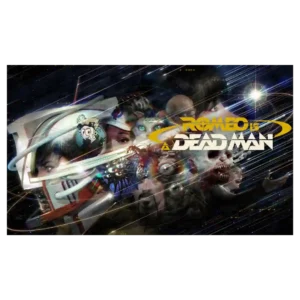
Basic combat is easy to pick up, but weapon switching, aiming, Bastard use, and higher difficulties take longer to internalize. Some reviewers enjoy that mastery curve; others find the adaptation...
Pros: world interactivity, immersion
Cons: AI behavior, handheld play suitability
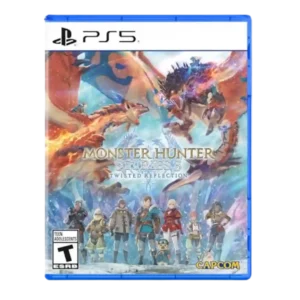
The systems are dense enough to overwhelm at first, especially for newcomers, but several players say they become intuitive once the mechanics click. Others find the game approachable because tutorials...
Pros: puzzle design, level design
Cons: crash stability, multiplayer design