Best for DC output
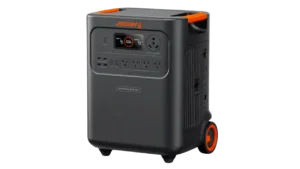
Pecron F5000LFP
5.0 feature score
Highest scored product for this feature based on supporting review evidence.

Highest scored product for this feature based on supporting review evidence.
Balances feature score, supporting reviews, and overall product strength.
Has the broadest review evidence for this feature.
Strongest overall product among items with scored evidence for this feature.
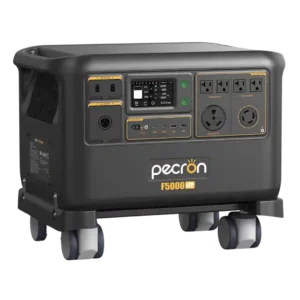
The adjustable high-power DC output is one of the most consistently praised features. Reviewers like its unusually high wattage, adjustable voltage range, strong efficiency, and usefulness for RV, off-grid, and...
Pros: power output, output stability
Cons: firmware updates, built-in light
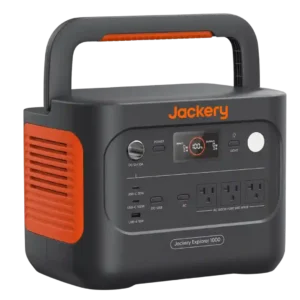
The 12-volt DC output proved reliable enough to run a portable fridge continuously during a three-month road trip.
Pros: rated output, peak output
Cons: standby power loss, specification accuracy
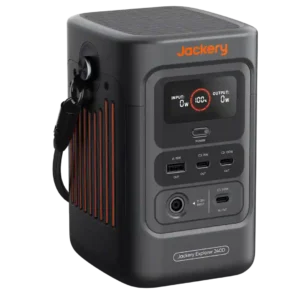
The 240D's direct-DC architecture is a strong match for USB-native gear, delivering efficient power without inverter losses. Its usefulness drops sharply for anything requiring a wall outlet.
Pros: power output, rated output
Cons: AC outlet count, repairability
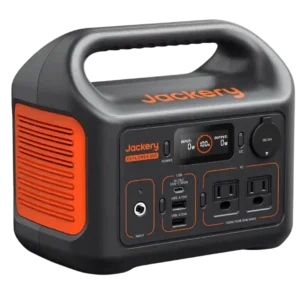
The regulated DC output impressed in testing by holding steady across battery charge levels, which helps sensitive 12V gear.
Pros: output stability, voltage regulation
Cons: battery expandability, water resistance
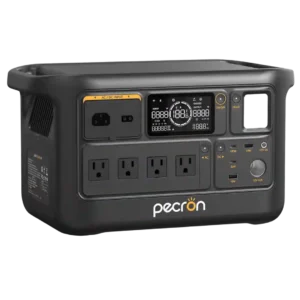
DC testing produced the expected power cleanly, making the 12V and USB side useful for direct, efficient device charging.
Pros: rated output, peak output
Cons: startup reliability, whole-home integration
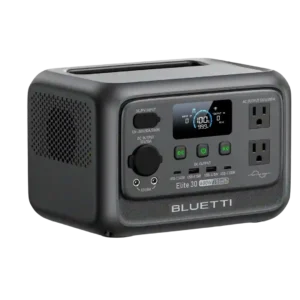
The DC section is one of the strongest parts of the design, powering fridges, lights, fans, and Starlink efficiently. Users particularly like the car socket and extra barrel connectors.
Pros: rated output, output stability
Cons: over-voltage protection, cold-weather performance
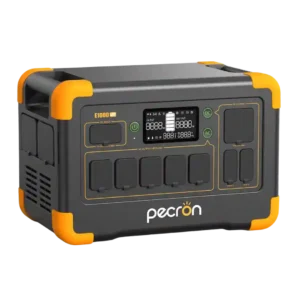
The high-current XT60 DC output is one of the E1000LFP's clearest advantages, giving vehicle, fridge, heater, and RV users much more useful 12V capability than a basic car socket.
Pros: inverter quality, LiFePO4 battery
Cons: idle noise, built-in light
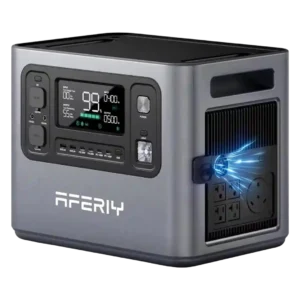
The 25A XT60 output earns strong praise for powering demanding 12V equipment and multiple camper loads without needing the AC inverter.
Pros: rated output, peak output
Cons: app connectivity, voltage regulation
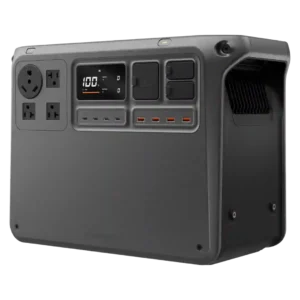
SDC ports enable excellent drone charging and flexible DC accessories, but their proprietary nature and limited count create tradeoffs.
Pros: rated output, peak output
Cons: startup reliability, full-load noise
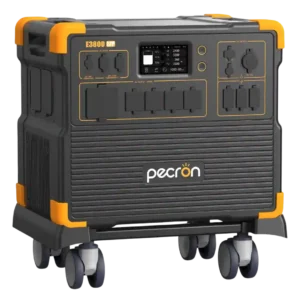
DC capability is flexible, but one test found materially lower usable capacity through the 12V path than through AC.
Pros: surge capacity, output stability
Cons: app connectivity, idle noise
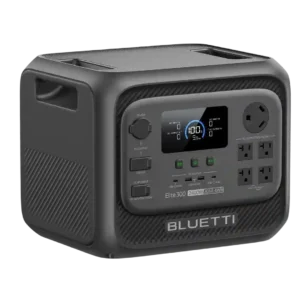
The high-current DC connections are useful, but results were not flawless. One sustained USB-C/DC test ended in an over-current shutdown, while other testers reported strong 12V performance.
Pros: surge capacity, voltage regulation
Cons: water resistance, ventilation requirements
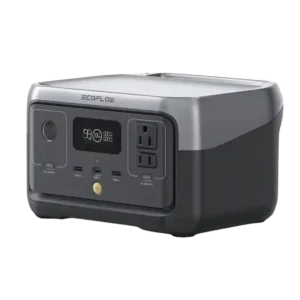
The 12V output works for coolers, pumps, and field gear, but its 8A ceiling is lower than the common 10A offered elsewhere.
Pros: surge capacity, output stability
Cons: dual-input charging, whole-home integration
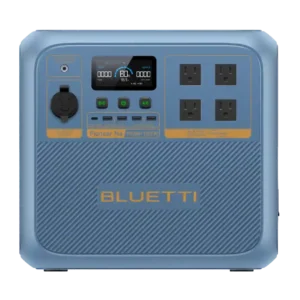
DC performance drew mixed reactions: measured usable output was respectable, but one reviewer considered the DC capability dated for a new-generation station.
Pros: pure sine wave output, startup performance
Cons: MPPT controller performance, battery expandability
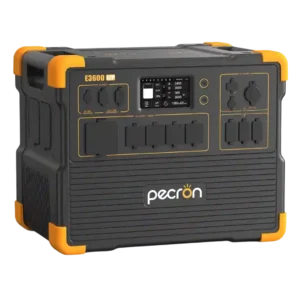
DC output coverage is broad and useful, but isolated reports of failed ports and a prototype DC-board failure raise some reliability concern.
Pros: power output, rated output
Cons: output stability, voltage regulation
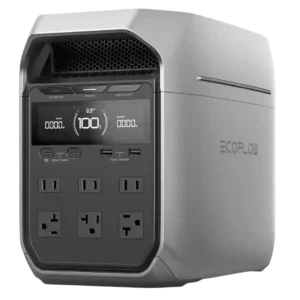
The DC section is useful for basic accessories, but the lack of a higher-power 150W output can be limiting for devices such as diesel heaters.
Pros: rated output, peak output
Cons: 30-amp output, parallel operation support
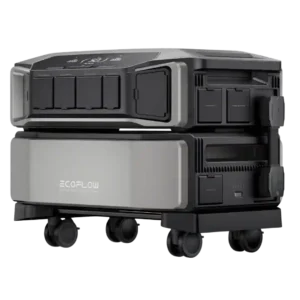
The regulated DC output is useful, but one test could sustain only about 225W for long periods, well below the nominal maximum, which limits confidence for heavier DC loads.
Pros: power quality, simultaneous device support
Cons: battery percentage accuracy, firmware updates
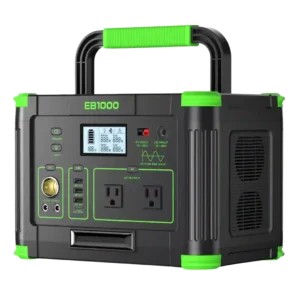
The shared 10A DC output can be limiting for pumps and other 12V devices with higher startup or running demands.
Pros: rated output, output stability
Cons: battery expandability, startup reliability
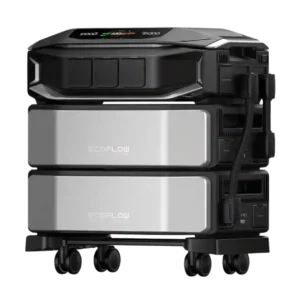
Direct DC connectivity is a weak point because the Ultra X removes the USB and other small-device DC options found on the earlier model. That simplification fits home backup, but...
Pros: output stability, voltage regulation
Cons: solar cable compatibility, UPS functionality
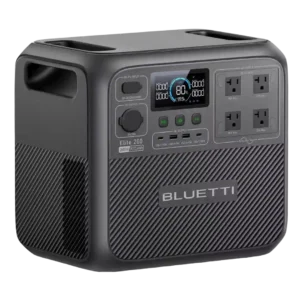
The sparse DC side is a weak point: reviewers wanted higher-current options beyond the single 12V car socket.
Pros: output stability, pure sine wave output
Cons: specification accuracy, startup reliability
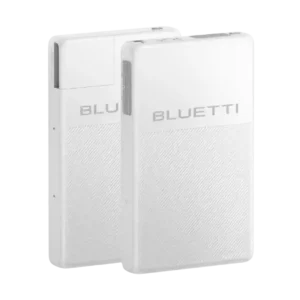
There is no 12V socket or useful DC output on the main unit. That is reasonable for a fridge UPS but a major limitation for camping and general power-station use.
Pros: power output, rated output
Cons: USB-A ports, 12-volt outlet
The lack of native 12V DC output is a serious limitation for users with DC fridges and other 12V accessories.
Pros: output stability, voltage regulation
Cons: DC output, 12-volt outlet