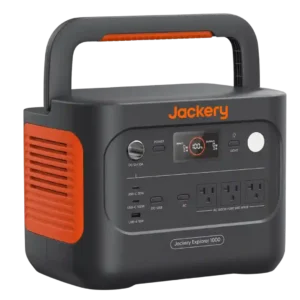
The 12-volt DC output proved reliable enough to run a portable fridge continuously during a three-month road trip.
Pros: rated output, peak output
Cons: standby power loss, specification accuracy

The 12-volt DC output proved reliable enough to run a portable fridge continuously during a three-month road trip.
Pros: rated output, peak output
Cons: standby power loss, specification accuracy
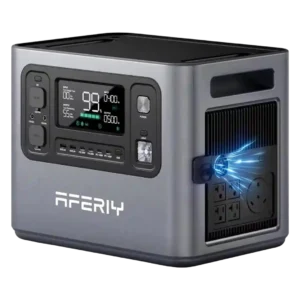
The 25A XT60 output earns strong praise for powering demanding 12V equipment and multiple camper loads without needing the AC inverter.
Pros: rated output, peak output
Cons: app connectivity, voltage regulation
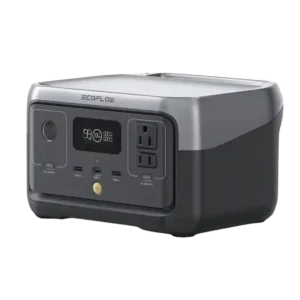
The 12V output works for coolers, pumps, and field gear, but its 8A ceiling is lower than the common 10A offered elsewhere.
Pros: surge capacity, output stability
Cons: dual-input charging, whole-home integration
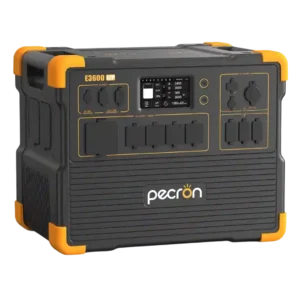
DC output coverage is broad and useful, but isolated reports of failed ports and a prototype DC-board failure raise some reliability concern.
Pros: power output, rated output
Cons: output stability, voltage regulation
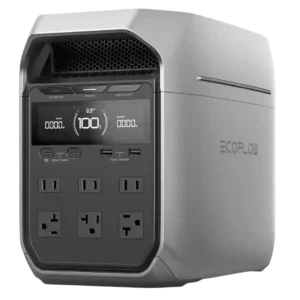
The DC section is useful for basic accessories, but the lack of a higher-power 150W output can be limiting for devices such as diesel heaters.
Pros: rated output, peak output
Cons: 30-amp output, parallel operation support
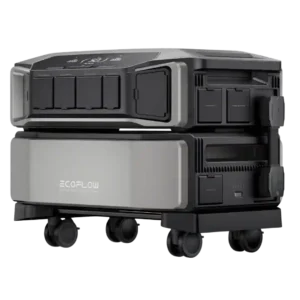
The regulated DC output is useful, but one test could sustain only about 225W for long periods, well below the nominal maximum, which limits confidence for heavier DC loads.
Pros: power quality, simultaneous device support
Cons: battery percentage accuracy, firmware updates
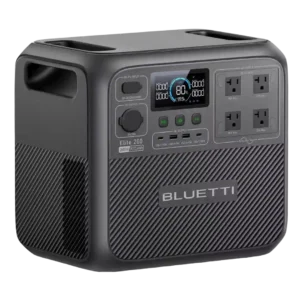
The sparse DC side is a weak point: reviewers wanted higher-current options beyond the single 12V car socket.
Pros: output stability, pure sine wave output
Cons: specification accuracy, startup reliability