#1
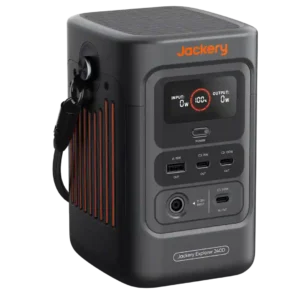
The 240D's direct-DC architecture is a strong match for USB-native gear, delivering efficient power without inverter losses. Its usefulness drops sharply for anything requiring a wall outlet.
Pros: power output, rated output
Cons: AC outlet count, repairability
#2
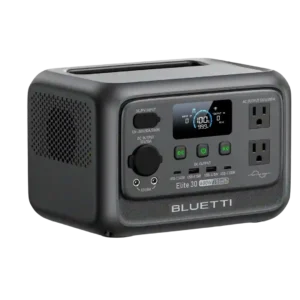
The DC section is one of the strongest parts of the design, powering fridges, lights, fans, and Starlink efficiently. Users particularly like the car socket and extra barrel connectors.
Pros: rated output, output stability
Cons: over-voltage protection, cold-weather performance
#3
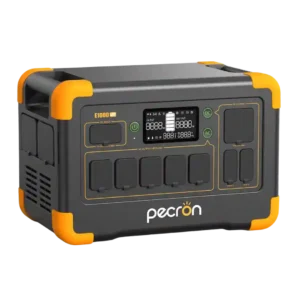
The high-current XT60 DC output is one of the E1000LFP's clearest advantages, giving vehicle, fridge, heater, and RV users much more useful 12V capability than a basic car socket.
Pros: inverter quality, LiFePO4 battery
Cons: idle noise, built-in light
#4
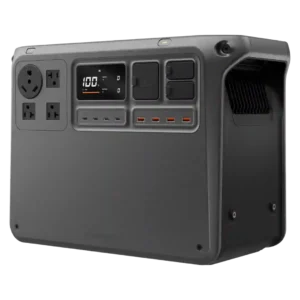
SDC ports enable excellent drone charging and flexible DC accessories, but their proprietary nature and limited count create tradeoffs.
Pros: rated output, peak output
Cons: startup reliability, full-load noise
#5
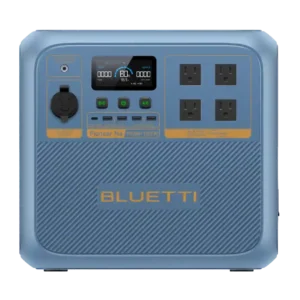
DC performance drew mixed reactions: measured usable output was respectable, but one reviewer considered the DC capability dated for a new-generation station.
Pros: pure sine wave output, startup performance
Cons: MPPT controller performance, battery expandability
#6
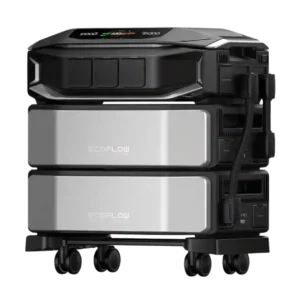
Direct DC connectivity is a weak point because the Ultra X removes the USB and other small-device DC options found on the earlier model. That simplification fits home backup, but...
Pros: output stability, voltage regulation
Cons: solar cable compatibility, UPS functionality
#7
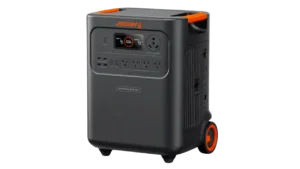
The lack of native 12V DC output is a serious limitation for users with DC fridges and other 12V accessories.
Pros: output stability, voltage regulation
Cons: DC output, 12-volt outlet
