Best for co-op experience
Elden Ring: Tarnished Edition
5.0 feature score
Highest scored product for this feature based on supporting review evidence.

Highest scored product for this feature based on supporting review evidence.
Balances feature score, supporting reviews, and overall product strength.
Has the broadest review evidence for this feature.
Strongest overall product among items with scored evidence for this feature.

The one reviewer who directly tested co-op reported smooth back-and-forth summoning and found fighting bosses with a friend highly enjoyable.
Pros: gameplay mechanics, core gameplay loop
Cons: platforming precision, tutorial quality

Local team play can be excellent; the mystery-superstar sofa session in particular turned into a standout shared experience.
Pros: lore depth, co-op experience
Cons: economy and resource balance, tutorial quality
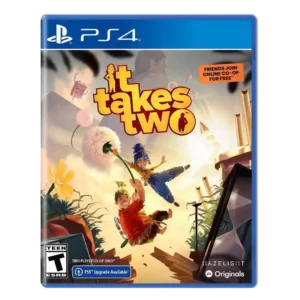
Co-op experience is the clearest strength, with every review praising how essential, joyful, collaborative, or unusually strong the cooperative play feels.
Pros: core gameplay loop, movement feel
Cons: character development, dialogue quality
Co-op is one of Valheim's biggest strengths, turning resource work, exploration, disasters, and boss preparation into memorable shared stories.
Pros: core gameplay loop, movement feel
Cons: economy and resource balance, map and navigation design
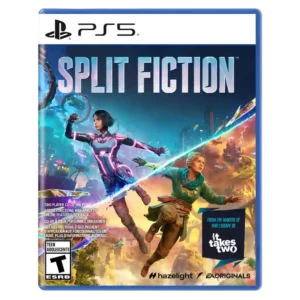
Co-op experience was the strongest consensus point, repeatedly described as excellent, accessible, communicative, and central to the fun.
Pros: puzzle design, level design
Cons: exploration quality, side character depth
Co-op was repeatedly praised as a major strength, especially with friends or impromptu allies, though team play also makes raids more aggressive.
Pros: frame rate stability, platform-specific feature support
Cons: voice acting, writing quality
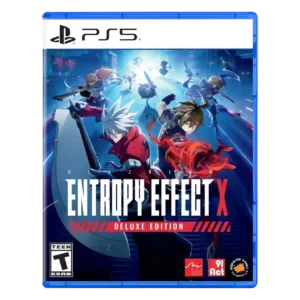
Co-op impressions are positive when tested, with online/local play described as working well and creating a balanced trade-off.
Pros: movement feel, skill tree depth
Cons: menu usability, HUD clarity

The game is at its best with friends: coordination, proximity chat, rescues, and improvised chaos create many of its most memorable moments.
Pros: world interactivity, world-building
Cons: dialogue quality, aiming precision
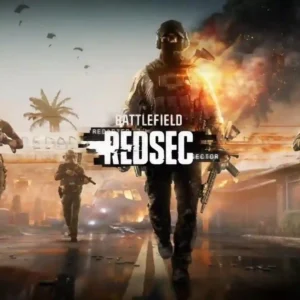
REDSEC is at its best with coordinated friends. Team planning, revives, class synergy, and shared panic make squad play one of the strongest reasons to choose it.
Pros: controls responsiveness, sandbox freedom
Cons: frame rate stability, user interface design
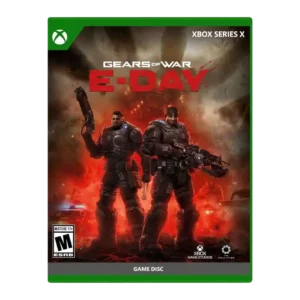
Co-op evidence is positive around Horde Siege as a large social PvE experience.
Pros: emotional impact, art direction
Cons: value for money, platform-specific feature support
Four-player co-op is one of the better extras, letting friends coordinate routes and run a company together; disconnects and crashes can still get in the way.
Pros: level design, difficulty balance
Cons: writing quality, load times
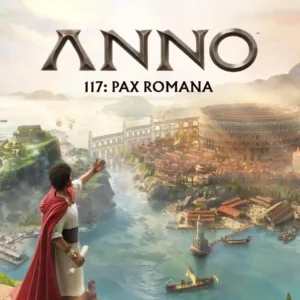
Sharing cities, resources, research, and workload makes co-op a natural fit for Anno 117’s sprawling management demands.
Pros: skill tree depth, upgrade system
Cons: matchmaking quality, server reliability
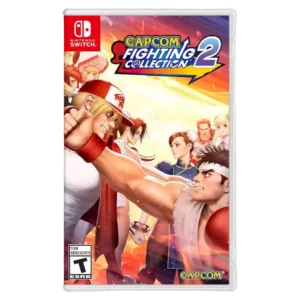
Co-op earns positive notes from Power Stone 2’s cooperative arcade mode and boss fights.
Pros: emotional impact, sound design
Cons: cross-play support, boss design
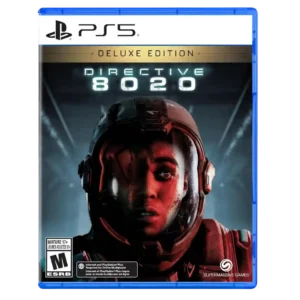
Co-op was praised as a fun group experience, both for command-shouting play and improved Movie Night support.
Pros: user interface design, graphics quality
Cons: combat system, animation quality

Co-op experience was framed as a light helper-style mode, strongest for a parent and child rather than equal adult play.
Pros: gameplay mechanics, world interactivity
Cons: economy and resource balance, enemy variety
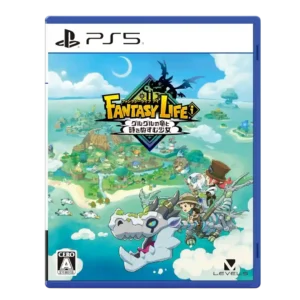
One co-op-focused reviewer strongly enjoys the co-op despite missing story progression.
Pros: load times, crash stability
Cons: originality, voice acting

One reviewer highlights the game's co-op capability as a meaningful way to share battles with other players.
Pros: gameplay mechanics, world-building
Cons: AI behavior, platform-specific feature support
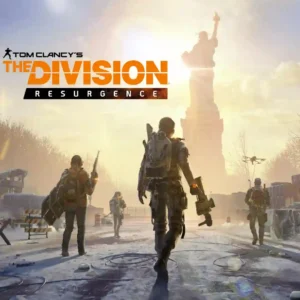
Shared-world encounters and easy drop-in teaming make cooperation one of the strongest parts of the game, especially for harder activities.
Pros: exploration quality, sandbox freedom
Cons: mission variety, companion AI
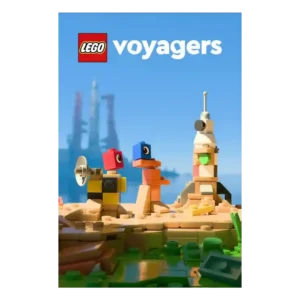
Co-op was the central strength overall, with reviewers praising teamwork, shared problem-solving, Friend Pass access, and two-player bonding.
Pros: writing quality, checkpoint system
Cons: menu usability, user interface design
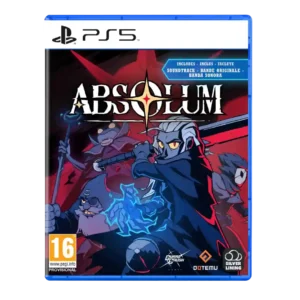
Co-op was usually praised as fun and easy to access, though reviewers wanted more than two players and noted balance limits.
Pros: mission design, world interactivity
Cons: quest design, endgame content
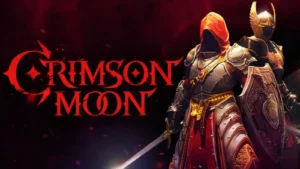
Two-player co-op is widely viewed as one of the game’s best fits, adding energy, shared decision-making, and more fun to repeated runs. Technical issues can still get in the way.
Pros: movement feel, pacing
Cons: economy and resource balance, onboarding experience
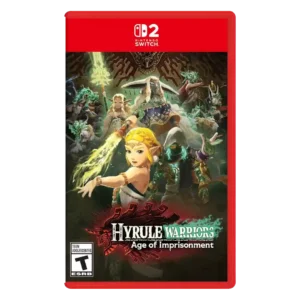
Co-op was viewed positively overall, with split-screen and two-player play considered smooth or valid despite 30 fps and pauses.
Pros: animation quality, multiplayer design
Cons: save system reliability, companion AI
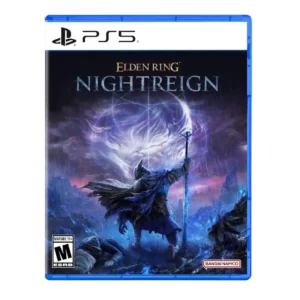
Co-op experience was the clearest strength when played with friends, but reviewers repeatedly warned that it declines with randoms or solo play.
Pros: emotional impact, visual effects quality
Cons: crash stability, cross-play support
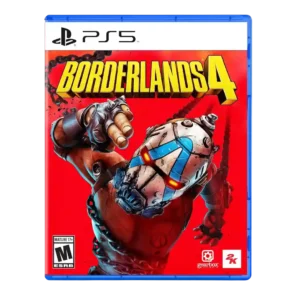
Co-op experience is generally praised as fun and central, though one review warns that bugs and progression issues can undermine group play.
Pros: sandbox freedom, art direction
Cons: polish, save system reliability

Marathon is at its best with a coordinated group that communicates and combines shell abilities. Friends make risky gear choices and intense fights more manageable, while silent random squads can...
Pros: world interactivity, voice acting
Cons: menu usability, HUD clarity
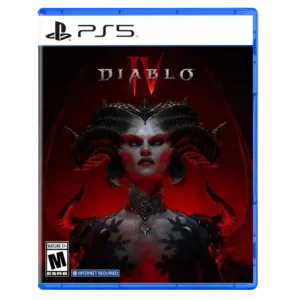
Co-op evidence was positive, with reviewers praising group formation, level scaling, and the extra fun of playing with others.
Pros: lore depth, art direction
Cons: mission variety, protagonist appeal
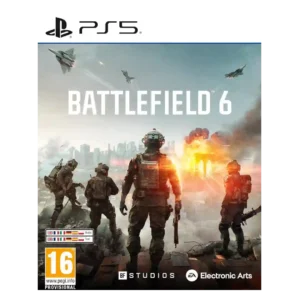
co-op and squad play were praised when teams communicated, revived, and coordinated roles.
Pros: haptic feedback integration, performance optimization
Cons: pacing, microtransaction impact
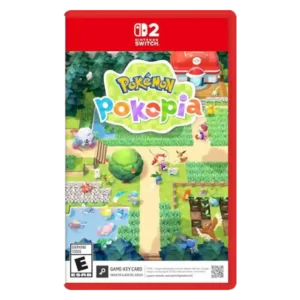
Co-op impressions were positive overall, especially GameShare and relaxed building, though some review evidence came from previews or limited sessions.
Pros: protagonist appeal, faithfulness to franchise
Cons: map and navigation design, aiming precision
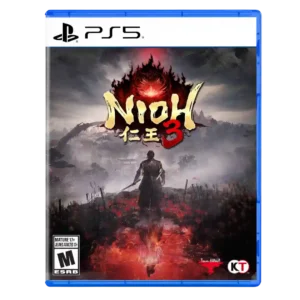
Co-op was generally praised as smooth, strong, and helpful, with only some stability caveats.
Pros: pacing, visual effects quality
Cons: tutorial quality, character roster

Co-op experience is mostly positive through Horizon Arcade and Tours, though one reviewer found longer co-op events can become a slog.
Pros: controls responsiveness, movement feel
Cons: tutorial quality, animation quality

Cooperation is the heart of the game: asymmetric roles, shared problem-solving, and constant coordination make it especially rewarding with a compatible partner.
Pros: online stability, world-building
Cons: crash stability, camera behavior
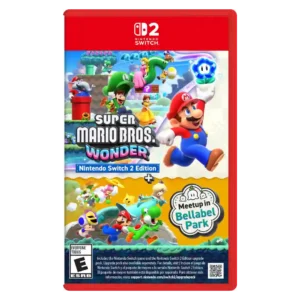
Co-op is frequently described as the strongest part of Bellabel Park, especially challenges built around communication, shared counting, platform placement, and coordinated movement. It can get chaotic, but that chaos...
Pros: controls responsiveness, voice acting
Cons: matchmaking quality, user interface design

Co-op is strongly discussed and mixed-positive: many value local and online play, but some say it can dilute tension or lacks deep mechanics.
Pros: onboarding experience, environmental detail
Cons: family friendliness, movement feel

Local co-op is broadly fun and often one of the best ways to play, especially for families. Its main drawback is that some levels and bosses feel designed around solo...
Pros: monetization fairness, handheld play suitability
Cons: economy and resource balance, enemy variety
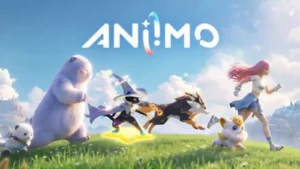
Co-op can be excellent when content makes players genuinely cooperate, but story progression does not carry cleanly with friends and remains a major frustration.
Pros: level design, replay value
Cons: competitive balance, battle pass value
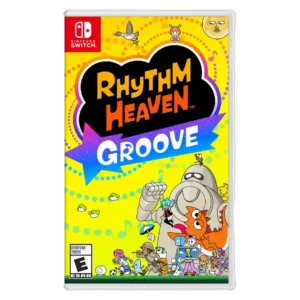
Co-op is generally well liked for adding camaraderie, elaborate team patterns, and shared challenge, even when it is described as less chaotic than competitive play.
Pros: couch co-op quality, accessibility options
Cons: platform-specific feature support, performance optimization
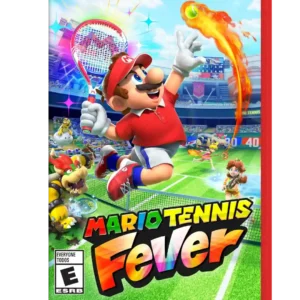
Doubles can be genuinely satisfying when partners coordinate positioning, lobs, and net play. Local co-op is especially strong, while online cooperative options are somewhat more constrained.
Pros: facial animations, load times
Cons: exploration quality, puzzle design
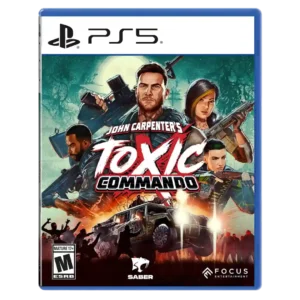
Co-op is the game at its best. Coordinating classes, vehicles, defenses, and huge hordes with friends repeatedly turns the straightforward shooting into memorable chaotic teamwork.
Pros: gameplay mechanics, boss design
Cons: age appropriateness, family friendliness
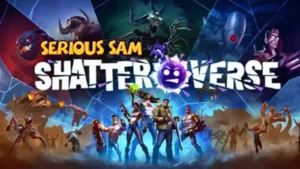
Co-op is one of the clearest strengths, especially with a full group combining ultimates and sharing the chaos. Matchmaking, scaling, and solo balance can still make it hard to reach...
Pros: skill tree depth, learning curve
Cons: aiming precision, pacing

Running Mate co-op is a welcome addition and can make MyCareer more enjoyable with a friend. The second player’s limited customization keeps it from feeling like a fully shared career.
Pros: crash stability, sandbox freedom
Cons: battle pass value, monetization fairness

Local battle multiplayer is welcomed as a useful extra, though it is described as serviceable rather than essential.
Pros: crafting system, content variety
Cons: monetization fairness, endgame content
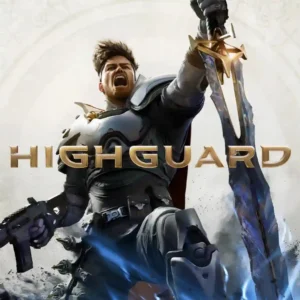
Highguard is at its best with coordinated friends. Team communication elevates the raids, while solo play can become frustrating or miserable.
Pros: controls responsiveness, level design
Cons: world interactivity, dialogue quality
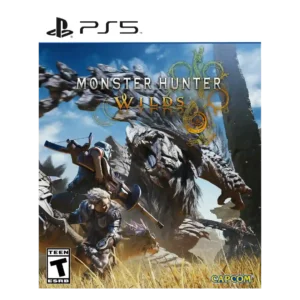
Co-op was enjoyable overall, but reviewers noted story restrictions, unclear early setup, and uneven friction around playing together.
Pros: art direction, cross-play support
Cons: dialogue quality, monetization fairness
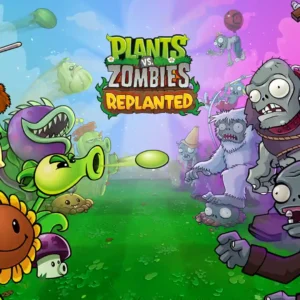
Co-op is one of the most consistently praised additions, turning familiar stages into a more social strategy game. Communication and shared resources are fun, though several reviewers ran into bugs...
Pros: age appropriateness, family friendliness
Cons: competitive balance, level design

Playing together is a strong fit for the game, especially for families, but local co-op is held back by restrictions such as the lack of open-world roaming in some modes.
Pros: haptic feedback integration, sound design
Cons: core gameplay loop, soundtrack quality

Co-op can be hilarious and exciting with friends, especially when the gunplay and big encounters click. Solo play exposes the downside of the co-op-first design, including missing squad support and...
Pros: soundtrack quality, load times
Cons: character development, monetization fairness
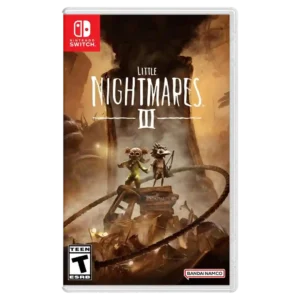
Co-op experience was heavily discussed and mixed: several reviewers enjoyed shared puzzle tension, but many felt co-op was underused, burdensome, or tension-draining.
Pros: load times, haptic feedback integration
Cons: save system reliability, aiming precision
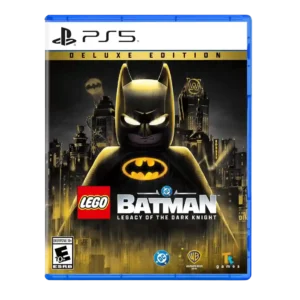
Co-op has mixed evidence: local co-op is treated as fun, but the absence of online co-op stings for modern play.
Pros: pacing, core gameplay loop
Cons: companion AI, map and navigation design
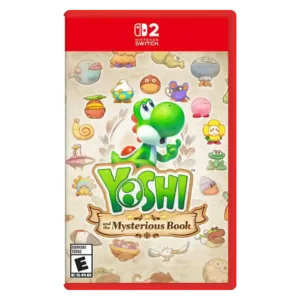
The complete absence of co-op was a recurring disappointment, especially for families who enjoyed earlier Yoshi games together. One reviewer appreciated the focused single-player design, but the broader response favored...
Pros: platforming precision, protagonist appeal
Cons: pacing, co-op experience

There is no co-op experience to judge directly, and one player specifically wishes a friend could join because the world is so rich to explore.
Pros: world interactivity, sandbox freedom
Cons: character diversity, character development