
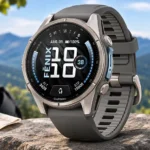
Garmin Fenix 9 Feature Scores
Explore all 75 feature scores for Garmin Fenix 9, organized into pros and cons.
Scores by Feature
Summary
75 reviewed features-
Very positive 4.5-5.024 (32%)
-
Positive 3.5-4.434 (45%)
-
Neutral 2.5-3.415 (20%)
-
Negative 1.5-2.42 (3%)
Pros
Sort
-
Long runtime is a central strength, especially on Solar models in favorable light. AMOLED still lasts several active days, but display settings, LTE use, case size, and individual configuration make a large difference.
-
Extensive sport profiles and detailed training tools are major reasons to buy. Indoor rowing gains substantial depth, although native mixed-session tracking still disappoints a serious Hyrox user.
-
Land GPS is consistently praised for precise routes in cities, on trails, and through mountain switchbacks. One simultaneous open-water test produces sharply different results between wrists.
-
The wrist flashlight is repeatedly praised for household tasks, hotel rooms, and finding items after dark. The extra green LED is less essential, and fast trail running still calls for a headlamp.
-
AMOLED is widely praised for legibility in intense sunlight and at angles. A Solar tester strongly favors MIP readability, while another comparison reports a clearer Forerunner screen.
-
Wrist heart rate usually tracks chest straps closely during running, rowing, and cycling. Brief lag still matters during rapid effort changes, and the strongest results come from warm-weather testing.
-
Detailed routable offline maps remain a standout advantage, with faster panning and useful perspective views. They can still feel clunky, and the speed gain alone rarely transforms the upgrade decision.
-
Three sizes provide a valuable choice between a smaller fit and longer runtime. Adding a 43mm Pro matters particularly for smaller wrists, while Solar remains limited to larger cases.
-
Optional inReach and LTE tracking offer valued reassurance for solo outings. Satellite constraints and fragmented tracking workflows mean the watch is better regarded as a backup than a substitute for every dedicated communicator.
-
AMOLED provides vivid detail and a useful larger map canvas on the biggest Pro. Solar/MIP trades that richness for endurance, and one Forerunner comparison finds the Fenix harder to read.
-
Turn guidance, next-fork information, and climbing context are consistently useful on trails. Off-route alerts can be delayed in some tests even when overall course following is accurate.
-
Training Readiness and Body Battery turn activity and recovery data into useful guidance. Their adaptable view of fatigue is a recurring strength, even when athletes choose to train against the advice.
-
Most sources welcome the brighter AMOLED screens, particularly outdoors. Others see only a small practical gain or prefer the competing Forerunner display.
-
Workout suggestions, race planning, and quick strength sessions help structure training. Coaching tends to be conservative, and the Sleep Coach receives much weaker approval.
-
Epic brings multi-day activities, photos, and health trends into a more coherent trip or training story. It is appealing and often useful, but mixed activities expose bugs that need refinement.
-
Titanium earns approval for its premium finish and strength relative to weight, especially on Pro models. Sapphire is less universally welcomed because of its effect on MIP visibility.
-
Offline music is a clear strength for long outings without a phone. Extra capacity appeals most to people carrying large playlists; smaller libraries gain less from the expansion.
-
Stamina curves and zones help estimate sustainable pace and understand endurance trends. Some athletes welcome the added context, while others see another set of zones they are unlikely to use.
-
Buttons, glances, faces, text size, and activity screens offer substantial personalization. Several testers find the flexibility manageable rather than excessively complicated.
-
Body Battery, the Morning Report, and health snapshots make daily statistics easier to act on. The strongest praise goes to understanding energy and changes from normal rather than simply collecting more numbers.
-
QuickFit straps are easy to remove and replace, with broad compatible choices. A third-party Fenix 8 strap fits successfully in one hands-on check.
-
Pro inReach satellite contact provides reassuring backup for remote outings and useful weather access. Manual arm positioning, limited coverage, slow interaction, and subscription costs make frequent communication less convenient than on a dedicated device.
-
Voice commands earn strong praise for speed and hands-free convenience. Starting a timer or controlling the watch without interrupting a run feels especially useful.
-
The rugged round shape and natural titanium finish attract praise, with color and band combinations changing the look substantially. Restricted Solar colors and oversized proportions do not suit everyone.
-
Running pace, distance, and training estimates generally perform well. Very short intervals and mixed hybrid sessions expose limits that matter more than small differences in ordinary steady workouts.
-
Extra storage is useful for multiple map regions and large offline music libraries. People who manage a few routes at a time may gain little from the additional space.
-
Sapphire and the rugged case inspire confidence in scratch and impact protection. Much of the praise concerns construction and expected resilience rather than years of wear testing.
-
ComfortFit nylon is praised for material quality and adjustment, while the silicone straps feel soft and well textured. Nylon retains water long enough to leave a damp mark after swimming or showering.
-
Elevation measurements are consistently accurate in the highlighted hikes and rides. Four units finish a ten-hour hike within a meter of each other.
-
Garmin Connect earns praise for deep training trends and consolidated adventures. Opinions on its general polish are less enthusiastic, and on-watch Epic bugs complicate the experience.
-
Grouping field tools makes frequently related functions easier to find. This reduces menu hunting for compass, altitude, and reference tools.
-
Voice notes and message transcriptions are useful conveniences. Turning a received recording into readable text makes quick communication easier.
-
The revised AMOLED watch-face picker makes selection and editing easier. Its benefits are about convenience and organization rather than a new tracking capability.
-
Activity data screens are easy to change, and configurable grade-adjusted pace targets help hill-focused training. The flexibility is useful when tailoring the watch to a specific workout.
-
Android and iPhone support gives the watch useful flexibility. Claims of parity vary, with the detailed notification account describing more interaction options on Android.
-
The five-button layout is efficient during activity and offers welcome tactile control. Accidental presses and noticeable start/stop or lap delay are meaningful complaints.
-
Map zooming and top-level navigation often feel smoother, but the base model does not impress everyone. Start/stop delays and occasional crashes prevent a consistently polished experience.
-
The 43mm and 47mm options help different wrists find a better balance. The heavier 47mm can still feel bulky, and the smaller case may require a longer strap on a larger wrist.
-
Comfort depends heavily on case size and strap choice. The 43mm model and adjustable nylon straps earn praise, while larger cases can press into the wrist during sleep.
-
Headphone audio works smoothly once paired. Manual setup is less automatic than Apple’s ecosystem, but subsequent use is straightforward.
-
Rowing values follow the equipment display closely, and bigger models make workout figures physically larger. A larger screen helps glanceability without necessarily adding more information.
-
Setup, customization, and manual ECG recording can be remarkably straightforward. Bulk and less convenient everyday interaction still make the watch feel harder to use for some wearers.
-
Solar top-ups make charging much less frequent for an active outdoor tester. The convenience comes from reduced charging demand rather than a newly improved cable or dock.
-
Moving audio between the watch and headphones is described as simple and seamless. Convenient playback makes the expanded offline music library more useful.
-
Manual ECG recording is simple and reassuring for a tester who shares results with a cardiologist. The lack of passive Afib detection limits its appeal beside competing health watches.
-
The face editor and quicker widget access improve daily navigation. Round-screen text constraints and little extra content on larger models remain limitations.
-
The dedicated sleep display prevents an AMOLED screen from being unpleasantly bright at night. That restraint makes automatic nighttime behavior more comfortable.
-
The rugged case and raised bezel give the watch a convincing outdoor build. The protective shape is a particular design strength.
-
The initial phone pairing finds the watch immediately and connects successfully. This is a favorable setup impression rather than a long-term connection test.
-
The sealed construction is judged suitable for diving use. This approval concerns water protection rather than a detailed comparison of dive-computer functions.
-
Compatible power-broadcasting rowers unlock deeper training metrics without requiring one particular equipment brand. Some advanced running measures still require buying a separate Garmin chest strap.
-
Everyday conveniences complement the sport tools, but smartwatch interaction remains comparatively basic. Buyers prioritizing deep messaging and ecosystem integration may prefer a more interactive platform.
-
Pulse Ox is a valued part of the health toolkit for one tester. Its usefulness receives praise without a separate validation of oxygen-reading accuracy.
-
Map manipulation responds more quickly when changing direction. Rapid movement can still reveal a little delay.
-
Button presses provide pleasing haptic feedback in the initial hands-on test. Notification vibration strength is not separately evaluated.
-
Moving between the watch face and widgets feels quicker. Deeper widget interaction changes less, so the core software improvement is incremental.
-
A quick health snapshot is useful when something seems unusual. Missing stress and endurance views can make the on-watch detail frustratingly incomplete.
-
Setting up popular services such as Spotify and Strava can be straightforward. The wider third-party selection remains less capable than Apple’s for people seeking an app-rich smartwatch.
Cons
Sort
-
Garmin Express problems on Mac interfere with map updates. Slow Wi-Fi downloads leave an awkward workaround for affected users.
-
Downloading a new map region over Wi-Fi can take hours. It is an inconvenient fallback when desktop map updates fail.
-
Microphone and call audio are functional rather than impressive. Brief updates are more comfortable than extended conversations.
-
Call output is adequate for a short exchange but receives little enthusiasm. The tiny speaker suits quick contact better than a lengthy conversation.
-
Pack-weight calorie breakdowns are a useful idea, but tested rucking results raise doubts. A zero live calorie display and unexpectedly small added-load estimate undermine confidence.
-
Connect IQ provides useful extras but feels basic beside Apple’s app ecosystem. Separate Garmin communication platforms also fail to integrate as neatly as expected.
-
Core recording often works well, but crashes, missing statistics, Epic bugs, and hybrid-session problems recur. Reports range from generally stable to insufficiently polished for the price.
-
Notifications cover the basics, with richer responses and image support depending on the phone platform. Bigger watch sizes do not necessarily show extra lines of message text.
-
Health sensing largely carries over from the previous generation. Buyers seeking a major improvement in tracking precision have little reason to upgrade on that basis alone.
-
A crashed workout can be resumed after restarting. The intervening time is lost, so recovery does not fully preserve the session.
-
Value depends on using the advanced training, navigation, or optional safety tools. High prices and discounted Fenix 8 alternatives make the base-model upgrade especially hard to justify.
-
Shared software and backporting are welcomed as a better support direction. Current Garmin Express map-update failures on Mac show that practical software support still needs work.
-
Stress tracking feels convincing to one tester, while another encounters a missing stress score after weeks of wear. Access to the reading is less consistent than the underlying concept promises.
-
Wrist calls are convenient when a phone is tucked away, but LTE calling has Garmin Messenger requirements. Audio is adequate for quick exchanges rather than long conversations.
-
Pro inReach LTE is most compelling for live tracking during phone-free runs. Garmin Messenger requirements, separate communication workflows, and less seamless setup limit its everyday appeal.
-
Garmin Pay is easy to set up in one test. Its narrower bank support is a practical disadvantage beside Apple Pay.
-
Sleep onset and waking times can agree well with other wearables, but nighttime wakefulness is sometimes missed. Sleep-stage precision remains a weaker point than the broader recovery analysis.
Use Cases
Best for
Sort
-
Deep training metrics and broad sport support suit committed multisport athletes. The case is strongest when the wearer will actively use the analytics, routing, and endurance rather than just basic tracking.
-
Accurate land GPS, strong heart rate tracking, and detailed training tools make running a natural fit. Trail runners gain useful climbing context and optional phone-free tracking, with some button-lag complaints.
-
Routable maps, accurate fork guidance, ClimbPro, and long runtime make hiking a strong use case. Optional satellite tools add reassurance, but their cost and limitations matter most on remote trips.
-
Dedicated zones, fitness estimates, and Training Status integration make indoor rowing substantially more useful. Rowers and testers welcome the extra depth, especially with compatible power-broadcasting equipment.
-
Offline music and Pro inReach live tracking make leaving the phone behind practical for some runners. Communication requires the appropriate variant, while satellite use remains a deliberate stop-and-send process.
-
Mountain switchbacks and gravel rides produce strong positioning and pulse results. Improved maps are useful on the bike, with offline rerouting adding depth beyond a static map.
-
The new 43mm Pro brings advanced tracking and optional communication to wrists poorly served by the previous Pro. Multiple case sizes make fit a real choice rather than an unavoidable feature compromise.
-
Long GPS endurance, trail tools, and optional inReach make the watch appealing for very long races. Solar is particularly compelling when runtime matters more than a colorful display.
-
Several articles favor moving from Fenix 7 or older for the newer display, maps, and platform. One comparison argues that even older owners should wait unless they need specific new capabilities.
-
Some articles recommend the current generation as the most capable starting point. Other advice favors a discounted Fenix 8 even for first-time Garmin buyers because so much of the experience overlaps.
-
Quick Workout helps generate a strength session when a plan is missing, and the smaller case interferes less with movement. Buyers seeking a new heart rate sensor advantage for lifting will not find one here.
-
Regional map storage and acclimation tools are useful for travel. Downloading new map regions can still be slow, especially when Mac update problems force a Wi-Fi workaround.
-
Responsive pace tracking and accessible buttons can work well during intervals. Very short repeats expose optical-sensor lag, and this generation does not promise a new sensor solution.
-
Depth information and sealed construction suit casual underwater exploration and recreational diving. One tester finds automatic depth triggering over-eager when simply jumping into a pool.
-
The newer shared software platform and backports offer encouraging signs for continued usefulness. A full new-watch lifespan and warranty can appeal, although future update longevity remains uncertain.
-
Dedicated archery tracking is presented as a meaningful advance for serious archers. Its sport-specific approach is more appealing than treating a session as a generic activity.
-
The pin pointer helps locate the green and line up shots when the target is hard to see. That practical benefit is more meaningful than simply adding another golf setting.
-
The 43mm model feels less bulky during gym movement. Its comfort advantage is the main reason to choose it for these workouts.
-
Walking distances closely match the comparison watch during simultaneous outings. The Garmin remains dependable in the highlighted walk where the other watch falls farther behind.
-
Long endurance is appealing for triathlon and Ironman events. Noticeable delay when switching disciplines can make transitions less satisfying to track.
-
Extensively configurable data screens appeal to people who enjoy digging into metrics. The depth is most useful when the wearer wants that complexity rather than a simple activity display.
Conditional or not ideal for
Sort
-
Budget-conscious buyersThis is a difficult purchase for budget-conscious buyers. Discounted Fenix 8 models and cheaper Forerunners repeatedly emerge as more economical ways to obtain much of the capability.
-
Upgrading from Fenix 8Most upgrade advice is cautious or negative because the sensors and much of the software remain similar. Faster maps, a preferred size, or particular Pro hardware can justify the move for selected owners.
-
Hybrid fitness racingNative mixed-session tracking is not yet dependable enough for a serious Hyrox user. Inaccurate tracking and fiddly operation favor keeping an established setup for now.
-
Low-distraction useSome users find the move toward bright AMOLED screens too attention-grabbing for quiet everyday wear. Limited small MIP choices reduce the appeal for that preference.
-
SwimmingOne open-water test produces a good track on one wrist and a poor one on the other. That inconsistency makes precise swim tracking less assured than land positioning.
-
Everyday wellness trackingDaily health information is useful, but the large case can be cumbersome outside training. Buyers focused mainly on routine wellness may find a smaller or cheaper watch more practical.
-
Overnight wearThe larger case can be cumbersome and press into the wrist during sleep. The smaller 43mm model is the more appealing choice when overnight comfort matters.
-
Smartwatch replacementThe Fenix handles essential smart functions but is a conditional replacement for a full smartwatch. Messaging, app breadth, and ecosystem integration trail its sport and endurance strengths.
-
Clinical health monitoringManual ECG can be useful for recording an unusual feeling and sharing it with a clinician. Missing passive rhythm detection and certified sleep-apnea screening limit broader clinical monitoring suitability.
-
RuckingDynamic pack weight, workout targets, and separate calorie contributions make weighted outings more informative. Hands-on calorie results are less convincing than the feature list, including a failed live readout and a surprisingly low load contribution.