
DVDs, lower-resolution TV channels and HD streams are handled with impressively natural detail, although optional sharpening can become aggressive.
Pros: gaming performance, HDR brightness
Cons: reflection handling, glare resistance

DVDs, lower-resolution TV channels and HD streams are handled with impressively natural detail, although optional sharpening can become aggressive.
Pros: gaming performance, HDR brightness
Cons: reflection handling, glare resistance

HD, 1080p, and even DVD material look cleaner, sharper, and more dimensional than expected. The new processor improves edges and textures without usually making content look artificial.
Pros: picture quality, gaming performance
Cons: value for money, sound quality

DVD and HD material often gains crisp texture and careful detail, especially from cleaner sources. The weakest compressed broadcasts can still expose overprocessing.
Pros: picture quality, peak brightness
Cons: value for money, sound quality

DVDs and 1080p sources are enlarged cleanly, avoiding obvious jagged edges and harsh sharpening.
Pros: picture quality, color accuracy
Cons: remote control quality, black levels
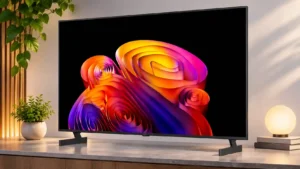
DVDs and HD streams gain clear, natural-looking detail without aggressive edge sharpening.
Pros: contrast ratio, black levels
Cons: reflection handling, color accuracy
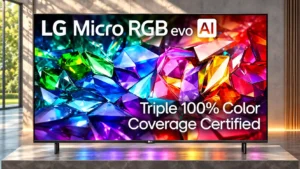
Lower-resolution DVDs and older streams gain clarity without conspicuous over-sharpening.
Pros: peak brightness, picture quality
Cons: value for money, viewing angles
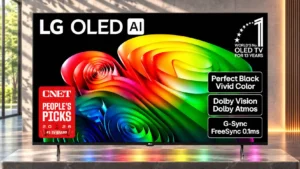
HD streams and online videos become sharper and more colorful, though processed low-resolution content still cannot match native 4K.
Pros: value for money, peak brightness
Cons: color accuracy, stand quality

HD material can upscale cleanly with smooth edges, but DVDs and other low-resolution material remain noticeably soft. Source quality makes a major difference.
Pros: design and appearance, maximum volume
Cons: picture quality, value for money