OLED pixel response is nearly instantaneous, producing crisp motion and exceptionally responsive gaming.
Pros: picture quality, peak brightness
Cons: value for money, sound quality

OLED pixel response is nearly instantaneous, producing crisp motion and exceptionally responsive gaming.
Pros: picture quality, peak brightness
Cons: value for money, sound quality

Nearly instantaneous pixel transitions minimize trailing and keep fast games remarkably clear.
Pros: gaming performance, HDR brightness
Cons: reflection handling, glare resistance
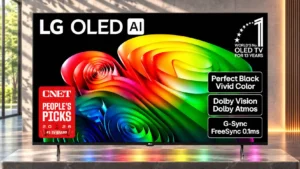
Fast OLED pixel transitions keep rapid movements crisp, giving games an immediate, blur-free feel.
Pros: value for money, peak brightness
Cons: color accuracy, stand quality
OLED pixel transitions are nearly instantaneous, keeping fast game movement exceptionally crisp.
Pros: contrast ratio, black levels
Cons: reflection handling, color accuracy
Near-instant OLED response keeps gaming motion exceptionally clean and responsive, though it can make low-frame-rate stutter more visible.
Pros: picture quality, gaming performance
Cons: value for money, sound quality

Slow pixel changes cause visible blur and uneven transitions during fast action, making this one of the set's weaker technical areas.
Pros: design and appearance, maximum volume
Cons: picture quality, value for money
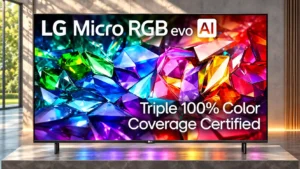
Slow LCD pixel transitions create obvious motion smearing, particularly at 120Hz and 165Hz.
Pros: peak brightness, picture quality
Cons: value for money, viewing angles
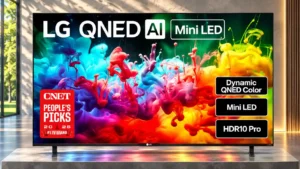
Slow pixel transitions leave moving subjects blurry rather than sharply resolved.
Pros: picture quality, color accuracy
Cons: remote control quality, black levels