#1
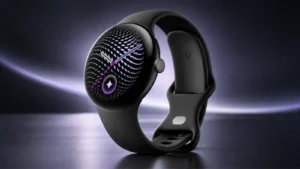
Charging speed is a standout strength. Reviewers repeatedly reported very fast top-ups, often around 45-60 minutes for a full charge and roughly half a battery in about 15 minutes.
Pros: software smoothness, style and design
Cons: value for money, wellness insights
#2
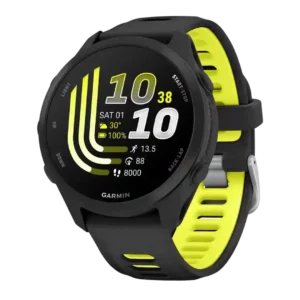
Charging is quick, reaching a full charge in roughly 65 minutes and providing a substantial top-up in about 20 minutes.
Pros: value for money, battery life
Cons: mapping and navigation, materials quality
#3
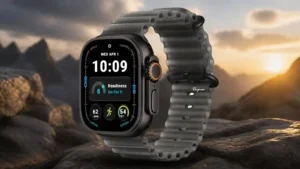
Fast charging is a standout strength: short sessions of roughly 5–15 minutes can add enough power for sleep tracking or much of a day.
Pros: battery life, value for money
Cons: data privacy, comfort
#4
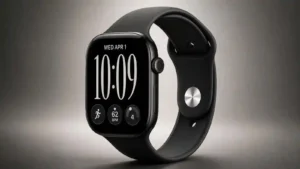
Faster charging is one of the most universally praised upgrades, making short evening or pre-sleep top-ups far more practical. One test did find slower full charging than the previous generation.
Pros: value for money, heart rate accuracy
Cons: data privacy
#5

A full charge takes roughly an hour to 90 minutes depending on starting level. Partial charging is notably faster through the middle of the battery range.
Pros: battery life, value for money
Cons: mapping and navigation, smartwatch features
#6
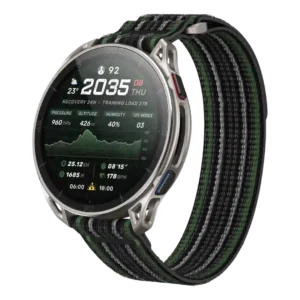
Charging speed is serviceable but not impressive compared with faster rivals.
Pros: battery life, value for money
Cons: reliability
#7

Charging speed is inconsistent across testing: some units reach useful top-ups or a full charge in roughly 90 minutes, while others take closer to two hours or initially far longer....
Pros: battery life, comfort
Cons: value for money, charging speed
#8
Charging speed is a major consensus complaint, often taking roughly 80-120 minutes and sometimes longer. A few tests were quicker, but inconsistency and slow short top-ups remain common frustrations.
Pros: software smoothness, wellness insights
Cons: battery life, charging speed
