Best for voiceover effectiveness
Mary Oliver: Saved by the Beauty of the World
5.0 attribute score
Highest scored product for this attribute based on supporting review evidence.

Highest scored product for this attribute based on supporting review evidence.
Balances the attribute score, supporting reviews, and overall product strength.
Has the broadest review evidence for this attribute.
Strongest overall product among items with scored evidence for this attribute.

Overall: 4.5/5
The spoken poems are praised for their beautiful delivery. Hearing them aloud lets their emotional power come through.
Pros: directing quality, interview quality
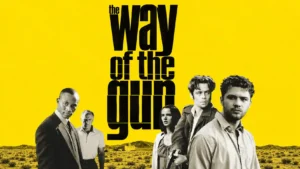
Overall: 3.9/5
The deliberately literary narration exaggerates classic noir conventions, giving the story a knowingly artificial flavor rather than a naturalistic voice.
Pros: action sequence quality, dialogue quality
Cons: character appeal, story quality
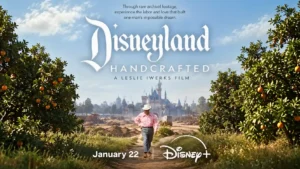
Overall: 4.6/5
Firsthand archival voices guide the images without taking over the screen. Their placement helps communicate the deadline, uncertainties, and everyday work while sustaining immersion.
Pros: entertainment value, archival footage quality
Cons: theme depth, runtime
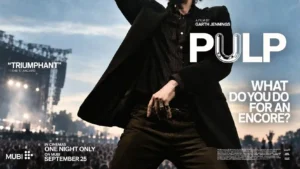
Overall: 4.3/5
Cocker narrates like an entertaining companion rummaging through memories, combining dry wit with candid reflection. His voice gives the collage intimacy and connective tissue.
Pros: soundtrack quality, Biographical coverage
Cons: band member coverage, Biographical fairness
Overall: 4.6/5
Hammer’s recorded voice gives the portrait presence and emotional force. The fluid joining of younger and older recordings makes her memories especially engaging.
Pros: directing quality, archival footage quality
Cons: Biographical coverage

Overall: 4.6/5
McElwee’s reflective voice gives the shifting footage a personal thread. Its dry, soothing delivery carries audible heartbreak without losing its familiar warmth.
Pros: emotional impact, theme depth
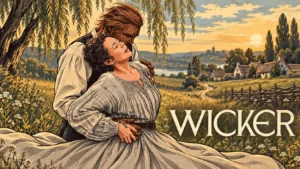
Overall: 4.2/5
The basketmaker’s curious voice and theatrical commentary give the fable a memorable storytelling presence. His narration supplies some of its most distinctive lines.
Pros: humor, romance quality
Cons: character screen time, runtime
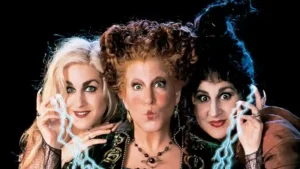
Overall: 3.2/5
The dubbing is considered especially convincing in the opening sequence.
Pros: acting performance, supporting cast performance
Cons: entertainment value, humor

Overall: 4.4/5
Israa’s opening narration has emotional resonance beyond its immediate scene, framing the decade-long account of what follows war.
Pros: Exile and belonging, emotional impact

Overall: 3.0/5
Akuma’s voice work earns praise for strengthening the character’s presence.
Pros: animation quality, faithfulness to source material
Cons: entertainment value, humor

Overall: 3.6/5
Valerie’s narrated letter gives the prison sequence a poetic quality and helps Evey’s emotional transformation become briefly convincing.
Pros: acting performance, lead performance
Cons: message quality, faithfulness to source material

Overall: 4.5/5
Diane Lane’s sensitive diary readings bring warmth and introspection, usually without crowding the footage. One critic finds the commentary occasionally over-explanatory.
Pros: family dynamics, Biographical coverage

Overall: 3.4/5
Enola’s direct-to-camera commentary adds personality and wit for many, while dissenters find the knowing asides increasingly cutesy or repetitive.
Pros: entertainment value, lead performance
Cons: mystery quality, pacing

Overall: 4.4/5
The opening narration establishes the scenario clearly and convincingly. Larroquette’s newsreel-style delivery gives the fictional events an authoritative, unsettling weight.
Pros: genre satisfaction, scares
Cons: character development, entertainment value

Overall: 3.9/5
Pierre Coffin’s energetic gibberish and a game guest cast keep the characters lively, although some find certain parts underused.
Pros: humor, classic cinema references
Cons: story quality, pacing
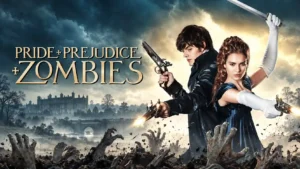
Overall: 3.2/5
Dry, smooth narration helps establish the alternate history and its deadpan tone.
Pros: lead performance, supporting cast performance
Cons: entertainment value, action sequences
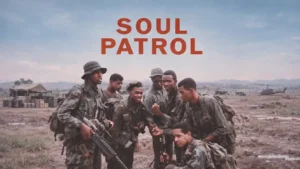
Overall: 4.5/5
Emanuel’s narration helps anchor the film in his experiences and supplies useful background, making some reenacted passages feel redundant.
Pros: Historical preservation, historical reenactments
Cons: Documentary scope, political perspective balance

Overall: 4.1/5
The two voices add layers of perspective and can make history accessible. At times the imagery and structure communicate so clearly that the narration feels unnecessary.
Pros: romance quality, archival footage quality
Cons: Narrative structure, Documentary scope

Overall: 4.1/5
Television excerpts help connect the search to its chronology and wider social setting. Their narrational function provides useful context.
Pros: Grief portrayal, cinematography
Cons: pacing
Overall: 4.1/5
Narration, interview excerpts and documentary visuals are assembled into a distinctive presentation praised by a young reviewer.
Pros: Financial betrayal exploration, story quality
Cons: pacing, biographical depth

Overall: 4.3/5
The late voiceover is sharply divisive: one assessment finds it particularly haunting, while another thinks the film would lose nothing by removing it.
Pros: Grief portrayal, ending satisfaction
Cons: plot clarity, pacing

Overall: 4.2/5
The soundtrack voiceover is judged fine in performance but weakened by excessive length. Its expanded narration is less economical than the film's storytelling.
Pros: soundtrack quality, animation quality
Cons: character development, runtime

Overall: 3.5/5
Ben’s narration earns praise for intelligence, wit and thoughtful questions. It also attracts criticism for philosophizing too much and blocking genuine human interaction.
Pros: visual style, directing quality
Cons: theme depth, sexual content level
Overall: 4.1/5
The narration can clarify Cady’s intelligence and outsider perspective. Other accounts find it assumptive or too eager to explain what the audience already understands.
Pros: humor, supporting cast performance
Cons: ending satisfaction, pacing

Overall: 3.0/5
Mary Shelley's possession of the Bride is both a signature invention and a common sticking point. Its sudden vocal switches fascinate some, but many find them distracting, irritating, or without...
Pros: acting performance, lead performance
Cons: directing quality, entertainment value

Overall: 3.8/5
The narration divides viewers between those who need it to connect with the reserved lead and those who find it redundant. Its therapy-like wording and tendency to verbalize subtext attract...
Pros: visual style, acting performance
Cons: character development, voiceover effectiveness

Overall: 3.5/5
The opening narration suggests an intriguing possibility about who is inventing the story, but that possibility is considered underdeveloped.
Pros: acting performance, lead performance
Cons: pacing, writing quality

Overall: 3.8/5
Avoiding constant narration helps preserve the physical storytelling. The later fatherly voice and remembered guidance feel affecting to some and corny or overwrought to others.
Pros: acting performance, drama quality
Cons: story quality, ending satisfaction

Overall: 3.2/5
Compressed news narration and explanatory exchanges can move the story past its most important emotional questions too quickly.
Pros: lead performance, acting performance
Cons: AI portrayal, emotional impact

Overall: 2.5/5
The closing narration is criticized for relegating the social argument to a ham-fisted epilogue rather than integrating it into the drama.
Pros: supporting cast performance, casting quality
Cons: entertainment value, screenplay quality

Overall: 3.1/5
Martin’s narration can spell out the addiction contrast too directly, reducing the force of an otherwise evocative observation.
Pros: acting performance, directing quality
Cons: story quality, writing quality

Overall: 2.7/5
Roger’s planning narration is criticized as a self-satisfied attempt to seem clever.
Pros: lead performance, visual style
Cons: plot twists, entertainment value