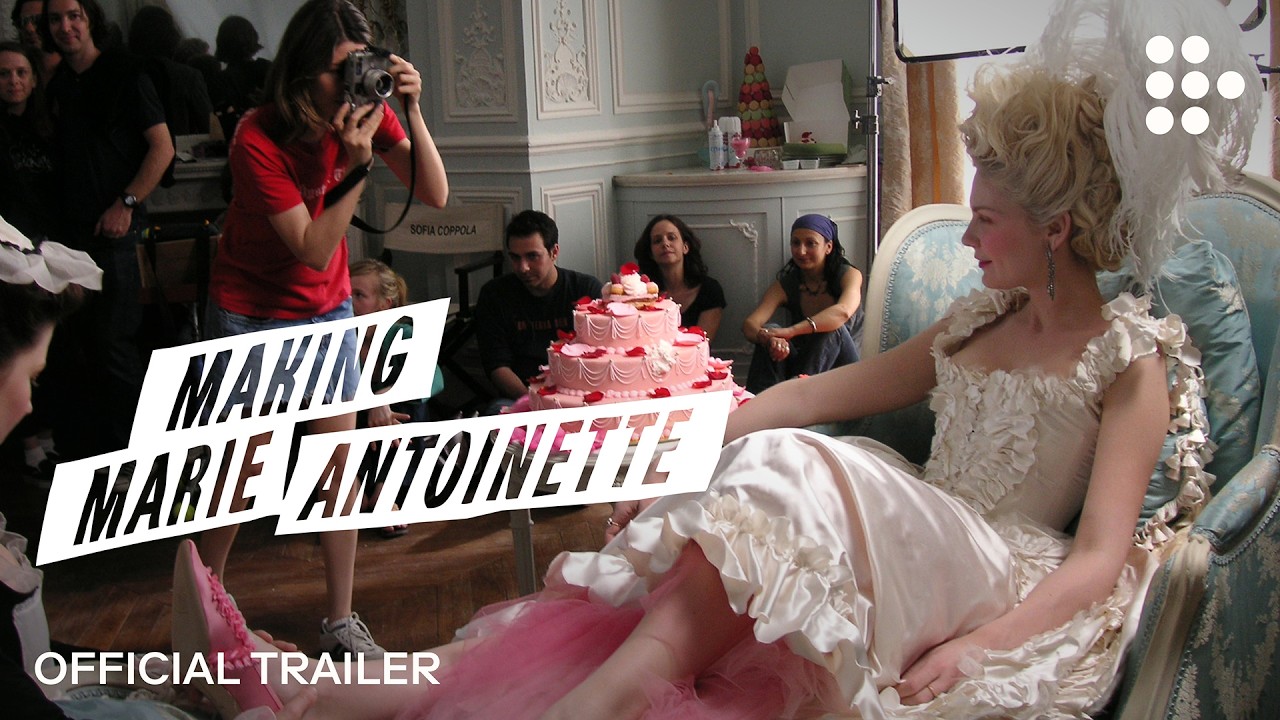
Choose this for an intimate view of filmmaking craft and a moving mother-daughter bond. Skip it if you want explosive production drama or a rigorous account of the original film’s reception.
Fans of the original film, movie buffs, and aspiring filmmakers drawn to production craft and candid creative struggles. Mothers and daughters may especially connect with its affectionate portrait of mutual encouragement.
Viewers seeking explosive behind-the-scenes conflict or advanced, rigorous instruction in directing may find the affectionate approach too limited. It is also unlikely to convert viewers already alienated by the original film’s ornate world.
Verdict
Eleanor Coppola’s camera turns a lavish film set into an unusually intimate space, catching the fatigue, playfulness, and quiet resolve behind Sofia’s ambitious production. The strongest praise goes to its tender mother-daughter portrait, candid access, and attention to the people doing the work. Diary passages deepen the film into a reflection on female creativity and ambitions deferred, while small comic moments keep it buoyant. Fans of the original and viewers curious about filmmaking have much to enjoy, and several critics find its emotional reach extends further. The tradeoff is a gentle, affectionate perspective that can feel indulgent or closer to an expanded supplement. It offers little explosive conflict, leaves the original film’s reception largely outside its frame, and occasionally substitutes commentary for deeper exploration.
family dynamics: 4.8, 23 reviews, strong consensus
The mother-daughter bond is the documentary’s most consistent strength. Affection, occasional friction, and mutual artistic encouragement make the relationship feel intimate and recognizable.
The film reveals Sofia finding her authority while gradually becoming an equally intimate portrait of Eleanor. Their different creative insecurities give the family tribute its depth.
Quiet parental pride builds into a deeply moving tribute, especially as Eleanor’s own unrealized ambitions come into view. Several critics describe tears or unexpectedly strong emotion.
Deferred creative ambitions, maternal pride, and female authorship give the film more resonance than its light surface suggests. Some critics still want a broader, deeper reflection beyond this particular production.
Family trust and Eleanor’s unobtrusive presence bring unusual candor and small moments a more formal crew might miss. The access remains affectionate and authorized, with relatively little explosive conflict.
Creative process insight: 4.5, 18 reviews, strong consensus
Costumes, scheduling, handmade detail, and the people coordinating it all become absorbing parts of the story. The film makes large-scale production feel tangible without losing its human focus.
Returning fan viewing: 4.5, 7 reviews, strong consensus
Fans of the original film can linger over familiar images, production details, and candid moments with its makers. Several critics consider it an especially rewarding companion.
Movie buffs are rewarded with close access to a substantial production and the artists doing the work. The mix of craft detail and personal perspective makes it especially appealing to viewers curious about cinema.
Viewers curious about the filmmakers’ creative lives gain intimate access to their personalities, doubts, and ambitions. The documentary becomes as revealing about Eleanor as it is about Sofia.
Not ideal for
Advanced filmmaking study
2.5
1 review
Advanced filmmaking study: 2.5, 1 review
Viewers seeking rigorous study of directing methods may find the film’s ambitions too limited. Its intimate, informal observation takes priority over systematic instruction.
Her patient, perceptive observation catches small human moments and invites unusual candor. The warm maternal viewpoint is widely admired, although some critics find the finished film slight or supplement-like.
Her completion of the documentary is praised for honoring her mother’s artistic voice. The use of Eleanor’s journals gives the tribute a personal inner perspective.
Jason Schwartzman: 4.4, 7 reviews, strong consensus
Playful musical interludes, jokes, and impish spontaneity make his candid appearances a recurring delight. Several critics single him out as an especially entertaining presence.
Her tender, sensitive reading of Eleanor’s journals brings maternal warmth and introspection. The passages usually feel seamlessly integrated into the film.
Compared with other Movies, this product is above average in Portrayal of women, ending satisfaction, character development, near average in interview and source material quality, nostalgia appeal, below average in archival footage quality, film framing.
Comparison summary
31 compared features
Above average0.4+ pts higher
24(77%)
Same as averagewithin 0.3 pts
5(16%)
Below average0.4+ pts lower
2(6%)
Largest category differences
Attribute
This product
Category average
Difference
archival footage quality
2.8
4.3
-1.5
Portrayal of women
4.5
3.2
+1.3
ending satisfaction
4.6
3.2
+1.4
character development
4.5
3.1
+1.4
family dynamics
4.8
3.9
+0.9
originality
4.5
3.2
+1.3
editing quality
4.7
3.5
+1.2
tonal consistency
4.4
3.2
+1.2
Consider This Instead
If you want better archival footage quality
Choose Remake. It scores 4.7 vs 2.8 for archival footage quality, with a 4.6 overall score.
Products reviewers directly compared with this model, grouped into quick takeaways.
Hearts of Darkness: A Filmmaker’s Apocalypse
Better: Thematic weightThis film has less weight than the earlier documentary but offers more playful visual pleasures.
Better: Substance and production dramaThe critic finds this gentler production portrait less substantive than the earlier documentary, while still valuing its insights.
Compared: Production conflict and intensityThe new documentary is much gentler and less explosive than Eleanor’s earlier production chronicle.
Hearts of Darkness
Compared: Female perspective and emotional valueThe quieter portrait is judged just as valuable and potentially more poignant for its female-centered perspective.
Compared: ToneThis documentary’s breeziness contrasts with the earlier film’s pervasive anxiety.
Hearts of Darkness: A Filmmaker's Apocalypse
Compared: On-set chaosThe earlier documentary’s turbulent production is used to emphasize the relative lack of major crises here.
FAQ
Do I need to have seen the original film?
Existing fans are its clearest audience, but several critics found the family portrait engaging without prior attachment to the original.
Is it mainly about filmmaking or family?
It combines detailed glimpses of production with a mother-daughter portrait. Eleanor’s journals also explore her own creative ambitions.
Does it show how the film was made?
Yes. Costumes, wigs, set decoration, scheduling, and collaboration receive attention, though it is an observational portrait rather than a systematic directing course.
Is it full of production disasters?
No. There are budget pressures, exhaustion, illness, and disagreements, but the tone is mostly gentle and affectionate.
Who reads Eleanor’s journals?
Diane Lane reads the diary passages. Her delivery is praised for its sensitivity, though one critic finds the commentary occasionally over-explanatory.
Does it cover the Cannes backlash?
The documentary largely ends with production. It does not substantially examine the original film’s reception or later critical reappraisal.
Is there enough information to choose an age recommendation?
The available content descriptions are too limited for a reliable youngest-age recommendation. The documentary is described as not rated in the United States.
Sample Expert Reviews We Analyzed
These are a few of the reviews included in our analysis.
Choose this inventive, unsettling documentary for fearless questioning, dark humor, and unpredictable storytelling. Skip it if you want a short, straightforward exposé with definitive answers.
Best for a hypnotic, bookish mystery with tactile visuals and cerebral chills. Skip it if reading-heavy, attention-demanding storytelling sounds more exhausting than exciting.
Best for an intimate, searching documentary that rewards focused attention and invites discussion. Skip it when devastating grief, addiction footage, and unresolved family tensions would be too much.
Best for patient suspense, an unforgettable score, and an unsettling masked killer. Skip it for very young children or if you want to avoid intense scares; its restrained kills also...