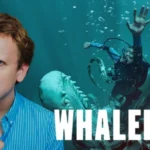
Sustained suffocation and confinement terror includes blood, acid burns, broken bones, and severe bodily injury. Suicide, harsh parental abuse, grief, and coarse language add mature concerns.
Official ratingPG-13
Bottom Line
Choose Whalefall for a tactile, nerve-racking survival ordeal and immersive theatrical sound. Skip it if claustrophobic body horror or heavily sentimental father-son drama would overwhelm the experience.
Survival-thriller and body-horror fans seeking an immersive theatrical ordeal. Viewers open to an earnest story about parental loss may also find it unexpectedly affecting.
Viewers sensitive to claustrophobia, deep water, gore, or sustained physical suffering. Its repeated family flashbacks and spiritual finale may also frustrate those seeking a straightforward thriller.
Verdict
Whalefall turns an improbable premise into an unusually physical survival ordeal. Austin Abrams gives the danger a vulnerable human center, while contracting sets, underwater imagery, and enveloping sound make the whale feel alarmingly close. Many viewers also find unexpected emotional force in Jay’s troubled relationship with his father. That drama is the main dividing point: the flashbacks can enrich the danger or interrupt it, and the spiritual finale can feel cathartic or painfully cheesy. Dark action, muffled speech, and convenient solutions add further reservations. A large screen and strong sound system suit its sensory strengths, provided sustained confinement and graphic bodily peril are part of the appeal.
The central performances sell extreme physical danger and, for many, the fraught family bond. The acting in the flashbacks attracts more disagreement than the survival work.
The father-son story gives the spectacle meaning for its admirers. Others find the conflict repetitive, emotionally manipulative, or less engaging than the survival material.
A damaged father-son bond drives the story. Its mixture of harsh parenting, love, resentment, and attempted reconciliation feels resonant to some and formulaic to others.
Family relationships: 3.6, 52 reviews, low consensus
The strained father-son bond gives the survival ordeal unexpected emotional weight for many viewers. Others find the repeated conflict and reconciliation too familiar, overstated, or unconvincing.
lead performance: 4.5, 51 reviews, moderate consensus
Austin Abrams is widely praised for conveying fear, pain, and vulnerability through obstructive diving gear. A few dissenters find his characterization weak or his dramatic scenes less convincing.
The father’s tough-love approach creates both lasting wounds and skills that help Jay survive. Whether that tension feels insightful or like an unearned redemption divides opinion.
The survival hook is compelling, but reactions depend on whether its emotional and spiritual ambitions feel earned. Admirers find a moving adventure; critics see a thin premise stretched around contrivances.
The screenplay cleverly links remembered lessons to present danger for its supporters. Detractors object to contrived solutions, explanatory dialogue, and repeated emotional cues.
Some find the escalating hazards gripping throughout; others feel repeated flashbacks interrupt the urgency. The balance between physical survival and remembered family conflict is the key dividing point.
Tactile sets and committed acting can make the impossible situation feel immediate. Convenient supplies, unusual lighting, and the finale strain credibility for skeptical viewers.
A large screen and powerful sound system intensify the whale’s scale and claustrophobia. Dolby and other large-format screenings are repeatedly recommended for the immersive audio.
Horror fan viewing: 4.9, 7 reviews, strong consensus
Viewers seeking bodily horror, claustrophobic danger, and sustained unease have much to enjoy. The story also asks them to engage with a substantial father-son drama.
Thriller fan viewing: 4.6, 9 reviews, moderate consensus
Fans of contained survival ordeals can enjoy the escalating threats and resourceful escape attempts. The substantial emotional storyline makes the recommendation more conditional for some.
Extended confinement inside contracting whale chambers can be extremely distressing. Explicit warnings make this a poor choice for viewers sensitive to tight spaces.
Suffocation, confinement, and being swallowed alive make this challenging for viewers sensitive to frightening scenarios. The intensity can linger after the film ends.
Abrams’s physical commitment and expressive vulnerability carry the ordeal for most viewers. A small minority find his characterization or the emotional climax less convincing.
Brolin’s harsh father has commanding presence and hidden tenderness for his admirers. Detractors find the performance exaggerated, repetitive, or too familiar.
Duffield earns praise for making a wildly improbable ordeal feel immediate and immersive. His writing and handling of sentimental material draw sharper disagreement.
Compared with other Movies, this product is above average in value for money, title appeal, scares, near average in emotional impact, acting performance, below average in voiceover effectiveness, Portrayal of women, dialogue quality.
Comparison summary
54 compared features
Above average0.4+ pts higher
13(24%)
Same as averagewithin 0.3 pts
27(50%)
Below average0.4+ pts lower
14(26%)
Largest category differences
Attribute
This product
Category average
Difference
voiceover effectiveness
2.3
4.0
-1.7
value for money
5.0
3.3
+1.7
Portrayal of women
1.5
3.1
-1.6
title appeal
5.0
3.5
+1.5
scares
4.8
3.7
+1.0
originality
4.0
3.2
+0.9
suspense
4.5
3.7
+0.9
dialogue quality
2.0
3.0
-1.0
Consider This Instead
If you want better lead performance
Choose The Sheep Detectives. It scores 5.0 vs 4.5 for lead performance, with a 4.1 overall score.
Similar: Father-son grief and spectacleThe reviewer recommends its father-son themes to viewers who appreciated Ad Astra.
127 hours
Similar: Limited-air survival scenarioThe reviewer compares the tight survival deadline to a compressed 127 hours scenario.
Similar: Survival and memory structureBoth survival stories use the trapped protagonist’s memories to advance the ordeal.
Similar: Flashback structureFlashbacks break up the survival ordeal in a structure compared to 127 Hours.
FAQ
Is Whalefall mainly a survival thriller?
Yes, but a substantial father-son drama runs alongside the escape attempt. Reactions to that emotional storyline vary sharply.
Is it worth seeing in a theater?
Many recommend a large screen and strong sound system, especially Dolby or other large formats, for the enveloping underwater sound.
How frightening or graphic is it?
It includes prolonged confinement, suffocation danger, blood, acid burns, and severe injuries. Viewers sensitive to tight spaces or body horror may find it overwhelming.
What is its U.S. rating?
PG-13. The sustained terror, injuries, suicide, and family abuse still warrant care when choosing it for younger viewers.
How is Austin Abrams’s performance?
Most praise his physical commitment and ability to convey fear and vulnerability through diving gear. A few find the dramatic characterization less convincing.
Does the ending work?
It is divisive: some find the surreal emotional turn cathartic, while others find it cheesy or implausible.
Does it preserve the novel’s approach?
Readers describe substantial fidelity to its memories, father-son relationship, and unusual emotional turns. They disagree about how well those elements translate to film.
Sample Expert Reviews We Analyzed
These are a few of the reviews included in our analysis.
Choose this inventive, unsettling documentary for fearless questioning, dark humor, and unpredictable storytelling. Skip it if you want a short, straightforward exposé with definitive answers.
Best for a hypnotic, bookish mystery with tactile visuals and cerebral chills. Skip it if reading-heavy, attention-demanding storytelling sounds more exhausting than exciting.
Best for an intimate, searching documentary that rewards focused attention and invites discussion. Skip it when devastating grief, addiction footage, and unresolved family tensions would be too much.
Best for patient suspense, an unforgettable score, and an unsettling masked killer. Skip it for very young children or if you want to avoid intense scares; its restrained kills also...