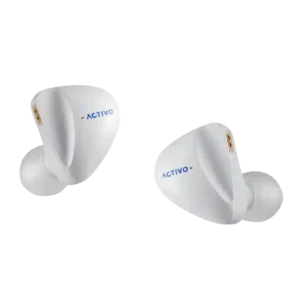
A proper seal blocks outside noise well, especially with the foam tips, though those tips can be fiddly to fit.
Pros: Value for money, Multi-platform compatibility

A proper seal blocks outside noise well, especially with the foam tips, though those tips can be fiddly to fit.
Pros: Value for money, Multi-platform compatibility
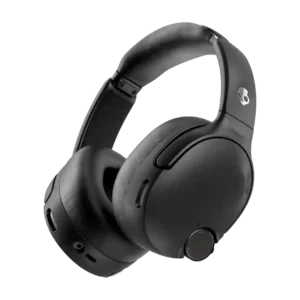
The large, well-sealed earcups provide strong passive isolation before ANC is even switched on. One reviewer said the outside world already became noticeably quieter from the fit alone.
Pros: Value for money, Bass performance
Cons: Weight comfort, Frequency response accuracy
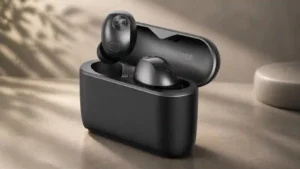
A proper tip seal provides strong passive isolation before ANC even engages. Reviewers repeatedly stress that tip choice matters because a weak seal quickly reduces both isolation and bass.
Pros: User-replaceable batteries, Overall satisfaction
Cons: Auracast support, Sensors
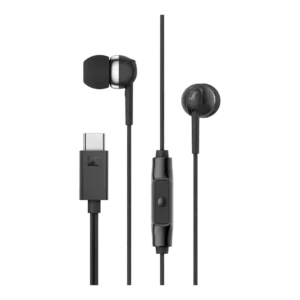
Passive isolation is repeatedly praised as surprisingly effective for inexpensive wired earbuds. A good seal blocks office chatter and everyday background noise well, though it is not presented as a...
Pros: Sound quality, Eartips fit
Cons: Overall satisfaction, Bass performance
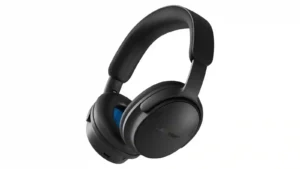
Passive isolation benefits from the tighter oval seal and plush cushions. Reviewers say the design meaningfully quiets the outside world even before ANC starts.
Pros: Overall recommendation, Active noise cancellation
Cons: Battery, Equalizer customization
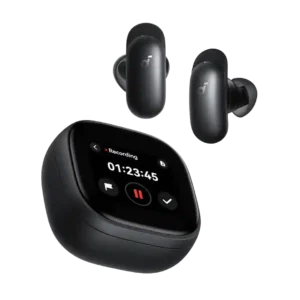
The physical seal helps these earbuds block a lot of outside sound before ANC even gets involved. Several comments credit the snug in-ear fit for making noise reduction feel especially...
Pros: Overall satisfaction, Active noise cancellation
Cons: Value for money, AI transcription and summaries
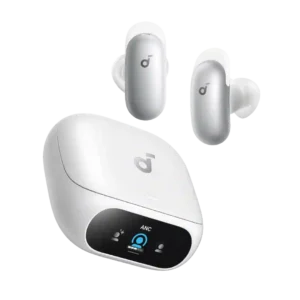
Passive isolation benefits from the Bose-like oval tips and secure seal. Owners who get the fit right report strong isolation even before ANC does the heavy lifting.
Pros: Sound quality, Microphone quality for calls
Cons: Battery, Bluetooth
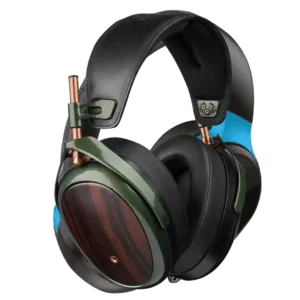
Passive isolation is unusually strong for an audiophile headphone and works well in offices, homes, and travel. Performance depends on achieving a complete pad seal.
Pros: Bass performance, Design and Aesthetics
Cons: Headband adjustability

The over-ear fit usually provides strong passive isolation and helps the ANC, though one tester found the fabric cushions less isolating than expected.
Pros: Battery, Charging
Cons: Value for money, Codec support
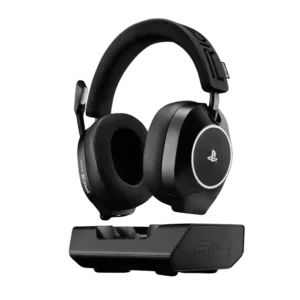
Passive isolation was praised by reviewers who noticed strong seal-based isolation, including one calling it kind of incredible.
Pros: Sound quality, Included stand quality
Cons: Detachable microphone convenience
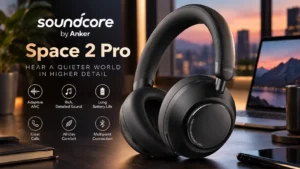
The plush earcup seal provides useful isolation even with the headphones powered off. Several accounts find this passive blocking makes a meaningful contribution to quietness.
Pros: Active noise cancellation, Sound quality
Cons: Carry case quality, Included accessories

Passive isolation was helped by a strong seal and was explicitly called excellent in one lab-style review.
Pros: Battery, Active noise cancellation
Cons: Transparency mode quality, Carry case quality

Passive isolation benefits from the deep cushions and seal, especially with UltraPlush; the more porous Knit pads trade some isolation for breathability.
Pros: Overall recommendation, Replaceable pads/headband
Cons: 3.5mm analog input availability, Travel friendliness
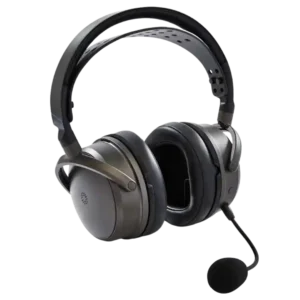
The plush closed-back pads form a strong passive seal that blocks keyboards, chatter, and other everyday noise well. That isolation is useful at a desk, though people who prefer hearing...
Pros: Overall satisfaction, Sound quality
Cons: Weight comfort, Comfort during long use
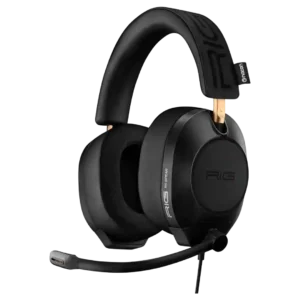
Passive isolation was consistently useful, ranging from average lab results to reviewers calling it solid, superior, or excellent for blocking external noise.
Pros: Sound quality, Value for money
Cons: Button control usability, Dongle
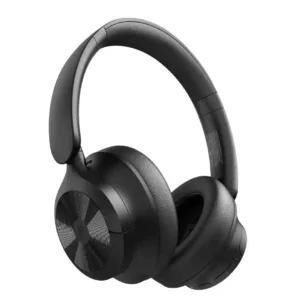
The ear pads provide useful passive isolation and do much of the work even before ANC is engaged.
Pros: Comfort during long use, Sound quality
Cons: Button control usability, Codec support
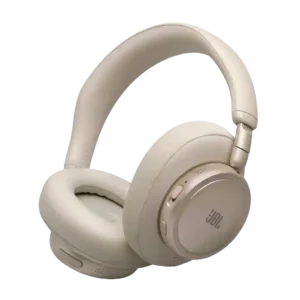
Passive isolation depends strongly on fit: the snug seal and plush pads block a useful amount for many users, while others find it minimal.
Pros: Overall recommendation, Active noise cancellation
Cons: Bass performance, Clamping force comfort
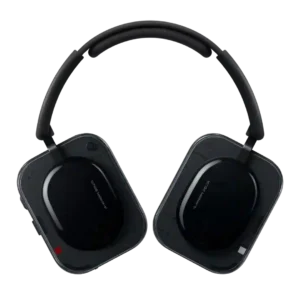
Passive isolation can be quite effective with a good seal, but glasses or fit issues can weaken it noticeably.
Pros: Battery, Active noise cancellation
Cons: Bass performance, Carry case quality
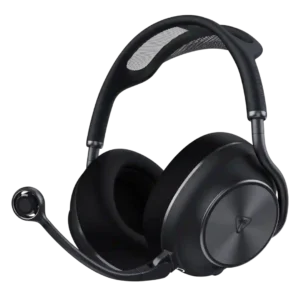
The sculpted cushions create a useful passive seal that blocks a surprising amount of room noise before ANC is enabled. Cloth coverings and imperfect fit can still let voices and...
Pros: Overall satisfaction, Sound quality
Cons: Weight comfort, Stability
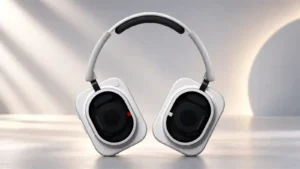
The soft cushions can create a strong passive seal, and one reviewer called the isolation impressive. Another found the softer pads reduced isolation, while fit and glasses can change the...
Pros: Active noise cancellation, Overall recommendation
Cons: Carry case quality, Value for money
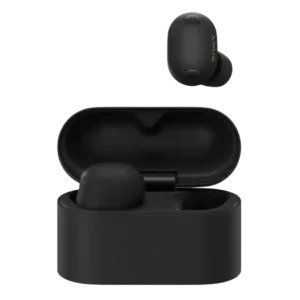
Passive isolation depended heavily on fit and tips; some reviewers praised the foam seal and noise blocking, while others struggled to achieve a tight seal.
Pros: Active noise cancellation, Sound quality
Cons: Spatial audio, Ear tip size options
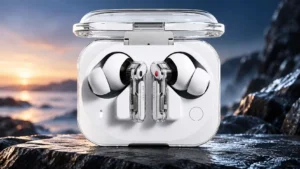
A good tip seal gives helpful passive reduction in quieter spaces. It is less reliable against voices and higher sounds, so noisy journeys often still call for ANC.
Pros: Overall satisfaction, Value for money
Cons: AI transcription and summaries, Spatial audio

Passive isolation has limited positive evidence, described only as decent in one source.
Pros: Design and Aesthetics, Built-in DAC and hi-res playback
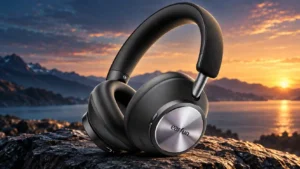
A good seal can make these feel well isolated and preserve bass. Glasses or small head movements can break that seal for some wearers, while another finds the fit nearly...
Pros: Comfort during long use, Ear cup padding quality
Cons: Frequency response accuracy, Treble clarity
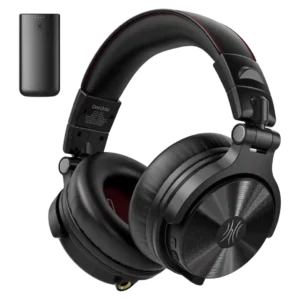
Passive isolation was inconsistent: some found it good or decent, while DJ-focused reviewers said it was only moderate or not strong enough for loud environments.
Pros: Overall recommendation, Comfort during long use
Cons: Sound quality, Frequency response accuracy
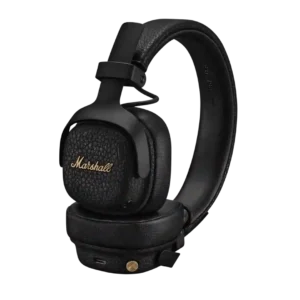
Passive isolation is the predictable weak point of the on-ear design. The pads help, but the incomplete seal lets voices and sharper sounds pass through.
Pros: Overall recommendation, Battery
Cons: Wear detection auto-pause, Noise isolation (passive)
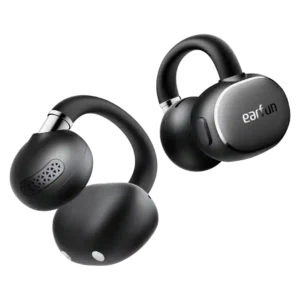
Very little outside sound is blocked, which helps awareness but makes noisy trains, streets, and gyms difficult. Buyers seeking a sealed listening experience will find the isolation inadequate.
Pros: Overall satisfaction, Sound quality
Cons: Maximum volume clarity, Noise isolation (passive)
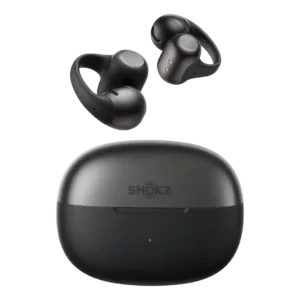
Isolation is intentionally limited, which is great for awareness but poor for blocking trains, planes, gyms, or traffic. Buyers wanting a sealed, quiet listening bubble will likely prefer ANC or...
Pros: Overall satisfaction, Sound quality
Cons: Value for money, Noise isolation (passive)
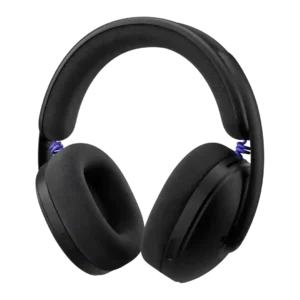
Passive isolation was weak by closed-headset standards, letting partners, kids, and surrounding activity remain audible; one reviewer saw this as useful awareness.
Pros: Comfort during long use, Design and Aesthetics
Cons: Build quality, Microphone
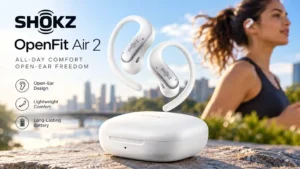
The open design lets traffic, wind, and household noise compete with music. It is welcome outdoors but frustrating on trains and other loud routes.
Pros: Weight comfort, Sound quality
Cons: Noise isolation (passive), Wireless charging
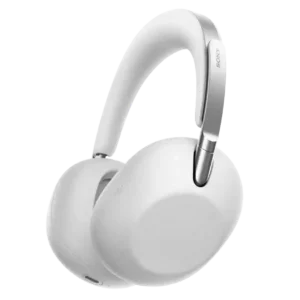
Passive isolation is only average because the comfort-focused seal is less tight. ANC compensates well at low frequencies but voices and higher sounds can pass through.
Pros: Comfort during long use, Premium feel
Cons: Battery, Value for money
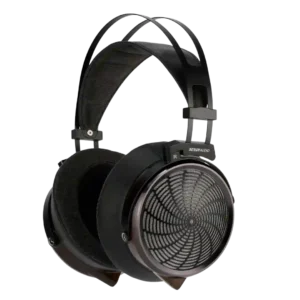
Passive isolation is minimal, as expected from an open-back headphone. Outside sounds remain audible, so it works best in a quiet private room.
Pros: Build quality, Comfort during long use
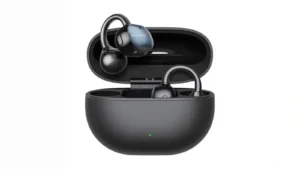
Passive isolation is weak by design: outside noise remains audible and loud environments can overwhelm the music. That limitation is the flip side of the strong situational awareness many reviewers...
Pros: Overall satisfaction, Sound quality
Cons: Spatial audio
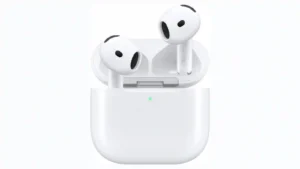
The open fit provides little passive sealing, which helps comfort and awareness but reduces isolation before ANC even begins working.
Pros: Overall satisfaction, Sound quality
Cons: Battery, Eartips fit
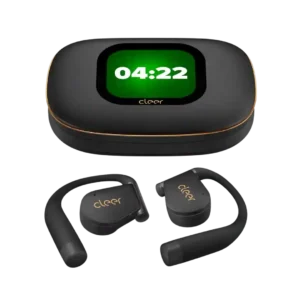
Passive isolation is intentionally minimal because the earbuds leave the ear canal open. That supports awareness but makes them a poor choice for buyers wanting outside sound blocked.
Pros: Overall satisfaction, Carry case quality

Because the ear canals stay open, traffic and other environmental noise remain audible. That is intentional for awareness but a poor match for sound isolation.
Pros: Charging, Stability
Cons: Bass performance, Sound quality
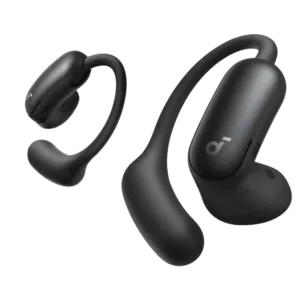
Passive isolation is weak because the semi-in-ear design lacks a full silicone-tip seal. Reviewers repeatedly linked that open fit to outside sound leaking in and to the ANC having less...
Pros: Overall satisfaction, Sound quality
Cons: Active noise cancellation, Carry case quality
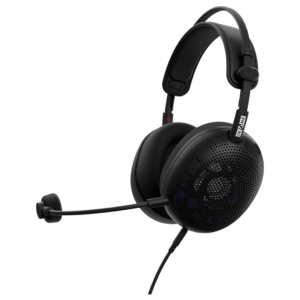
Passive isolation was the clearest weakness: reviewers said the open-back design lets background noise pass through and requires a quiet room.
Pros: Sound quality, Microphone
Cons: Microphone noise reduction, Spatial audio
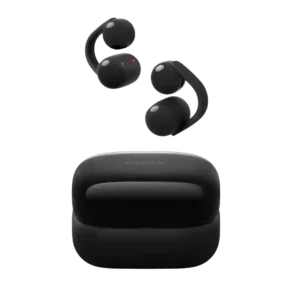
Passive isolation is intentionally weak, and reviewers repeatedly warn these do not block outside noise.
Pros: Battery, Stability
Cons: Value for money, Charging
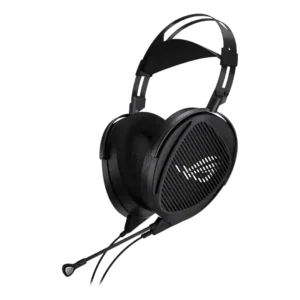
The extremely open cups provide little to no passive isolation. Household sounds, fans, conversations, and other room noise remain easy to hear.
Pros: Overall satisfaction, Sound quality
Cons: Microphone, Headband adjustability
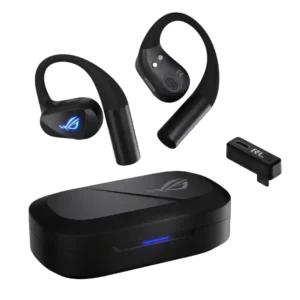
Passive isolation is essentially nonexistent by design. That is useful for awareness, but it makes noisy environments and fully immersive gaming poor fits.
Pros: Overall satisfaction, Sound quality
Cons: Value for money, Bass performance