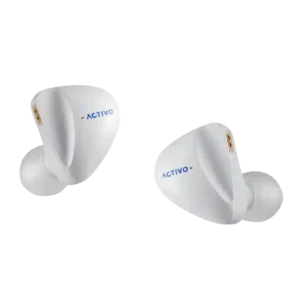
The presentation feels notably spacious for a $99 IEM, with a soundstage repeatedly described as genuinely impressive.
Pros: Value for money, Multi-platform compatibility

The presentation feels notably spacious for a $99 IEM, with a soundstage repeatedly described as genuinely impressive.
Pros: Value for money, Multi-platform compatibility

The presentation is notably airy and expansive, giving layered music more room and a wider sense of space.
Pros: Overall satisfaction, Sound quality
Cons: Battery, Eartips fit
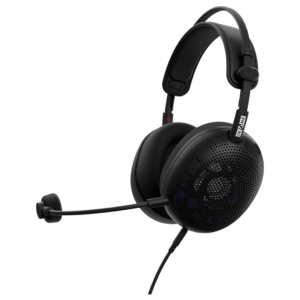
The open-back design repeatedly earned praise for a wide, immersive soundstage that made games and music feel more spacious.
Pros: Sound quality, Microphone
Cons: Microphone noise reduction, Spatial audio
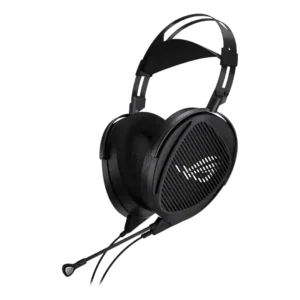
The open-back planar design creates a broad, airy, highly detailed stage that often feels more speaker-like than conventional gaming headsets. A few FPS users disagree sharply about its directional usefulness.
Pros: Overall satisfaction, Sound quality
Cons: Microphone, Headband adjustability
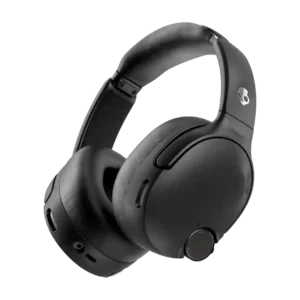
The Bose-influenced tuning creates a noticeably wider and more open soundstage than previous Crusher models. TrueSpatial can expand it further, especially for movies and stationary listening.
Pros: Value for money, Bass performance
Cons: Weight comfort, Frequency response accuracy
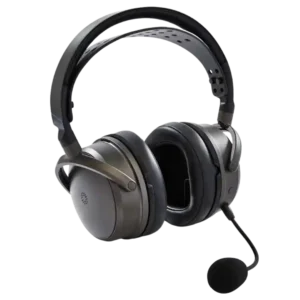
The closed-back design still produces an unusually spacious stereo field with convincing width and depth. Games and layered music benefit from the open-feeling presentation and easy placement of sounds.
Pros: Overall satisfaction, Sound quality
Cons: Weight comfort, Comfort during long use
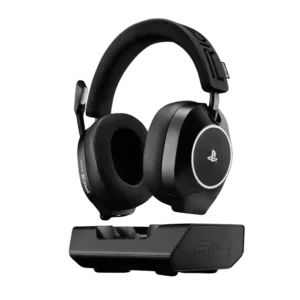
One reviewer described a spacious, layered Battlefield mix where many audio events remained distinct rather than lost.
Pros: Sound quality, Included stand quality
Cons: Detachable microphone convenience
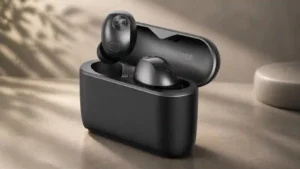
The stereo presentation is widely described as open and spacious, with more width than many mainstream ANC earbuds. A few reviewers note that it is not the absolute widest stage,...
Pros: User-replaceable batteries, Overall satisfaction
Cons: Auracast support, Sensors
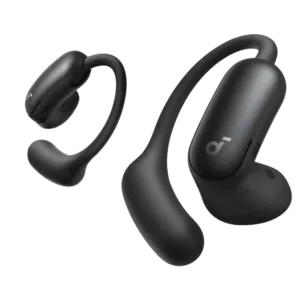
The AeroFit 2 Pro creates an impressively broad, open presentation, with reviewers repeatedly calling out spaciousness and scale. Spatial processing can widen it further, though the natural presentation is often...
Pros: Overall satisfaction, Sound quality
Cons: Active noise cancellation, Carry case quality
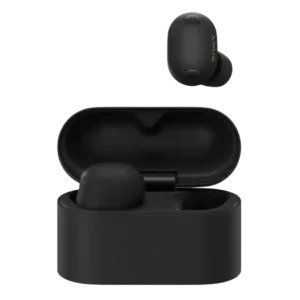
Soundstage width was praised as wide, spacious, and unusually expansive for true wireless earbuds.
Pros: Active noise cancellation, Sound quality
Cons: Spatial audio, Ear tip size options
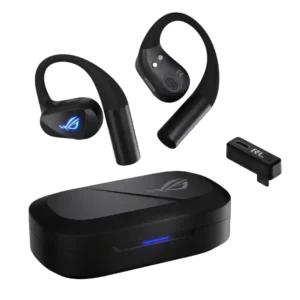
The open design generally creates a spacious presentation, with several reviewers praising the wide soundstage and stereo image.
Pros: Overall satisfaction, Sound quality
Cons: Value for money, Bass performance
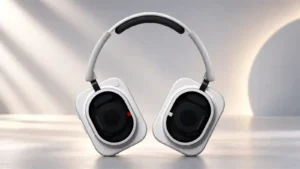
The presentation is wider and more open than earlier Nothing models, with strong spatial placement. It still sounds more closed-in than large open-back reference headphones.
Pros: Active noise cancellation, Overall recommendation
Cons: Carry case quality, Value for money
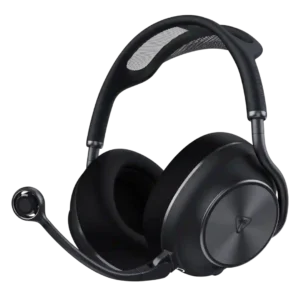
The closed-back headset creates a surprisingly broad, enveloping stage with strong depth and atmosphere. It still trails good open-back designs in openness, and one customer found it narrower than an...
Pros: Overall satisfaction, Sound quality
Cons: Weight comfort, Stability
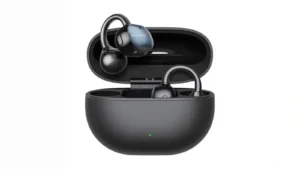
The open fit produces a broad, airy stage with respectable separation and spatial cues. Imaging is adequate to strong, though not as precise or three-dimensional as better sealed alternatives.
Pros: Overall satisfaction, Sound quality
Cons: Spatial audio

The soundstage is consistently spacious for a closed wireless headphone, with good width and room around instruments.
Pros: Overall recommendation, Replaceable pads/headband
Cons: 3.5mm analog input availability, Travel friendliness
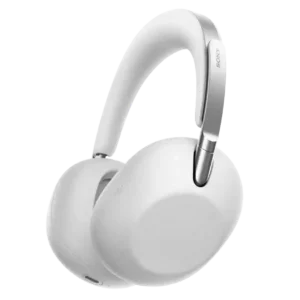
The soundstage is notably wide and airy for a closed-back wireless headphone, giving instruments room to breathe. Depth and intimacy are less convincing for some listeners.
Pros: Comfort during long use, Premium feel
Cons: Battery, Value for money
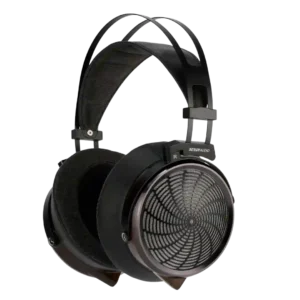
The open-back presentation creates a broad, stable stage with convincing depth and placement. Most listeners praise its spaciousness, though one found it less expansive than the widest open-back alternatives.
Pros: Build quality, Comfort during long use
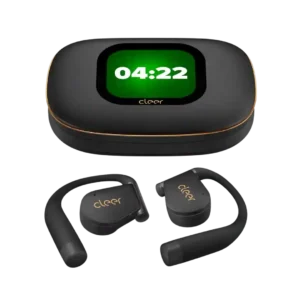
Several reviewers heard a wide, spacious presentation with convincing directional placement, especially in movies and games. One critical review found the soundstage unexpectedly narrow and lacking expansion.
Pros: Overall satisfaction, Carry case quality
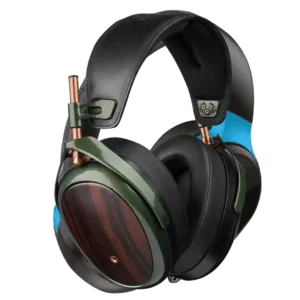
An unusually airy, wide stage is one of the clearest strengths for a closed-back headphone. Its exact depth and scale remain recording-dependent, and a few listeners hear a more intimate...
Pros: Bass performance, Design and Aesthetics
Cons: Headband adjustability
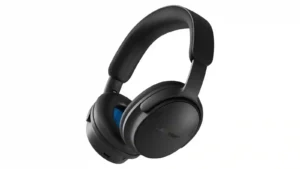
Soundstage is generally spacious for a closed-back headphone and can widen further with Cinema or Immersive modes. The Ultra still sounds a little more open in direct comparisons.
Pros: Overall recommendation, Active noise cancellation
Cons: Battery, Equalizer customization
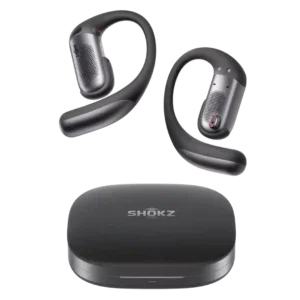
The open fit creates a naturally wide, speaker-like soundstage with convincing stereo placement. Spatial processing can stretch it further without collapsing dynamics.
Pros: Sound quality, Comfort during long use
Cons: Value for money, Volume output
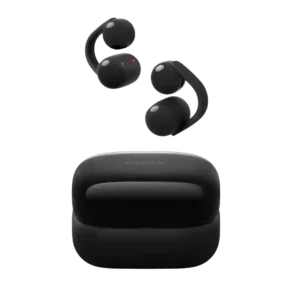
Soundstage is a strength when mentioned, with reviewers praising the wide or solid open presentation.
Pros: Battery, Stability
Cons: Value for money, Charging
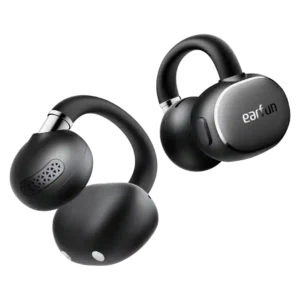
The open design creates a spacious, airy presentation, and Theater Mode can widen it further. Depth and precision vary, with a few listeners finding complex tracks narrow or less immersive.
Pros: Overall satisfaction, Sound quality
Cons: Maximum volume clarity, Noise isolation (passive)
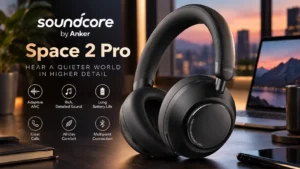
Some hear broad width and depth, especially after EQ or in instrumental tracks. Others describe compact staging or wish vocal recordings sounded more open.
Pros: Active noise cancellation, Sound quality
Cons: Carry case quality, Included accessories

Reviewers repeatedly heard a wide or spacious presentation, with praise for width, depth and a roomy soundstage at the price.
Pros: Battery, Active noise cancellation
Cons: Transparency mode quality, Carry case quality
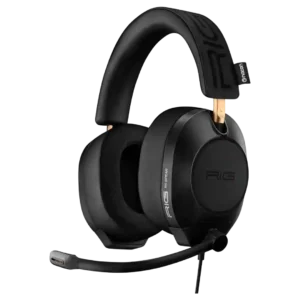
Soundstage and width were a strength for a closed wired headset, with higher immersiveness scores and reviewers noting a wider presentation.
Pros: Sound quality, Value for money
Cons: Button control usability, Dongle
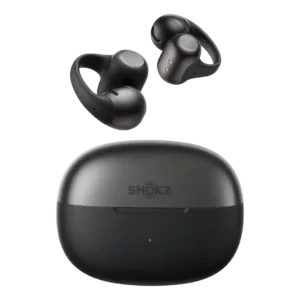
Dolby and the open design can create a wider, more spacious presentation. That extra width is not universally loved, with one reviewer finding shifts in placement can change the soundstage...
Pros: Overall satisfaction, Sound quality
Cons: Value for money, Noise isolation (passive)

The presentation is wide and spacious for open-ear earbuds, with good separation of musical layers. Incorrect positioning can make the stereo image uneven.
Pros: Weight comfort, Sound quality
Cons: Noise isolation (passive), Wireless charging
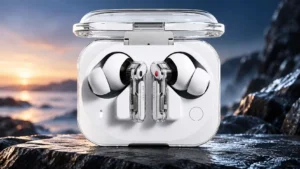
Several testers hear an open, generously wide stage with room around vocals and instruments. Others find orchestral mixes tight or less spacious than competing buds.
Pros: Overall satisfaction, Value for money
Cons: AI transcription and summaries, Spatial audio
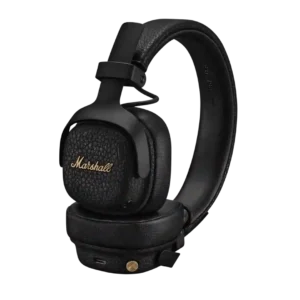
The native soundstage ranges from intimate to surprisingly spacious for on-ears. Marshall’s Soundstage mode can add width, though the result depends strongly on the setting and content.
Pros: Overall recommendation, Battery
Cons: Wear detection auto-pause, Noise isolation (passive)
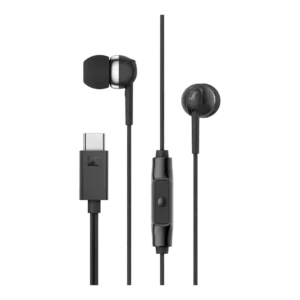
Opinions on soundstage width differ by source: one expert calls it wide, while another says the staging is not especially wide. Buyers should expect more openness than many budget buds,...
Pros: Sound quality, Eartips fit
Cons: Overall satisfaction, Bass performance
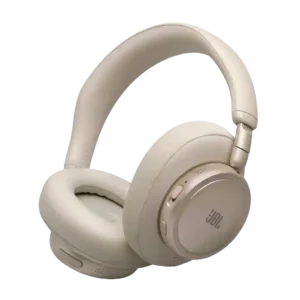
The presentation can feel pleasantly wide and open for a closed-back model, especially with spatial modes. Other tests found the native stage average or narrow, so expectations should stay realistic.
Pros: Overall recommendation, Active noise cancellation
Cons: Bass performance, Clamping force comfort
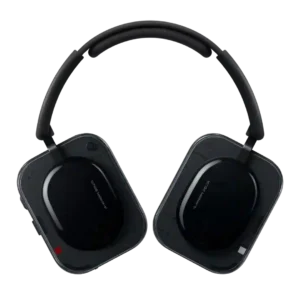
Soundstage impressions are mixed. Some hear a notably open or wider-than-expected presentation, while others find it close, narrow, or only average for closed-back headphones.
Pros: Battery, Active noise cancellation
Cons: Bass performance, Carry case quality
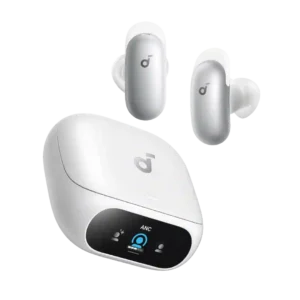
Soundstage width earns both praise and criticism. One customer loves the sound stage, while another wants a more spacious presentation at this price.
Pros: Sound quality, Microphone quality for calls
Cons: Battery, Bluetooth
The presentation is usually intimate rather than open-back expansive. Some hear a pleasant medium-room space, while others find it boxed in; EQ or disabling ANC can improve openness.
Pros: Comfort during long use, Ear cup padding quality
Cons: Frequency response accuracy, Treble clarity
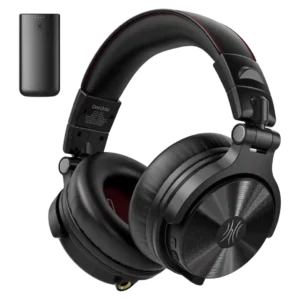
Soundstage impressions were mixed, ranging from average or closed-in to reasonably wide and useful for gaming or general listening.
Pros: Overall recommendation, Comfort during long use
Cons: Sound quality, Frequency response accuracy

The stage is inconsistent across listeners: some hear a wide, dynamic presentation, while others find it enclosed or only average in width and depth.
Pros: Battery, Charging
Cons: Value for money, Codec support
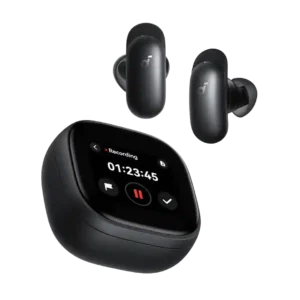
The stage has enough space for casual listening, but several audio-focused testers found it more compact than premium competitors. It can feel slightly closed-in rather than wide and airy.
Pros: Overall satisfaction, Active noise cancellation
Cons: Value for money, AI transcription and summaries
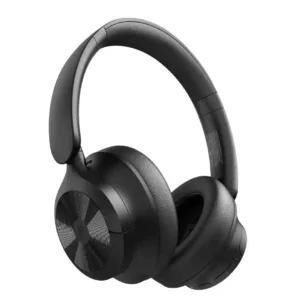
Soundstage is acceptable but not expansive: one review called it decent, while others found it flat, shallow, or mostly inside the head.
Pros: Comfort during long use, Sound quality
Cons: Button control usability, Codec support
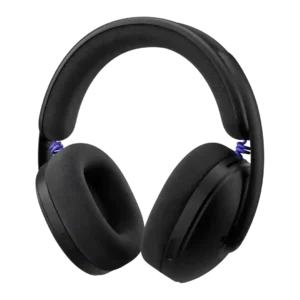
Soundstage and immersion were limited; reviewers said it was not as immersive and could feel thin or hollow in more atmospheric games.
Pros: Comfort during long use, Design and Aesthetics
Cons: Build quality, Microphone

Soundstage width is limited, with one track sounding hollow and underfilled.
Pros: Design and Aesthetics, Built-in DAC and hi-res playback