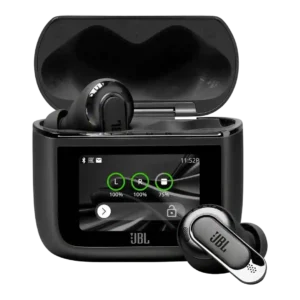
Passive isolation was praised, especially with the included tips and foam tips improving the seal.
Pros: Sound quality, Carry case quality
Cons: Portability/foldability, Button control usability

Passive isolation was praised, especially with the included tips and foam tips improving the seal.
Pros: Sound quality, Carry case quality
Cons: Portability/foldability, Button control usability
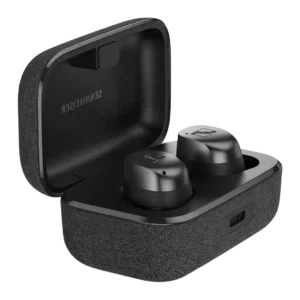
Passive isolation is praised when the fit is right, with reviewers noting strong physical blocking and seal benefits.
Pros: Sound quality, Bass performance
Cons: Microphone quality for calls, Microphone noise reduction
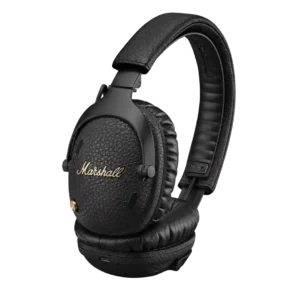
Passive isolation was praised for the soft cushions and seal, which helped block noise even before ANC was considered.
Pros: Battery, Active noise cancellation
Cons: Spatial audio, 3.5mm analog input availability
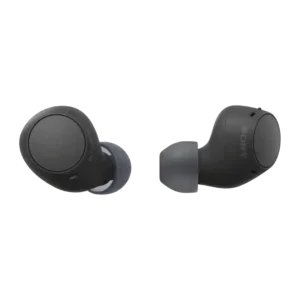
Passive isolation is one of the clearest strengths; reviewers repeatedly say the seal blocks a surprising amount of ambient noise despite the lack of ANC.
Pros: Value for money, Sound quality
Cons: Active noise cancellation, Codec support

Soft cushions and a good seal provide useful isolation before ANC is engaged. Passive blocking helps keep background noise down, though fit matters.
Pros: Active noise cancellation, Sound quality
Cons: Bass performance, Midrange clarity
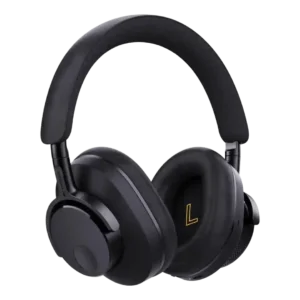
Passive isolation was viewed positively, with reviewers saying the fit and earcups blocked or reduced outside sound effectively even before ANC.
Pros: Value for money, Sound quality
Cons: Stability, Wind noise handling

A well-fitting seal usefully softens chatter and higher-frequency noise before ANC engages. Passive blocking is less convincing when the fit or seal is imperfect.
Pros: Sound quality, Comfort during long use
Cons: Carry case quality, Included accessories
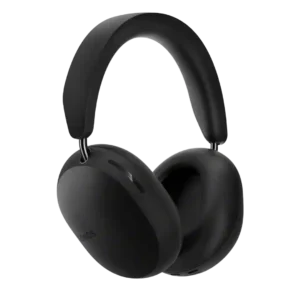
Passive isolation had limited but positive evidence, with one review praising sound isolation even before ANC.
Pros: Overall recommendation, Comfort during long use
Cons: Ecosystem integration, Equalizer customization
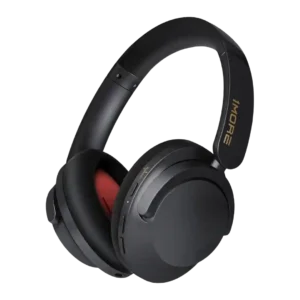
Passive isolation was considered good, helped by the over-ear cushions and fit, adding useful natural noise blocking before ANC.
Pros: Battery, Sound quality
Cons: App, Multipoint connectivity reliability
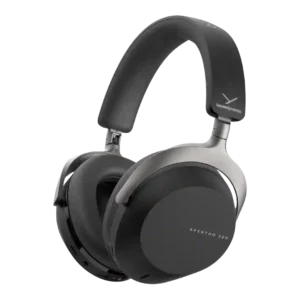
Passive isolation receives modestly positive evidence, helped by fit, but one review still notes ambient sound passing through.
Pros: Bass performance, Sound quality
Cons: Active noise cancellation, Comfort during long use
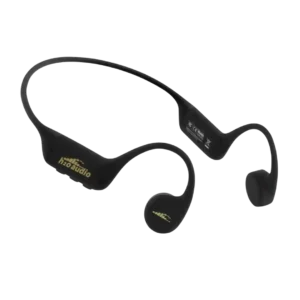
Passive isolation depends on the open-ear tradeoff: awareness is strong, but external noise can drown out playback unless earplugs are used.
Pros: Water/sweat resistance rating, Offline playback and onboard storage
Cons: Bass performance, Button control usability
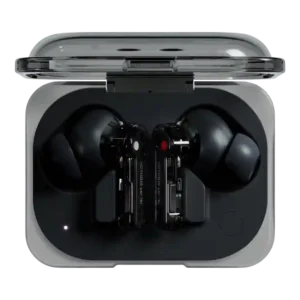
Passive isolation was mixed: some reviewers said the tips block outside noise well, while others still heard leakage or pressure from the remaining earbud.
Pros: Sound quality, Comfort during long use
Cons: Transparency mode quality, Sensors
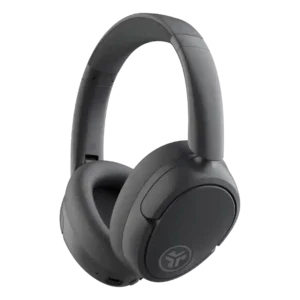
Passive isolation is context-dependent: some praised the earcup seal, while TechGearLab found passive cancellation poor.
Pros: Overall recommendation, Value for money
Cons: Bass performance, Midrange clarity
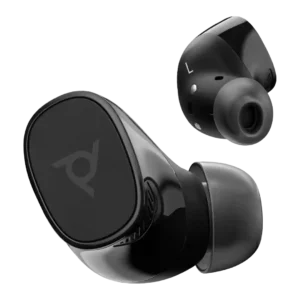
Passive isolation was described as decent by one reviewer, helped by the sealed earbud fit.
Pros: Active noise cancellation, App
Cons: Button control usability, Transparency mode quality
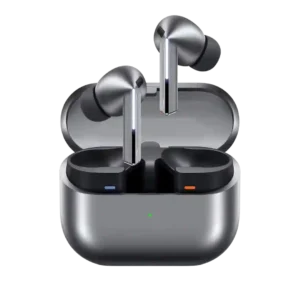
Passive isolation was mixed: a good seal blocked some sound, but reviewers said the design did not isolate as well as deeper in-ear or foam-tip alternatives.
Pros: Sound quality, Active noise cancellation
Cons: Multi-platform compatibility, Carry case quality
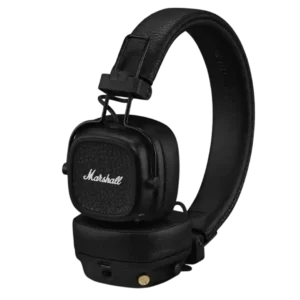
Passive isolation was mixed: the pads muffled some office chatter and ambient sound, but on-ear fit still let plenty through.
Pros: Battery, Overall recommendation
Cons: Active noise cancellation, Noise isolation (passive)

The open design intentionally leaves surrounding sounds unblocked. This is useful for safety but makes listening difficult near traffic, fans, and other loud surroundings.
Pros: Sound quality, Overall satisfaction
Cons: Volume output, Sound leakage
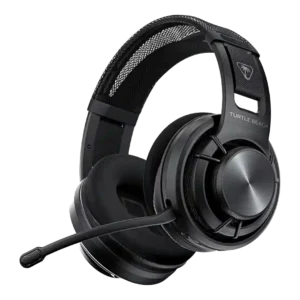
Passive isolation is intentionally poor due to the open-back design, making the headset best for quiet rooms rather than noisy spaces.
Pros: Comfort during long use, Sound quality
Cons: App, Bass performance

Open ears keep environmental sounds accessible, which is valuable outdoors but makes trains, busy roads and loud gyms difficult places to follow audio.
Pros: Sound quality, Comfort during long use
Cons: Bass performance, Cable quality
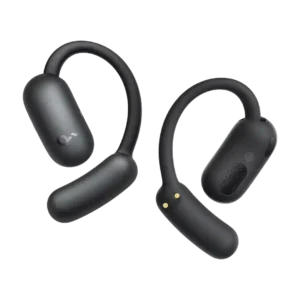
Passive isolation is essentially nonexistent by design, which helps awareness but makes these poor for blocking outside noise.
Pros: Value for money, Equalizer customization
Cons: Bass performance, Preset EQ profile quality