#1
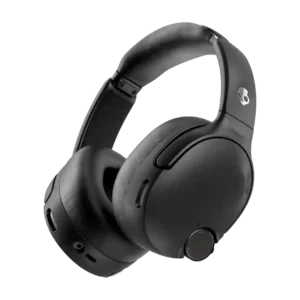
High-frequency detail stays cleaner than expected for a bass-focused headphone. Hands-on testing found that the highs remain present instead of disappearing beneath the Crusher effect.
Pros: Value for money, Bass performance
Cons: Weight comfort, Frequency response accuracy
#2
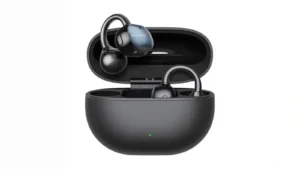
Treble is generally clear, crisp and controlled without the harsh glare common to cheap earbuds. Some reviewers found it slightly bright or short of premium-level air, with occasional harshness only...
Pros: Overall satisfaction, Sound quality
Cons: Spatial audio
#3

Treble earns strong marks for sparkle, clarity and natural detail. There are isolated concerns about high-frequency emphasis, variability and a somewhat recessed presentation in Flat mode.
Pros: Active noise cancellation, Overall recommendation
Cons: Carry case quality, Value for money
#4
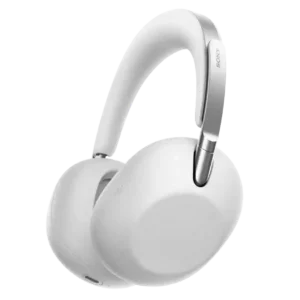
Treble receives mixed reactions: many hear smooth, controlled, non-fatiguing highs, while one reviewer found sharp peaks, fatigue, and limited detail.
Pros: Comfort during long use, Premium feel
Cons: Battery, Value for money
#5
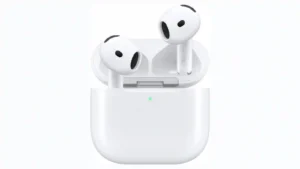
Highs are generally clear and free of the tinniness associated with older AirPods, with good detail and crisp attack.
Pros: Overall satisfaction, Sound quality
Cons: Battery, Eartips fit
#6
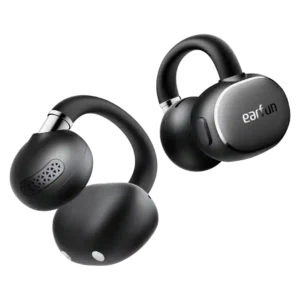
Highs are usually crisp, airy, and detailed at moderate volume. Some tests found the treble sharp, dominant, or distorted when the earbuds are pushed louder.
Pros: Overall satisfaction, Sound quality
Cons: Maximum volume clarity, Noise isolation (passive)
#7
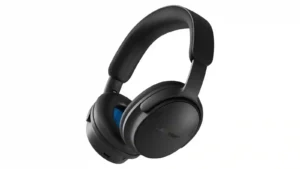
Treble is generally crisp, smooth, and detailed without harshness. A few reviewers hear softened top-end air or slight recession, but the overall response is positive.
Pros: Overall recommendation, Active noise cancellation
Cons: Battery, Equalizer customization
#8
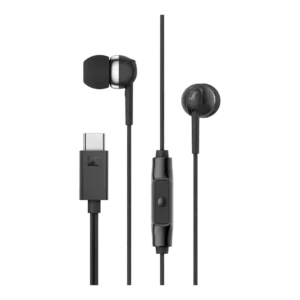
Treble is widely praised for sounding vivid, airy, and controlled without harshness at normal or high volume. One customer strongly disagreed, describing the higher frequencies as dirty-sounding.
Pros: Sound quality, Eartips fit
Cons: Overall satisfaction, Bass performance
#9
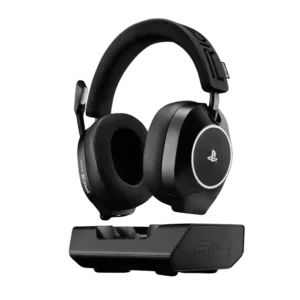
Treble/high-frequency clarity was supported by broad sonic clarity comments and a reviewer noting bass, mids, and highs were present.
Pros: Sound quality, Included stand quality
Cons: Detachable microphone convenience
#10

Treble was generally viewed as clean, crisp and non-fatiguing, with several reviewers noting solid detail and sparkle.
Pros: Battery, Active noise cancellation
Cons: Transparency mode quality, Carry case quality
#11
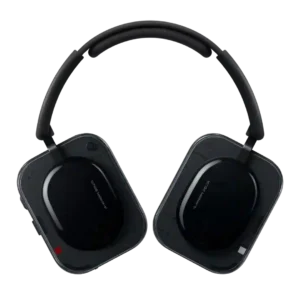
Treble is often praised for crispness and detail, but several reviewers also report sibilance or abrasive upper frequencies on certain tracks.
Pros: Battery, Active noise cancellation
Cons: Bass performance, Carry case quality
#12
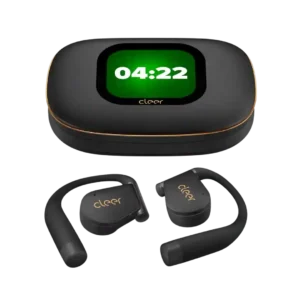
Treble is commonly described as clean, detailed, and non-fatiguing rather than sharp or sibilant. One reviewer heard reduced energy and buried higher details in denser songs.
Pros: Overall satisfaction, Carry case quality
#13
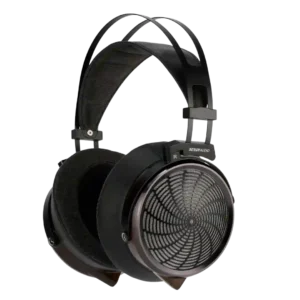
Treble is detailed and airy without becoming consistently harsh, making long sessions easier. Some listeners may still find the upper range a little spicy on bright recordings.
Pros: Build quality, Comfort during long use
#14
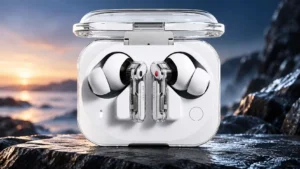
Highs are often crisp or smooth without harshness, particularly with suitable EQ or LDAC. Other listeners want more sparkle and detail, or find treble adjustments metallic.
Pros: Overall satisfaction, Value for money
Cons: AI transcription and summaries, Spatial audio
#15
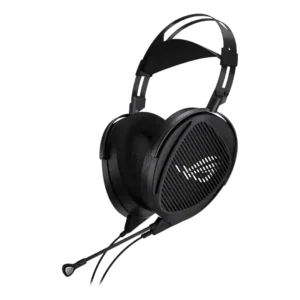
Treble is highly detailed and often cleaner than sharper planar rivals, but the tuning varies with pads and can sound bright, forward, restrained, or fatiguing depending on the listener.
Pros: Overall satisfaction, Sound quality
Cons: Microphone, Headband adjustability
#16
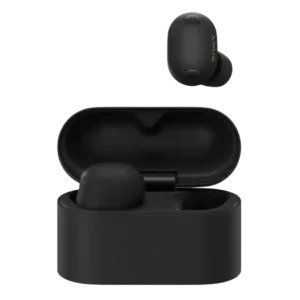
Treble was detailed and airy but occasionally divisive, with several reviewers noting brightness, sharpness, metallic character, or possible fatigue.
Pros: Active noise cancellation, Sound quality
Cons: Spatial audio, Ear tip size options
#17
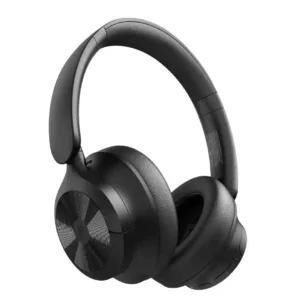
Treble is generally smooth, crisp, and non-fatiguing rather than highly airy or analytical. AAC on Android caused artifacts for one reviewer, while SBC sounded cleaner.
Pros: Comfort during long use, Sound quality
Cons: Button control usability, Codec support
#18
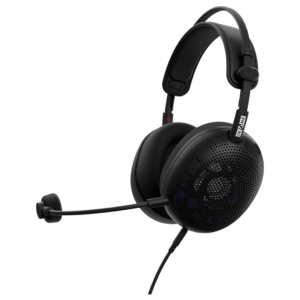
Treble was mostly clear and crisp without harshness, though SoundGuys noted the upper treble could lack some brilliance.
Pros: Sound quality, Microphone
Cons: Microphone noise reduction, Spatial audio
#19
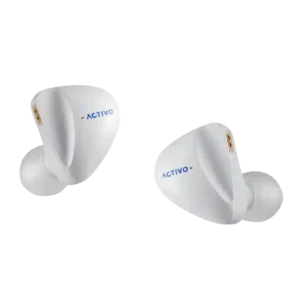
Highs are crisp and expressive, though the brighter tuning can push percussion forward or feel in-your-face on some tracks.
Pros: Value for money, Multi-platform compatibility
#20

Treble clarity is positive in the main test, where treble, bass and mids were all described as clear.
Pros: Design and Aesthetics, Built-in DAC and hi-res playback
#21
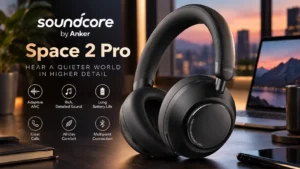
Personalized listening often produces crisp, lively highs without harshness. Critical stock-tuning tests instead hear dull percussion and lost shimmer.
Pros: Active noise cancellation, Sound quality
Cons: Carry case quality, Included accessories
#22
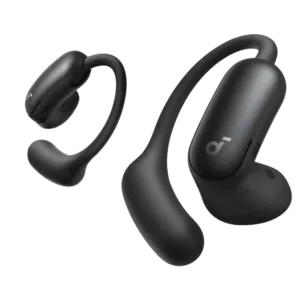
Treble often comes across detailed and controlled, but tuning opinions vary more than for the mids. Depending on mode or preset, reviewers heard anything from clean highs to overly prominent,...
Pros: Overall satisfaction, Sound quality
Cons: Active noise cancellation, Carry case quality
#23
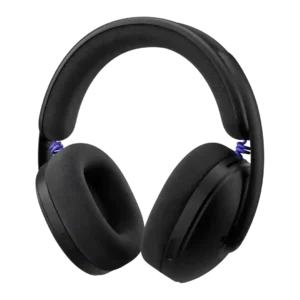
Treble was usually clear and lively, though one review described the tuning as balanced rather than sharp or heavy.
Pros: Comfort during long use, Design and Aesthetics
Cons: Build quality, Microphone
#24
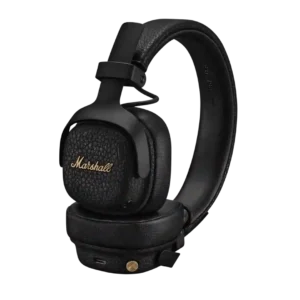
Treble is usually detailed and controlled, with several reviewers praising the lack of harshness. Two tests found the upper mids and highs overly bright or close to sibilant.
Pros: Overall recommendation, Battery
Cons: Wear detection auto-pause, Noise isolation (passive)
#25

Highs are often bright and detailed, especially in quiet environments. One listener found the upper register somewhat thin.
Pros: Weight comfort, Sound quality
Cons: Noise isolation (passive), Wireless charging
#26
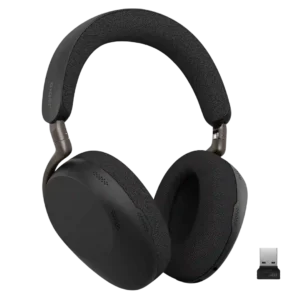
Treble is generally clean and non-fatiguing, though several listeners wanted more brightness, sparkle, or extension. Stronger impressions praise crisp detail without harshness.
Pros: Battery, Charging
Cons: Value for money, Codec support
#27
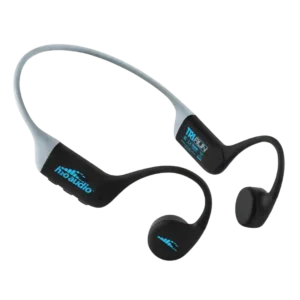
High frequencies drew conflicting reactions, ranging from clear and distortion-free to grainy. Simpler pop and spoken content fare better than demanding music.
Pros: Comfort during long use, Stability
Cons: Sound quality, Overall satisfaction
#28
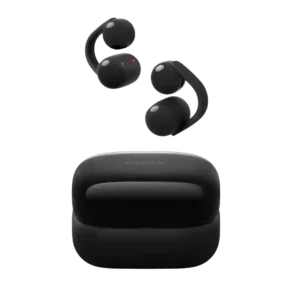
Treble is mixed: some reviewers wanted more sparkle, while another found the highs more detailed than typical open earbuds.
Pros: Battery, Stability
Cons: Value for money, Charging
#29
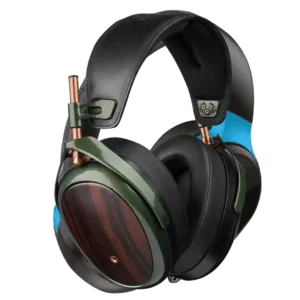
Treble opinions are sharply divided. Many hear airy detail, smooth extension, and fatigue-free sparkle, while others report 4–7kHz peaks, glare, or long-session fatigue.
Pros: Bass performance, Design and Aesthetics
Cons: Headband adjustability
#30
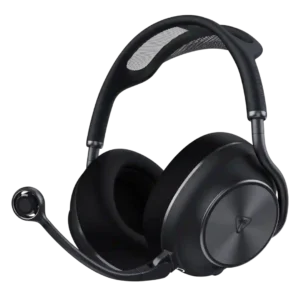
Highs are crisp and reveal fine effects, but the stock tuning often pushes them too far. Sensitive listeners report sibilance or painful sharpness, which is usually reduced with EQ.
Pros: Overall satisfaction, Sound quality
Cons: Weight comfort, Stability
#31

Treble often comes across detailed and crisp, but the brighter tuning can become stilted, sibilant or fatiguing on certain tracks.
Pros: Overall recommendation, Replaceable pads/headband
Cons: 3.5mm analog input availability, Travel friendliness
#32
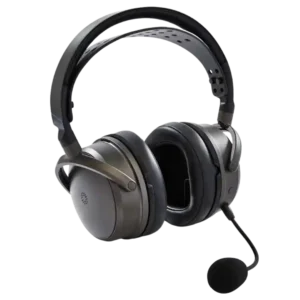
The top end is detailed and airy for many listeners, adding definition without masking the mids. Others hear the stock tuning as sharp, sibilant, or metallic enough to become fatiguing...
Pros: Overall satisfaction, Sound quality
Cons: Weight comfort, Comfort during long use
#33
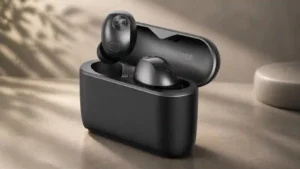
Treble divides opinion more than any other part of the sound. Some hear crisp, controlled highs, while others find a 6–7kHz region sharp, etched or sibilant enough to benefit from...
Pros: User-replaceable batteries, Overall satisfaction
Cons: Auracast support, Sensors
#34
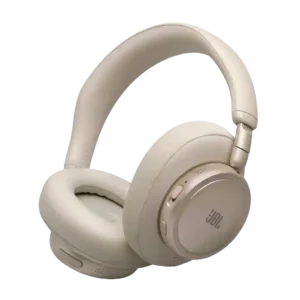
Treble is usually clean and non-fatiguing, but opinions vary on its balance. It can sound crisp, slightly hot in the lower treble, or short on upper-treble air and detail.
Pros: Overall recommendation, Active noise cancellation
Cons: Bass performance, Clamping force comfort
#35
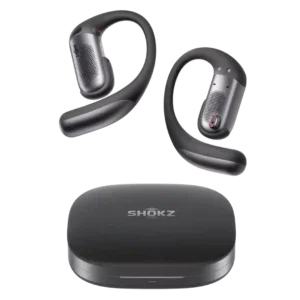
Treble carries plenty of detail and crispness, but tuning opinions vary. Brighter recordings can sound harsh or uneven, while Treble Boost may become fatiguing.
Pros: Sound quality, Comfort during long use
Cons: Value for money, Volume output
#36
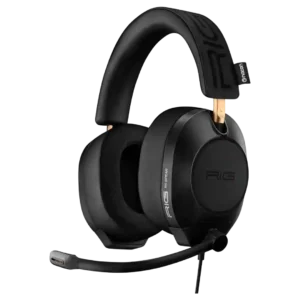
Treble evidence was mixed: one lab review found a dip that hurt intelligibility, while others liked the smoother, less harsh high end for gaming.
Pros: Sound quality, Value for money
Cons: Button control usability, Dongle
#37
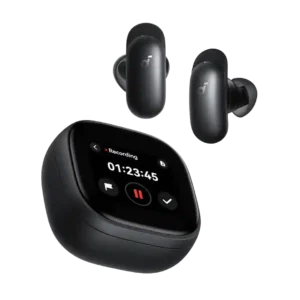
Treble is generally smooth rather than harsh, but it is not the strongest part of the sound. Some testers wanted more brilliance, presence, or cleaner top-end detail.
Pros: Overall satisfaction, Active noise cancellation
Cons: Value for money, AI transcription and summaries
#38
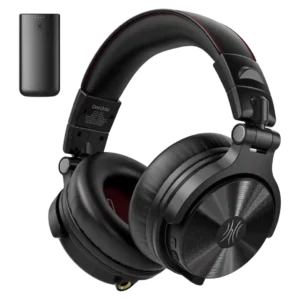
Treble was commonly energetic and crisp, but several reviewers found the top end bright, fuzzy, sharp, tinny or fatiguing depending on music and volume.
Pros: Overall recommendation, Comfort during long use
Cons: Sound quality, Frequency response accuracy
#39
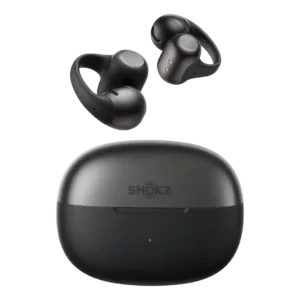
Treble drew the most split reactions in the sound profile. A few heard crisp highs, but several complaints mention grain, sparkle, brightness, or shrillness at higher volumes.
Pros: Overall satisfaction, Sound quality
Cons: Value for money, Noise isolation (passive)
#40
Treble opinions are sharply divided between clear, smooth detail and harshness or sibilance. Parametric EQ is especially helpful for taming narrow peaks while restoring lower-treble presence.
Pros: Comfort during long use, Ear cup padding quality
Cons: Frequency response accuracy, Treble clarity
#41
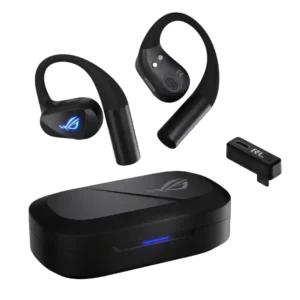
Treble is another polarizing area. Some reviewers praise crisp detail, but many hear excessive brightness, sibilance, or piercing highs at louder levels.
Pros: Overall satisfaction, Sound quality
Cons: Value for money, Bass performance
#42
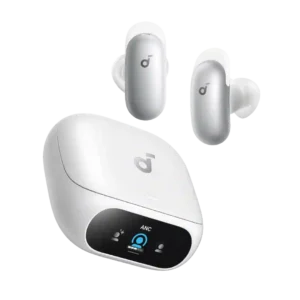
Treble clarity is not universally loved. A few listeners say the tuning needs more tweeter-like sparkle or loses mids and treble at lower volumes.
Pros: Sound quality, Microphone quality for calls
Cons: Battery, Bluetooth
