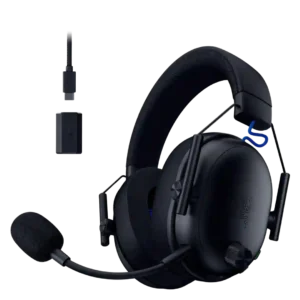
The memory-foam earcups block a meaningful amount of outside sound on their own, helping reviewers stay focused without relying on electronic cancellation.
Pros: Overall satisfaction, Sound quality
Cons: Button control usability, Dongle

The memory-foam earcups block a meaningful amount of outside sound on their own, helping reviewers stay focused without relying on electronic cancellation.
Pros: Overall satisfaction, Sound quality
Cons: Button control usability, Dongle
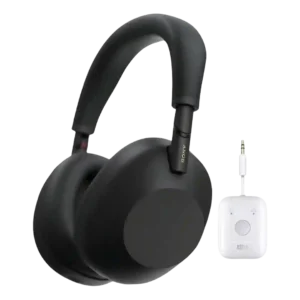
Passive isolation was a major strength in lab and hands-on impressions, helping the headphones block substantial noise even before ANC.
Pros: Sound quality, Active noise cancellation
Cons: Touch control responsiveness, Spatial audio
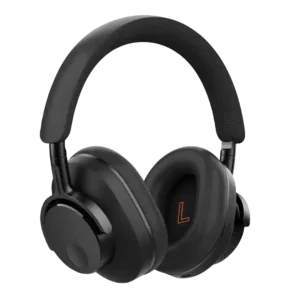
Passive noise isolation is a notable strength, with reviewers praising how much noise is blocked before ANC.
Pros: Overall recommendation, Comfort during long use
Cons: Headband padding quality, Spatial audio
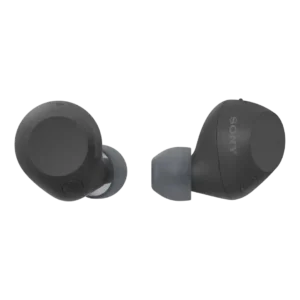
Passive isolation received strong marks where tested, with reviewers crediting the ear tips and secure seal for blocking outside noise before ANC.
Pros: Value for money, Sound quality
Cons: Codec support, LDAC
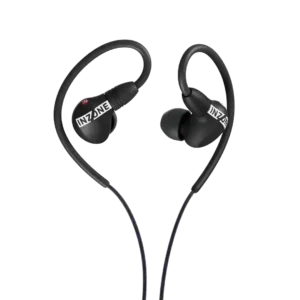
Passive isolation is one of the E9’s clearest strengths, especially with the dedicated isolation tips and a good seal. Most users report substantial blocking of voices, keyboards, and room noise...
Pros: Overall satisfaction, Sound quality
Cons: Bass performance, Treble clarity
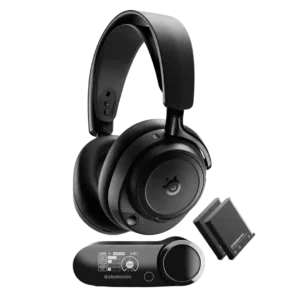
Passive isolation is widely strong, credited to sealed pads and dense cushions, though one review only calls it moderate.
Pros: Sound quality, Connectivity versatility
Cons: Value for money, Carry case quality

Passive isolation is consistently good for an on-ear headphone and helps before ANC is even enabled. Reviewers still note that over-ear designs can seal more completely.
Pros: Battery, Design and Aesthetics
Cons: Clamping force comfort, Soundstage width

Passive isolation improves with the new tips and seal, helping block more sound even without ANC.
Pros: Active noise cancellation, Sound quality
Cons: Android compatibility, Carry case quality
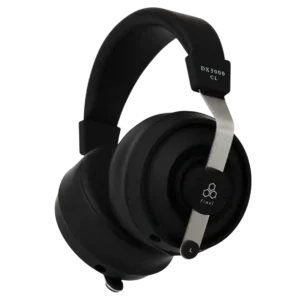
Passive isolation is strong for a wired closed-back, helped by the thick, conforming pads. It is not portrayed as class-leading, but it blocks enough outside sound for shared spaces and...
Pros: Overall recommendation, Instrument separation
Cons: Dynamic performance, 3.5mm analog input availability
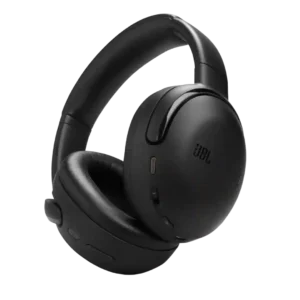
Passive isolation was praised as impressive and helpful even before active noise cancellation was enabled.
Pros: Sound quality, Dongle
Cons: Premium feel, Build quality
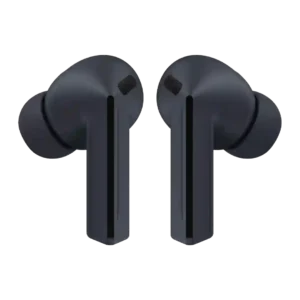
Passive isolation benefits from the sealed design, with reviewers citing meaningful isolation and better noise blocking than unsealed Buds models.
Pros: Value for money, Active noise cancellation
Cons: Multipoint connectivity reliability, Charging
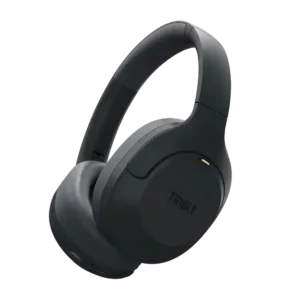
The earcups seal well even before ANC is switched on, cutting some outside distraction and giving the active cancellation a stronger starting point.
Pros: Value for money, Sound quality
Cons: Button control usability, App
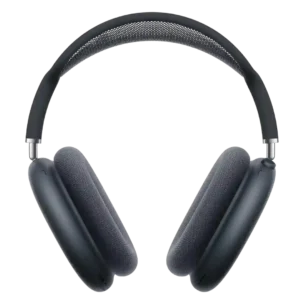
Passive isolation from the earcups helped ANC and was praised where fit fully enclosed the ears.
Pros: Active noise cancellation, Sound quality
Cons: Value for money, Carry case quality
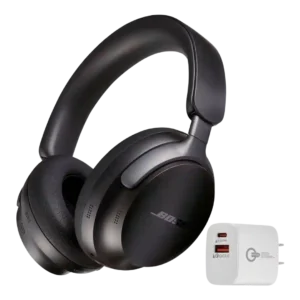
Reviewers treated noise isolation (passive) as a standout strength, with praise repeated across the supporting review evidence.
Pros: Active noise cancellation, Sound quality
Cons: Battery, Immersive audio quality
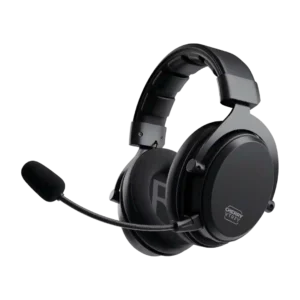
Passive isolation was praised in the YouTube review that discussed the closed over-ear seal.
Pros: Connectivity versatility, Sound quality
Cons: Equalizer customization, App
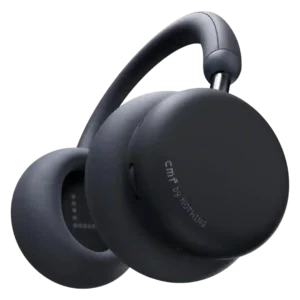
Passive isolation is consistently strong thanks to the large, well-sealing earcups. Even without ANC, the fit blocks a useful amount of surrounding noise and helps the active cancellation work more...
Pros: Sound quality, Active noise cancellation
Cons: Treble clarity, Equalizer customization
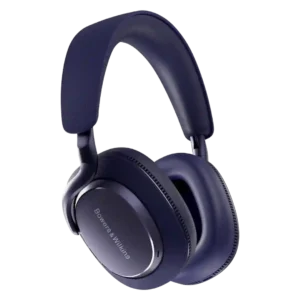
Passive isolation benefits from an easy seal and contributes meaningfully to noise reduction.
Pros: Sound quality, Active noise cancellation
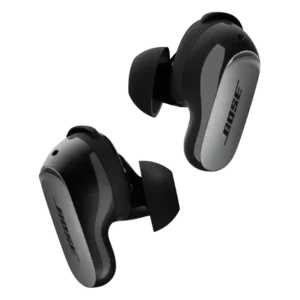
Passive isolation benefits from a tight seal and secure nozzle shape, with reviewers noting strong sealing and little noise bleed.
Pros: Active noise cancellation, Sound quality
Cons: Value for money, Battery
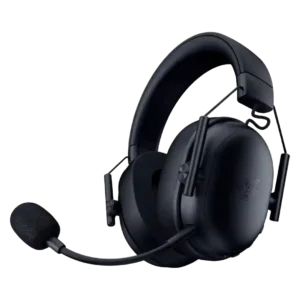
Passive isolation is usually effective, with many users saying the large cushions block substantial outside noise. One expert found the seal much leakier to exterior sound, so results may depend...
Pros: Overall satisfaction, Sound quality
Cons: Software/setup simplicity, Clamping force comfort
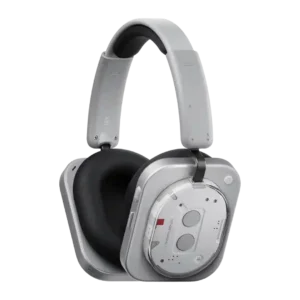
Passive isolation was a clear strength, with the ear pads and seal repeatedly helping noise reduction even before ANC.
Pros: Sound quality, Battery
Cons: Weight comfort, Soundstage width
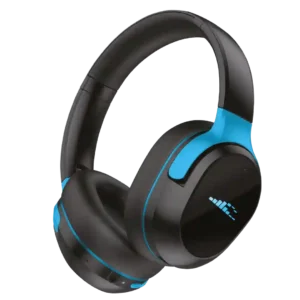
The thick over-ear cushions provide strong passive isolation before ANC is even engaged. That seal helps cut gym, travel, and office noise without using extra battery.
Pros: Water/sweat resistance rating, Comfort during long use
Cons: Value for money, Workout heat and sweat buildup
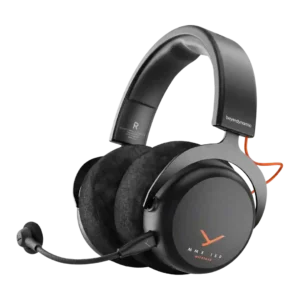
Passive isolation is consistently praised for reducing surrounding noise, though one review notes it does not handle droning noise like ANC.
Pros: Sound quality, Comfort during long use
Cons: Equalizer customization, Console compatibility limitations
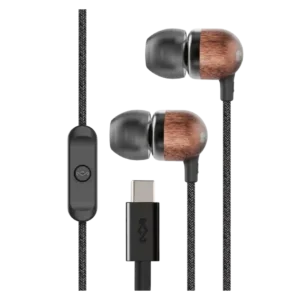
The in-ear seal does a good job reducing office chatter, gym noise, and higher-frequency distractions. Deep rumbles still pass through, but isolation is strong for an inexpensive wired earbud.
Pros: Overall satisfaction, Sound quality
Cons: Build quality, Bass performance
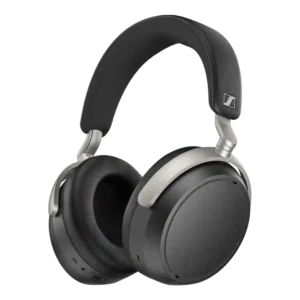
Passive isolation benefits from the deeper pads and seal, although heat retention and fit sensitivity can affect results.
Pros: Sound quality, Active noise cancellation
Cons: Premium feel, Multipoint connectivity reliability
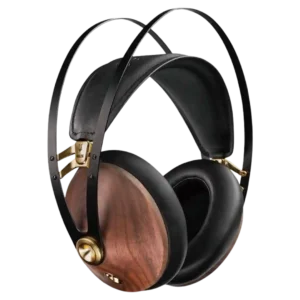
Passive isolation is one of the strongest points, often beating similarly priced closed-backs and making moderate background noise easy to ignore.
Pros: Overall satisfaction, Bass performance
Cons: Replaceable earpads
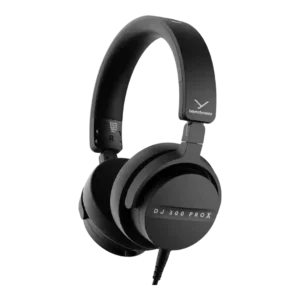
Passive isolation is consistently framed as strong or sufficient for loud DJ and studio environments, especially with the over-ear setup.
Pros: Bass performance, Detachable cable convenience
Cons: Comfort during long use
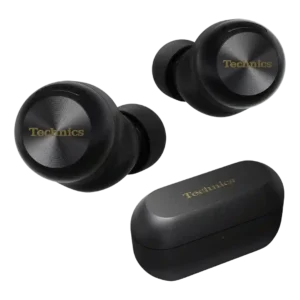
Passive isolation is viewed positively when the tips seal well, with reviewers noting isolation even before ANC is active.
Pros: Sound quality, Active noise cancellation
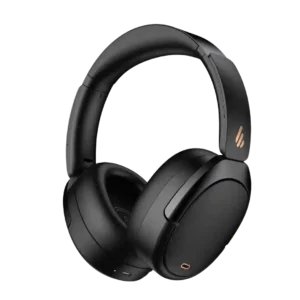
Passive isolation was praised through the protein-leather seal's ability to reduce outside noise.
Pros: Battery, Value for money
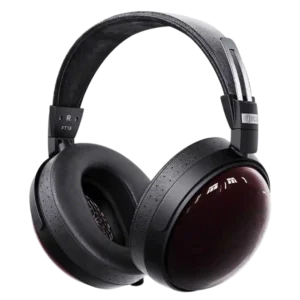
Passive isolation ranges from decent to very good when the fit seals properly, with pad choice making a noticeable difference. Poor coupling on smaller heads can reduce both isolation and...
Pros: Bass performance, Comfort during long use
Cons: Treble clarity, Midrange clarity
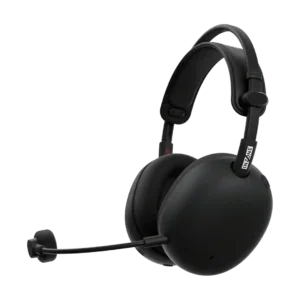
Passive isolation is decent but not especially cocooning because the headset uses a light clamp and breathable design. Most of the real quiet comes once ANC is enabled.
Pros: Overall satisfaction, Sound quality
Cons: Value for money, Battery
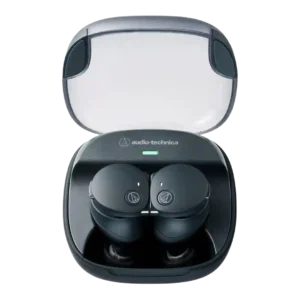
Passive isolation was usually strong when the seal fit well, though one review noted fit-related wind-noise leakage.
Pros: Battery, Bass performance
Cons: Button control usability, Active noise cancellation
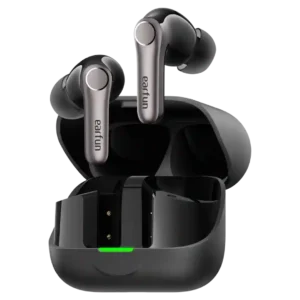
Passive isolation is a useful foundation for ANC. Reviewers who discussed the seal found it capable of blocking a fair amount of outside sound even before electronic cancellation is applied.
Pros: Value for money, Sound quality
Cons: Lossless audio support, Microphone noise reduction
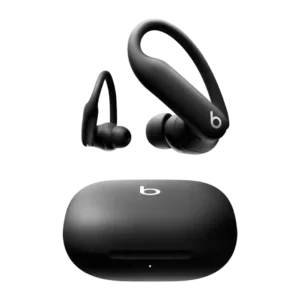
Passive isolation received positive evidence when the seal was secure, dulling low machinery and bike sounds.
Pros: Active noise cancellation, Battery
Cons: Carry case quality, Sensors
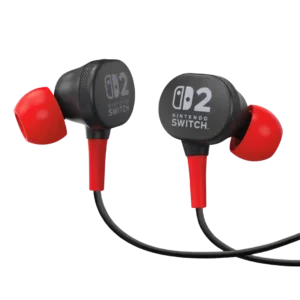
Passive isolation is described as decent, helping make private gaming sessions more secluded without active noise cancellation.
Pros: Overall satisfaction, Sound quality
Cons: Eartips fit, Stability
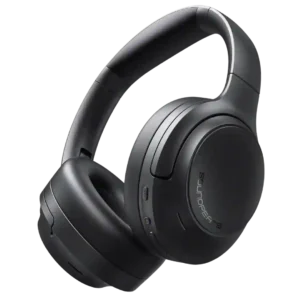
Passive isolation is already useful before ANC is engaged, reducing a noticeable amount of surrounding noise.
Pros: Overall satisfaction, Sound quality
Cons: Carry case quality, Transparency mode quality

Passive isolation was only discussed by one reviewer, who said the seal helped compensate for ANC that was not flagship-level.
Pros: AI transcription and summaries, Sound quality
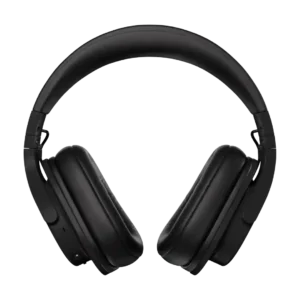
Passive isolation was considered substantial enough to reduce everyday noise, though not a full ANC substitute.
Pros: Overall recommendation, Value for money
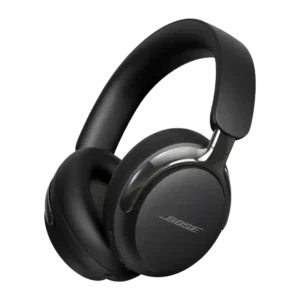
Passive isolation is considered useful and fairly good, but one reviewer notes the foam is not the thickest.
Pros: Active noise cancellation, Comfort during long use
Cons: Value for money, Equalizer customization
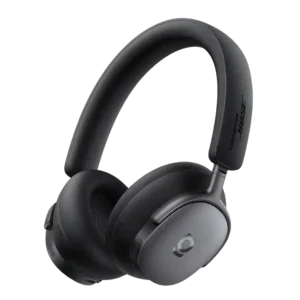
Passive isolation was mixed: several reviewers credited the seal for blocking sound, while one found almost no passive isolation.
Pros: Bass performance, Overall recommendation
Cons: Transparency mode quality, Immersive audio quality
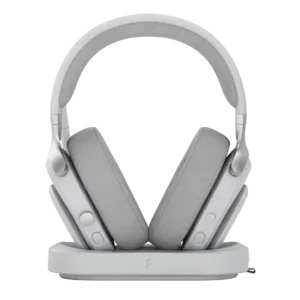
Passive isolation is mixed but often useful: some testers blocked traffic, workouts or room noise well enough without ANC, while others found the fabric pads let in more sound than...
Pros: Included stand quality, Overall satisfaction
Cons: Active noise cancellation, Volume output
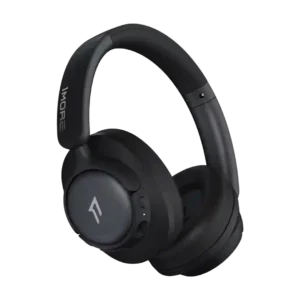
Passive isolation was decent overall, but one reviewer noted an imperfect seal while another praised low leakage and passive isolation.
Pros: Battery, Sound quality
Cons: Midrange clarity, Button control usability
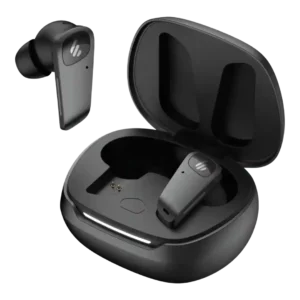
Passive isolation was described as decent with a proper fit, but the review evidence mainly focuses on ANC rather than unpowered isolation.
Pros: Sound quality, Bass performance
Cons: Value for money, Equalizer customization
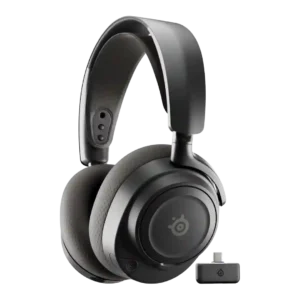
Passive isolation split reviewers: some found it useful for immersion, while others said voices, keyboards, and outside noise still came through.
Pros: Sound quality, Value for money
Cons: Dongle, Noise isolation (passive)
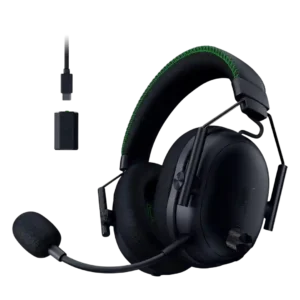
Passive isolation was mixed because the cloth pads and fit can leak noise, though one reviewer thought passive isolation was enough for typical gaming.
Pros: Microphone, Comfort during long use
Cons: Dongle, Software/setup simplicity
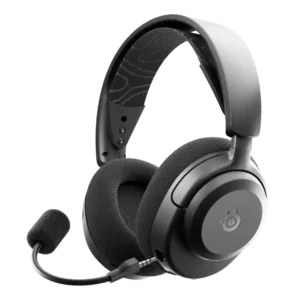
Passive isolation was acceptable for quieter rooms but not strong, with reviewers saying it blocked some outside sound while leaving plenty of awareness.
Pros: Value for money, Sound quality
Cons: Treble clarity, Noise isolation (passive)
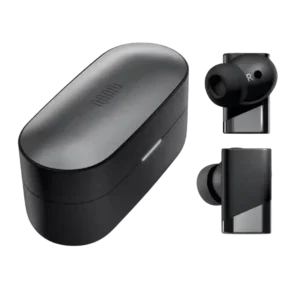
Passive isolation is only middling in the limited evidence, with one reviewer saying it is not horrible but not great.
Pros: Sound quality, Active noise cancellation
Cons: Sensors, Ear tip size options
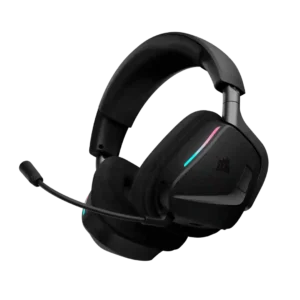
Passive isolation is one of the more variable traits. Some users like retaining awareness of the room, while others find the seal weak and say outside sound comes through too...
Pros: Overall satisfaction, Sound quality
Cons: Reliability, App
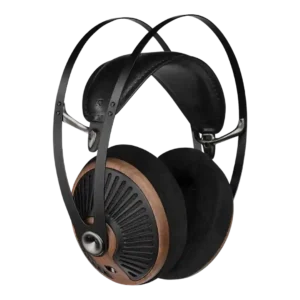
Isolation is minimal, as expected from an open-back headphone, though the rear damping provides a small amount of attenuation. It remains best suited to quiet rooms rather than noisy public...
Pros: Design and Aesthetics, Overall recommendation
Cons: Noise isolation (passive), Connectivity options

Passive isolation is a weak point in the limited evidence, with reviewers citing shallow-nozzle fit and imperfect isolation even when ANC helps overall.
Pros: Sound quality, Battery
Cons: Touch control responsiveness, Charging
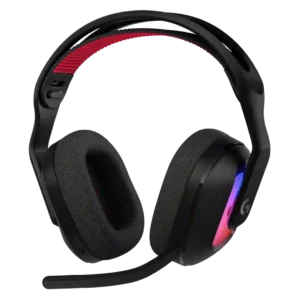
Passive isolation is inconsistent, ranging from adequate in quiet rooms to almost ineffective in noisy environments. The breathable fabric pads favor awareness and comfort over a tight acoustic seal.
Pros: Overall satisfaction, Sound quality
Cons: Fit/seal reliability, Multipoint connectivity reliability