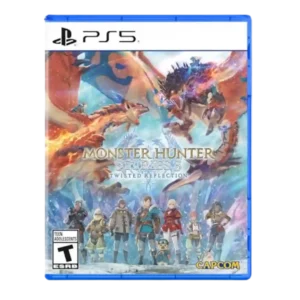
Invasive-monster encounters add satisfying puzzle-like preparation, asking players to gather clues and execute specific solutions rather than simply overpowering the target.
Pros: puzzle design, level design
Cons: crash stability, multiplayer design

Showing Gaming Products only. Switch back to all Video Games anytime.
Invasive-monster encounters add satisfying puzzle-like preparation, asking players to gather clues and execute specific solutions rather than simply overpowering the target.
Pros: puzzle design, level design
Cons: crash stability, multiplayer design
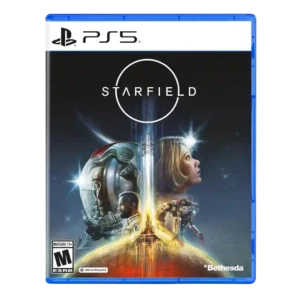
Puzzle design receives limited but strong praise through the lockpicking minigame.
Pros: puzzle design, sound design
Cons: accessibility options, AI behavior
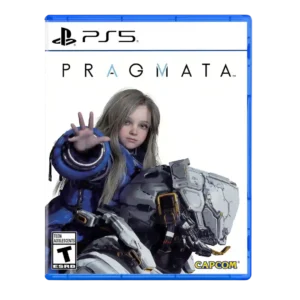
Puzzle design is praised for turning hacking grids into a real-time combat puzzle that feels fresh rather than a throwaway minigame.
Pros: bug frequency, user interface design
Cons: HUD clarity, mission design
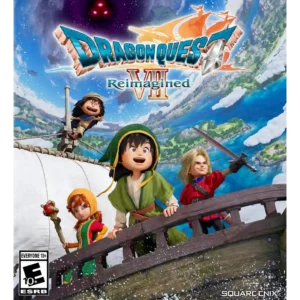
Puzzles are easy to read and rarely block progress, which suits beginners but leaves experienced players wishing for more demanding solutions.
Pros: atmosphere, voice acting
Cons: controls responsiveness, quest design
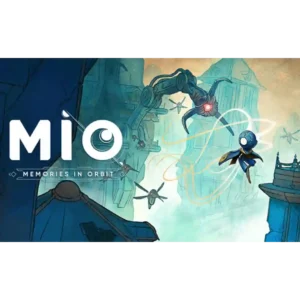
Traversal obstacle courses are demanding but rewarding, using Mio’s growing abilities in layered sequences that test timing, stamina management, and execution rather than traditional logic puzzles.
Pros: level design, content variety
Cons: checkpoint system, lore depth
Habitat construction worked as a light puzzle system, with simple environmental puzzles that made discovery satisfying.
Pros: protagonist appeal, faithfulness to franchise
Cons: map and navigation design, aiming precision
The strongest puzzles reward observation, experimentation, and lateral thinking rather than reflexes. Some solutions are overly specific or poorly hinted, creating occasional frustration.
Pros: platforming precision, protagonist appeal
Cons: pacing, co-op experience

Each rock face behaves like a physical puzzle, rewarding route reading, experimentation, and patient adjustment rather than a single prescribed solution.
Pros: open-world design, visual effects quality
Cons: frame rate stability, user interface design
The Donut Block Maker attraction and select avoidance challenges introduce simple but satisfying puzzle-like problems that fit naturally with Wonder’s platforming.
Pros: controls responsiveness, voice acting
Cons: matchmaking quality, user interface design
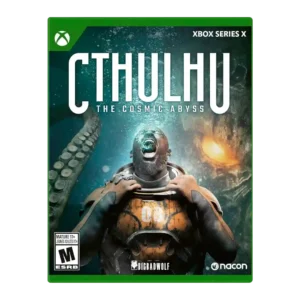
Puzzle reactions were the core split: many reviewers loved the demanding detective structure, while others found solutions obtuse, fiddly, or punishingly unclear.
Pros: world-building, world interactivity
Cons: enemy variety, stealth mechanics
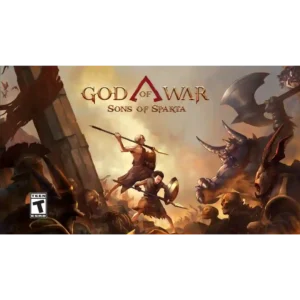
Puzzles are one of the strongest gameplay elements, especially once multiple godly tools and traversal abilities can be combined in environmental and platforming challenges.
Pros: accessibility options, checkpoint system
Cons: economy and resource balance, AI behavior
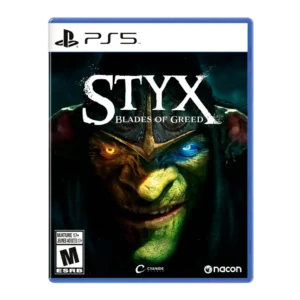
Levels often work like puzzle boxes, with multiple entrances, environmental solutions, and small Quartz obstacles that reward observation rather than a single prescribed route.
Pros: world-building, stealth mechanics
Cons: boss design, endgame content
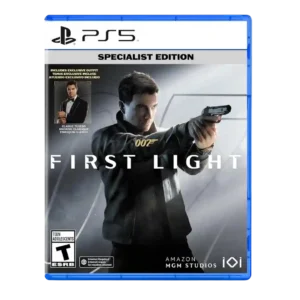
Puzzle-like infiltration earns limited but positive support, with one reviewer calling the layered entry method convoluted yet only one of several possible solutions.
Pros: level design, user interface design
Cons: AI behavior, facial animations
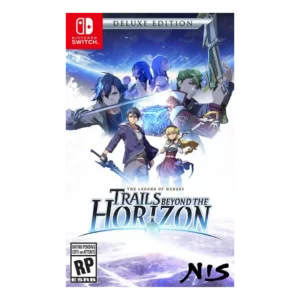
Puzzle design received limited but positive evidence, especially for the hacking maze puzzle minigame being called particularly fun.
Pros: facial animations, polish
Cons: grind level, stealth mechanics
Combination lockboxes provide simple environmental puzzles with worthwhile early rewards.
Pros: exploration quality, sandbox freedom
Cons: mission variety, companion AI
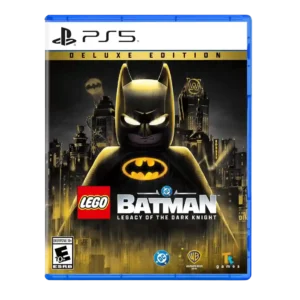
Puzzle evidence is mixed: one reviewer found puzzles too simple, while others praised gadget use and puzzle variety within missions.
Pros: pacing, core gameplay loop
Cons: companion AI, map and navigation design
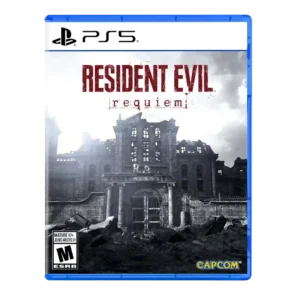
Puzzle design landed unevenly: one review liked the body-part riddles, while another said puzzles lacked focus overall.
Pros: driving mechanics, protagonist appeal
Cons: platform-specific feature support, checkpoint system
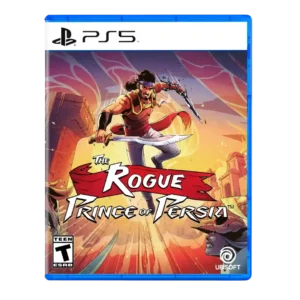
Puzzle elements were viewed as useful for variety, but one reviewer felt repeated setups lost impact.
Pros: crash stability, HUD clarity
Cons: character development, visual effects quality
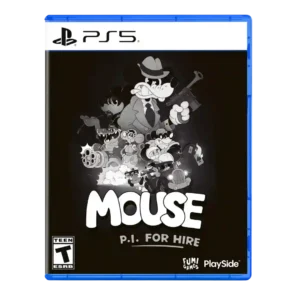
Tail-based lockpicking is clever and initially enjoyable, while the baseball card game offers a light diversion. Both can become repetitive, trivial, or unfair depending on progression.
Pros: lore depth, user interface design
Cons: AI behavior, aiming precision

Rewind-based investigation occasionally produces clever, satisfying problems, but most puzzles are simple, sparse, and rarely test the player for long.
Pros: level design, accessibility options
Cons: world-building, haptic feedback integration
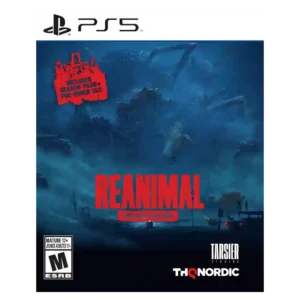
Puzzle design is one of the most mixed areas: some found the puzzles organic or balanced, while others thought they were too simple or underdeveloped.
Pros: onboarding experience, environmental detail
Cons: family friendliness, movement feel
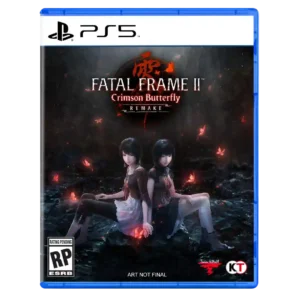
Puzzles provide welcome breaks from combat and generally fit classic survival horror, but some are simple while chase-related problem solving can become trial and error.
Pros: writing quality, checkpoint system
Cons: bug frequency, HUD clarity
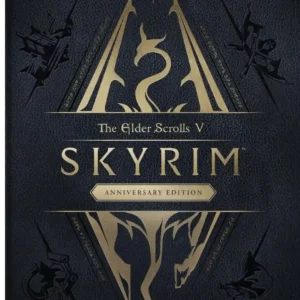
Dungeon puzzles can be memorable early on, but several sources find traps and puzzle patterns overused or too simple across a very long campaign.
Pros: gameplay mechanics, core gameplay loop
Cons: camera behavior, haptic feedback integration
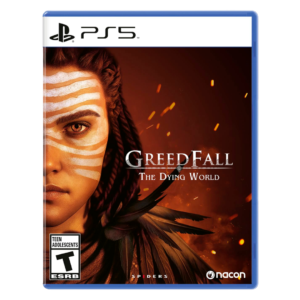
A few environmental riddles and dungeons provide welcome variety, but some puzzles are so heavily signposted that they barely require deduction.
Pros: mission design, sandbox freedom
Cons: movement feel, aiming precision
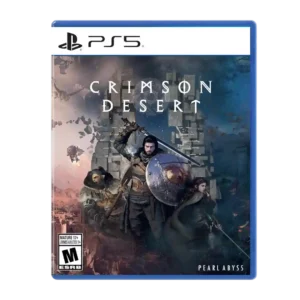
Reviewer evidence is negative or mixed: puzzle design was often criticized, even where some reviewers found redeeming moments across 9 review(s).
Pros: level design, replay value
Cons: stealth mechanics, save system reliability
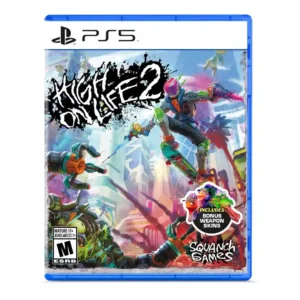
Puzzles range from clever murder-mystery and weapon-ability standouts to tedious, overused roadblocks that interrupt the action.
Pros: tutorial quality, monetization fairness
Cons: polish, HUD clarity
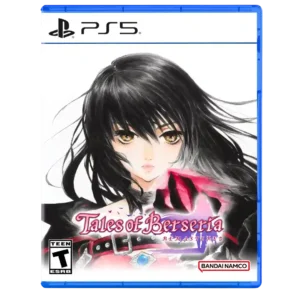
Dungeon puzzles are usually considered simple or underdeveloped, with only occasional later sections standing out positively.
Pros: crafting system, content variety
Cons: monetization fairness, endgame content

Subspace puzzles are usually viewed as simple rather than clever, and their growing length can turn them into a chore. The asylum’s horror puzzles are a notable positive exception.
Pros: world interactivity, immersion
Cons: AI behavior, handheld play suitability
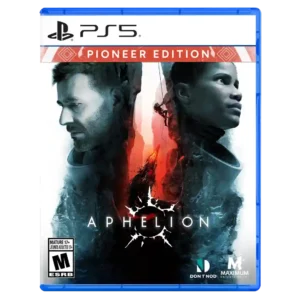
Most puzzles amount to simple scanning, passcodes, or ordered interactions and rarely demand much thought.
Pros: HUD clarity, onboarding experience
Cons: user interface design, menu usability
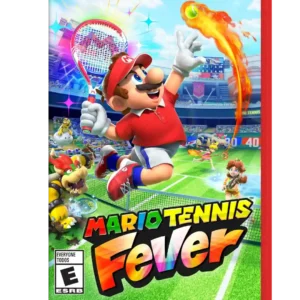
Adventure's puzzles are repeatedly described as very light or nearly nonexistent. Reviewers wanting meaningful problem-solving found little beyond simple tennis-based interactions and boss mechanics.
Pros: facial animations, load times
Cons: exploration quality, puzzle design
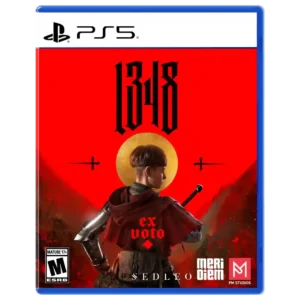
Puzzles rarely rise beyond moving boxes, cutting ropes, or finding a simple traversal route. Reviewers generally see them as filler rather than a meaningful second pillar beside combat.
Pros: visual effects quality, horror tension
Cons: aiming precision, stealth mechanics