#1
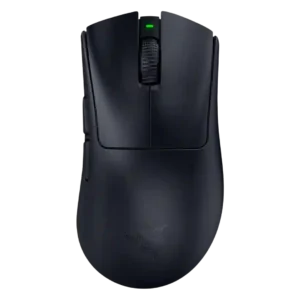
Overall: 4.2/5
The Focus Pro 45K sensor drew very strong praise for smoothness, precision, and faultless tracking, though several reviewers noted its headline DPI is overkill.
Pros: battery life, scroll wheel quality
Cons: value for money, click noise
#2
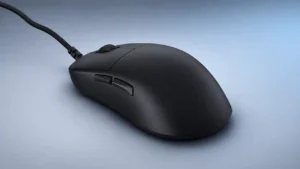
Overall: 4.3/5
The sensor delivers excellent tracking and very low motion delay, with unusually flexible lift-off and angle controls.
Pros: responsiveness, sensor performance
Cons: Cable drag, polling rate
#3
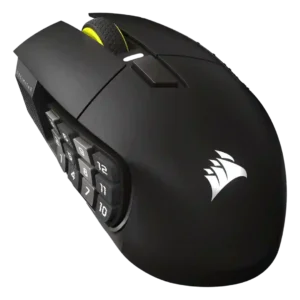
Overall: 4.4/5
Sensor performance was broadly praised as precise, responsive, and strong, even when reviewers noted the mouse is not designed primarily for FPS play.
Pros: button customization, MMO gaming suitability
Cons: FPS gaming suitability
#4
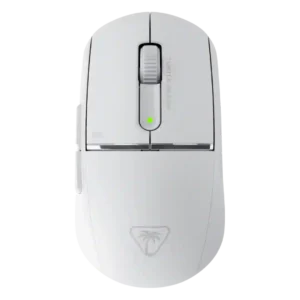
Overall: 4.3/5
Sensor performance was a major strength, with praise for smooth, stable, accurate tracking and only minor caveats in one review at low battery.
Pros: battery life, weight
Cons: click noise, left and right click quality
#5
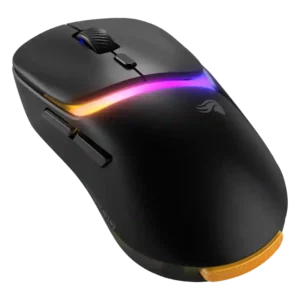
Overall: 4.3/5
Sensor performance was praised for precision, speed, and dependable tracking in practical gaming use.
Pros: charging convenience, software usability
Cons: RGB features, value for money
#6
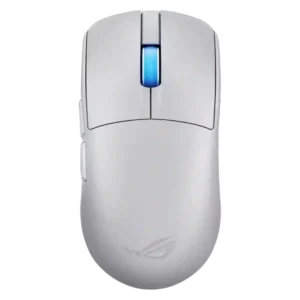
Overall: 4.6/5
Sensor feedback was highly positive overall, with reviewers reporting precise or flawless tracking and only mild caveats that extreme DPI is mostly beyond normal use.
Pros: glide smoothness, weight
Cons: handedness options
#7
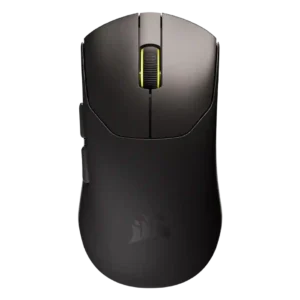
Overall: 3.6/5
Sensor performance was one of the strongest areas: most reviewers reported flawless, consistent, or top-tier tracking, while one technical review rated it good overall.
Pros: build quality, weight
Cons: software usability, battery life
#8
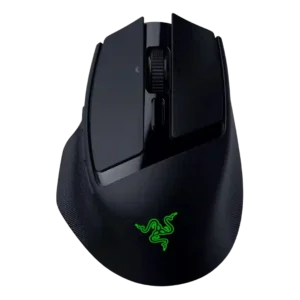
Overall: 4.1/5
The 18K optical sensor was praised for precise, reliable performance without jitter in the reviewed testing contexts.
Pros: ergonomic design, scroll wheel quality
Cons: AI Prompt Master, click noise
#9
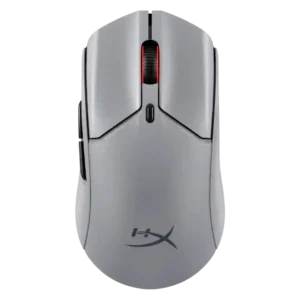
Overall: 4.2/5
The sensor was treated as a strong point: reviewers called it fast, precise, responsive, and more than enough for twitchy FPS use.
Pros: weight, battery life
Cons: value for money
#10
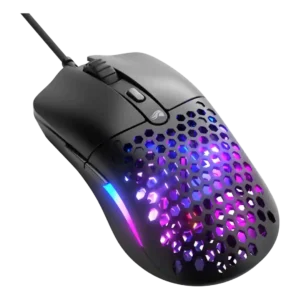
Overall: 4.2/5
Sensor performance was consistently strong in practice, with reviewers reporting no skips, reliable operation, and potent performance for the price.
Pros: value for money, weight
Cons: cable flexibility
#11
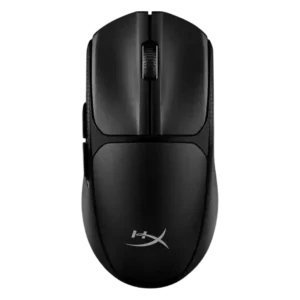
Overall: 3.7/5
Sensor performance was praised as solid and reliable, with reviewers tying the Pixart sensor to dependable gaming behavior.
Pros: switch feel, weight
Cons: RGB features, handedness options
#12
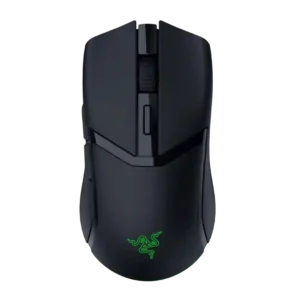
Overall: 4.1/5
Most reviewers found the Focus X 26K sensor strong enough for real gaming use, though several noted it is not Razer's top-tier sensor.
Pros: weight, value for money
Cons: click noise, AI Prompt Master
#13
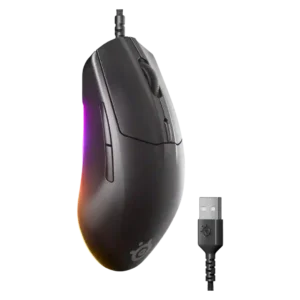
Overall: 4.1/5
Sensor performance was broadly positive for a budget mouse, with snappy response, smooth tracking, and satisfying gaming performance.
Pros: cable flexibility, value for money
Cons: premium feel
#14
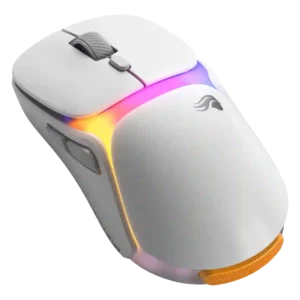
Overall: 3.8/5
Sensor impressions were generally strong, with reviewers separating sensor quality from wireless consistency concerns and praising real-world precision.
Pros: charging convenience, shape comfort
Cons: value for money, weight
#15
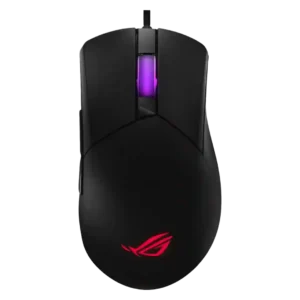
Overall: 4.2/5
Sensor sentiment was mostly positive, ranging from steady and lag-free to more than sufficient or flawless, with one wired review noting lower sensor performance.
Pros: button responsiveness, shape comfort
#16
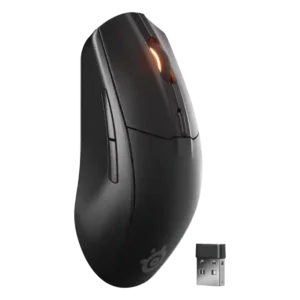
Overall: 3.9/5
The sensor was usually judged good enough and responsive for casual gaming, but several reviewers called it older, average, or behind higher-end sensors.
Pros: battery life, value for money
Cons: weight, RGB features
