If you want better weight
Choose Corsair M75 AIR Wireless. It scores 4.7 vs 2.9 for weight, with a 3.8 overall score.

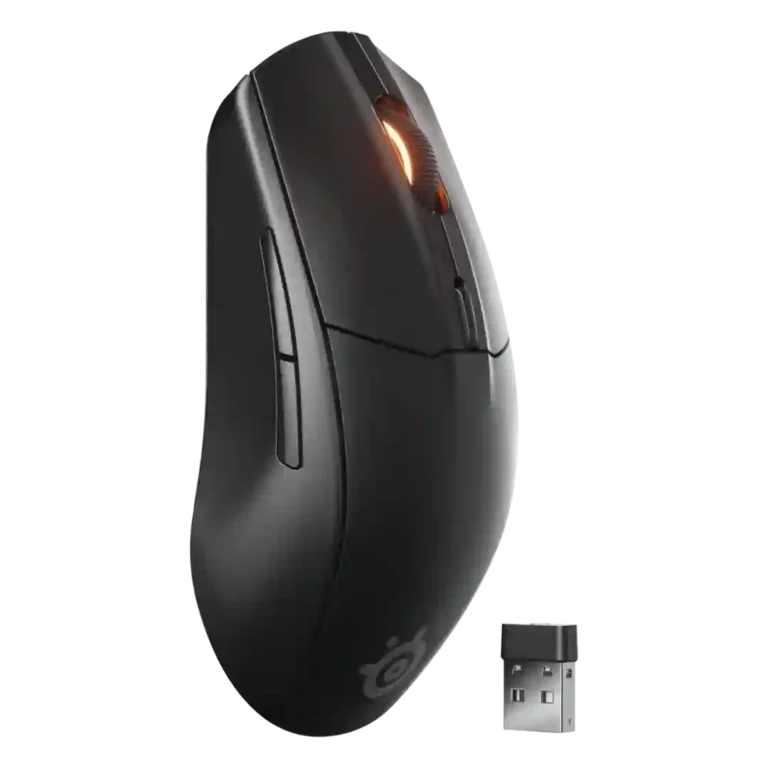
Choose it if you want an affordable wireless mouse with huge battery life, dual 2.4GHz/Bluetooth, solid comfort, and easy software. Skip it if you need ultralight competitive FPS speed, rich RGB, or larger side buttons.
Best for casual gamers, students, travelers, and work-and-play users who want long battery life, dual wireless connections, solid comfort, and useful software without spending much.
Not for competitive FPS players chasing ultralight weight, 4K/8K polling, newer sensors, adjustable lift-off distance, rich RGB, or a rechargeable built-in battery.
The SteelSeries Rival 3 Gen 2 Wireless lands as a capable budget all-rounder rather than a specialist esports mouse. Reviewers repeatedly praised its battery life, dual wireless modes, sturdy build, comfortable low-profile shape, and useful SteelSeries GG customization. The tradeoff is physical: replaceable AAA batteries make endurance strong and travel simple, but they also add weight and rear drag that several reviewers felt during fast flicks. Its sensor, 1,000Hz polling, and click latency were usually good enough for casual shooters and everyday work, while competitive players were steered toward lighter mice with newer sensors, higher polling, better side buttons, and richer RGB.
Compared with other Gaming Mice, this product is above average in weight tuning, value for money, Bluetooth support, near average in battery life, FPS gaming suitability, below average in balance and weight distribution, weight, RGB features.
| Attribute | This product | Category average | Difference |
|---|---|---|---|
| balance and weight distribution | 2.6 | 4.1 | -1.6 |
| weight | 2.9 | 4.1 | -1.3 |
| weight tuning | 4.1 | 2.8 | +1.3 |
| RGB features | 2.5 | 3.6 | -1.2 |
| lift-off distance | 2.5 | 3.8 | -1.3 |
| side button quality | 2.8 | 3.7 | -1.0 |
| connection stability | 3.6 | 4.5 | -0.9 |
| MOBA gaming suitability | 2.8 | 3.9 | -1.1 |
Choose Corsair M75 AIR Wireless. It scores 4.7 vs 2.9 for weight, with a 3.8 overall score.
Choose Logitech G305 Lightspeed. It scores 4.9 vs 3.6 for connection stability, with a 4.0 overall score.
Choose Logitech G PRO X Superlight 2 DEX. It scores 4.8 vs 3.9 for sensor performance, with a 4.1 overall score.
Choose Logitech G Pro Wireless. It scores 5.0 vs 3.8 for polling rate, with a 4.3 overall score.
Products reviewers directly compared with this model, grouped into quick takeaways.
Yes for casual gaming and everyday shooters. Reviewers found it responsive and accurate enough for most players, but not the best pick for competitive esports.
Battery life was one of the most praised traits. Reviewers highlighted hundreds of hours from one or two AAA batteries, with rechargeable AAA support helping reduce recurring costs.
Many reviewers called it heavy by modern wireless gaming standards, especially with two AAA batteries. Some found it manageable or even comfortable, but the weight is the main tradeoff.
Most reviewers liked Bluetooth for laptops, tablets, travel, and battery savings. One reviewer had pairing trouble, and several treated 2.4GHz as the better mode for gaming.
The wireless model has very limited indicator lighting rather than full customizable RGB. Reviewers generally saw this as a limitation, though some accepted it as a battery-life tradeoff.
Reviewers favored fingertip and claw grips. Palm grip was more mixed because the mouse is low, short, or narrow for some hands.
These are a few of the reviews included in our analysis.





Choose the ROG Harpe II Ace for ultralight FPS play, precise tracking, smooth glide, and web-based tuning. Skip it if you need palm-grip support, MMO buttons, onboard profiles, or long...
Pros: glide smoothness, weight
Cons: handedness options
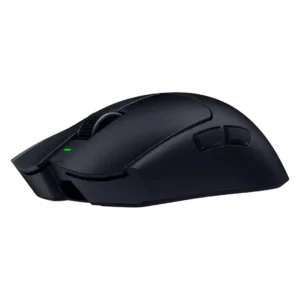
Best for ultra-light, competition-focused speed, precise tracking, stable wireless, and long battery life. Skip it if you need quieter clicks, left-handed support, Bluetooth, more buttons, or better value for casual...
Pros: value for money, weight
Cons: click noise, RGB features
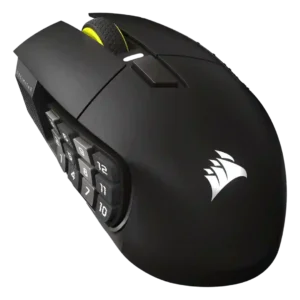
Choose it if you want a premium MMO/productivity mouse with 12 adjustable side buttons, strong battery life, and Stream Deck integration. Skip it if you need an ultralight FPS mouse,...
Pros: button customization, MMO gaming suitability
Cons: FPS gaming suitability
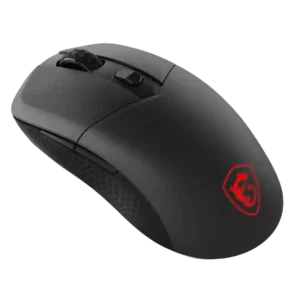
Best for precise wireless tracking, smooth glide, strong battery life, and unusually good 8K value. Skip it if you need polished software, quiet snappy clicks, true left-handed controls, or gentle...
Pros: software usability, sensor performance
Cons: RGB features, scroll wheel quality