
Desk space efficiency was a clear strength, with reviewers valuing the smaller footprint for extra mouse room and cleaner setups.
Pros: gaming performance, switch feel
Cons: value for money, extra gaming features

Desk space efficiency was a clear strength, with reviewers valuing the smaller footprint for extra mouse room and cleaner setups.
Pros: gaming performance, switch feel
Cons: value for money, extra gaming features

Desk space efficiency was praised by one reviewer who liked the Mac Magic Keyboard-like footprint for a compact workspace.
Pros: build quality, switch feel
Cons: switch options

The compact design is praised for saving desk space and leaving more room for mouse movement or small-desk setups.
Pros: portability, value for money
Cons: software quality, key spacing

Reviewers consistently said the 75% layout frees up desk and mouse space while preserving useful keys.
Pros: software quality, switch feel
Cons: legend visibility, extra gaming features

Desk space efficiency was viewed positively because the compact full-size layout saves width and gives more mouse-side room.
Pros: size and form factor, typing feel
Cons: switch options, portability

The 75% layout was praised for saving desk space while retaining essentials, though some users missed larger layouts.
Pros: value for money, design aesthetics
Cons: cable quality, ergonomics

The 75% layout was praised for balancing compactness with usability and fitting smaller desks while keeping essential controls.
Pros: value for money, software quality
Cons: switch options, ergonomics
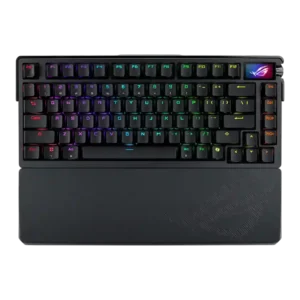
Desk space efficiency was supported by the 75% layout balancing compactness with practical functionality.
Pros: build quality, customization options
Cons: value for money, rapid trigger support
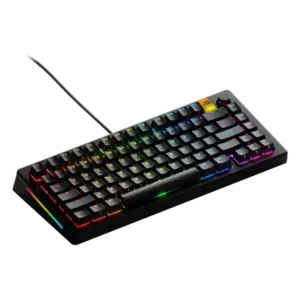
Desk space efficiency was supported by praise for the compact yet functional 75% layout.
Pros: customization options, software quality
Cons: value for money, materials quality
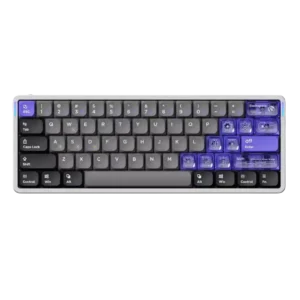
Desk space efficiency was praised for freeing mouse space in gaming setups.
Pros: software quality, switch feel
Cons: connectivity, layout options
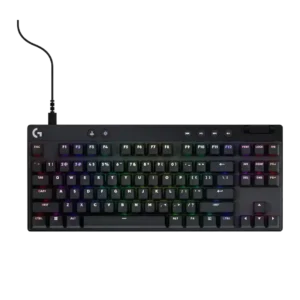
Compact TKL and 60% layouts are repeatedly praised for freeing mouse space and maximizing smaller desks.
Pros: build quality, software quality
Cons: value for money, hot-swappable switches

The TKL layout was treated as a useful space saver for mouse movement and cleaner desks, especially for users who do not need a numpad.
Pros: switch feel, battery life
Cons: volume control, media controls

Desk space efficiency is strongest on the 75% model, which reviewers say saves space while retaining important keys and improving wrist placement.
Pros: typing feel, gaming performance
Cons: software quality, value for money
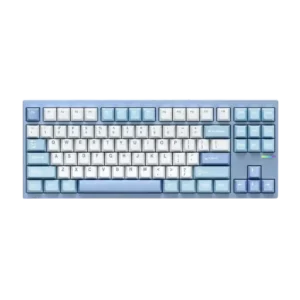
Desk space efficiency was positive in one review, which liked that TKL saves space while leaving room for an optional macro pad.
Pros: customization options, build quality
Cons: connectivity

Desk space efficiency depended on layout: TKL models were praised for saving space, while the full-size model was criticized for taking more room.
Pros: value for money, battery life
Cons: hot-swappable switches, noise level

Desk-space efficiency was polarizing: full-size models consumed space, while Mini and TKL versions freed up room.
Pros: value for money, rapid trigger support
Cons: media controls, stabilizer quality
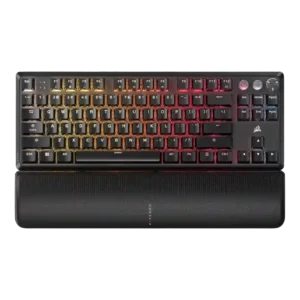
Desk space efficiency was context-dependent; stable rubber feet helped, but some reviewers noted sliding feet or full-size bulk.
Pros: value for money, keycap quality
Cons: polling rate, acoustics
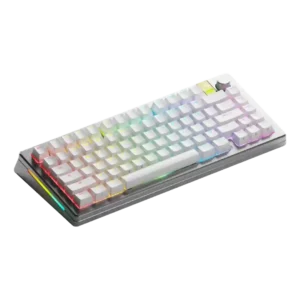
Desk space efficiency was limited by the keyboard’s weight, which made moving it aside for desk activities less convenient.
Pros: customization options, gaming performance
Cons: value for money, software quality