Best for weather resistance
Anker SOLIX E10
5.0 feature score
Highest scored product for this feature based on supporting review evidence.

Highest scored product for this feature based on supporting review evidence.
Balances feature score, supporting reviews, and overall product strength.
Has the broadest review evidence for this feature.
Strongest overall product among items with scored evidence for this feature.
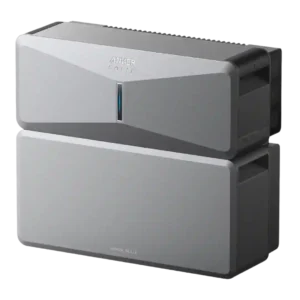
Outdoor durability earns consistent praise. Reviewers repeatedly cite IP66/NEMA-style weather protection and successful use across rain, snow, heat, and cold.
Pros: rated output, surge capacity
Cons: outlet selection, AC outlet count
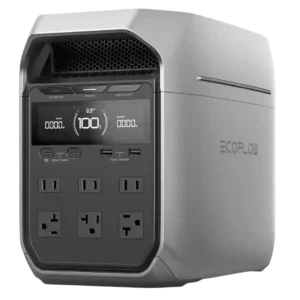
The protected battery pack and sturdy casing add confidence for outdoor use, but the complete station should still be sheltered.
Pros: rated output, peak output
Cons: 30-amp output, parallel operation support
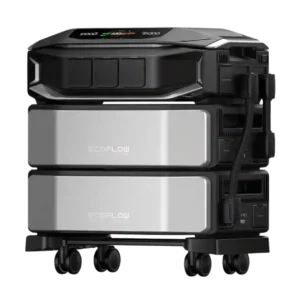
Environmental protection and battery heating improve confidence for garage and utility-space installations, though the system is still primarily presented as home energy equipment rather than an exposed outdoor generator.
Pros: output stability, voltage regulation
Cons: solar cable compatibility, UPS functionality
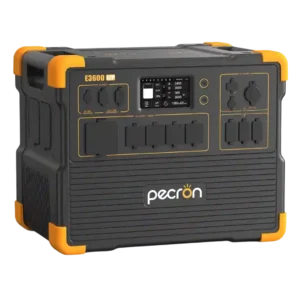
A sheltered unit operated outdoors for a full year without weather-related trouble, though it was kept away from direct rain.
Pros: power output, rated output
Cons: output stability, voltage regulation
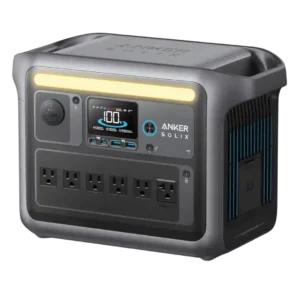
The station survived rough outdoor use in several accounts, but reviewers still recommend protection from direct rain where no clear IP rating is stated.
Pros: power output, rated output
Cons: dual-input charging, cable storage
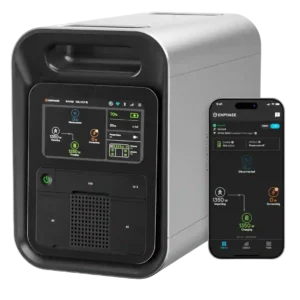
The station is designed for temporary outdoor use and handles common weather conditions, but it should not be treated as permanently weatherproof.
Pros: rated output, output stability
Cons: runtime at full load, RV outlet
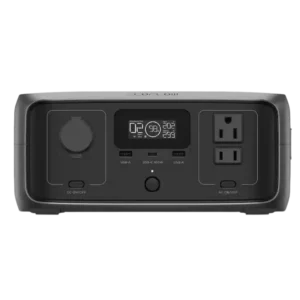
The unit is suitable for sheltered outdoor use and light splashes, not prolonged rain or full exposure.
Pros: noise level, idle noise
Cons: self-discharge rate, air travel suitability
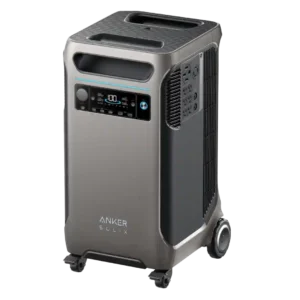
The system performed through a severe snowstorm, but the station itself lacks meaningful rain protection and should not be operated exposed to wet weather.
Pros: rated output, output stability
Cons: car charging speed, USB-A ports
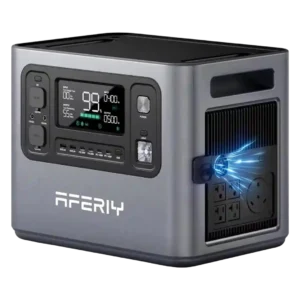
Port flaps provide limited splash protection, but the lack of a formal waterproof or dustproof rating calls for sheltered use.
Pros: rated output, peak output
Cons: app connectivity, voltage regulation
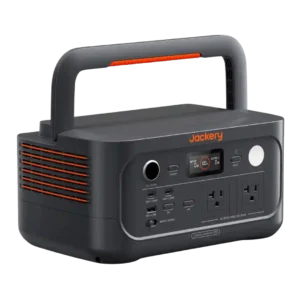
Outdoor use is fine in fair conditions, but rain and temperature extremes call for added protection.
Pros: output stability, pure sine wave output
Cons: remaining runtime estimate, Bluetooth connectivity
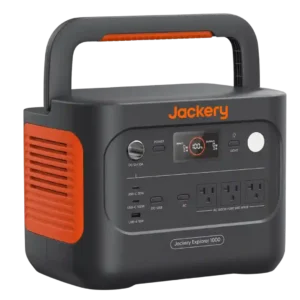
Rugged construction helps outdoors, but the unit is not weatherproof and should be brought under cover when conditions turn wet.
Pros: rated output, peak output
Cons: standby power loss, specification accuracy
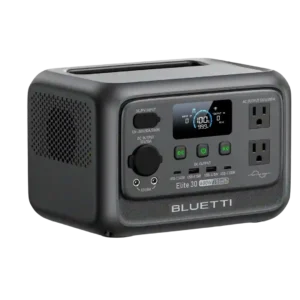
Outdoor use is best limited to dry, sheltered conditions. The unit should not be left exposed during rainstorms.
Pros: rated output, output stability
Cons: over-voltage protection, cold-weather performance
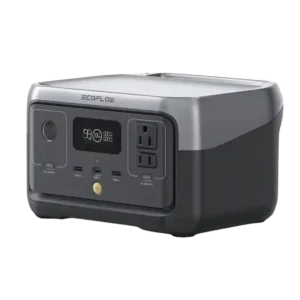
It tolerates normal sheltered outdoor use, but rain, wet ground, and exposed conditions require extra protection.
Pros: surge capacity, output stability
Cons: dual-input charging, whole-home integration
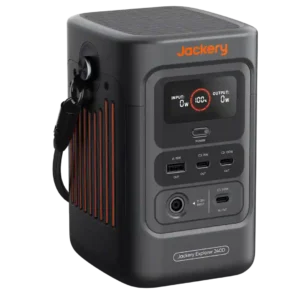
The enclosure is not meaningfully rainproof. Despite outdoor positioning, it should be protected from moisture and wet ground.
Pros: power output, rated output
Cons: AC outlet count, repairability
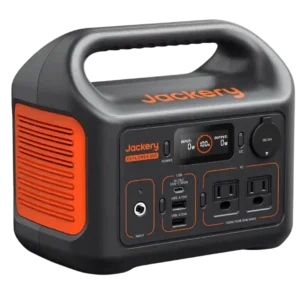
Outdoor use is practical only when sheltered; reviewers explicitly caution against relying on it in rain.
Pros: output stability, voltage regulation
Cons: battery expandability, water resistance
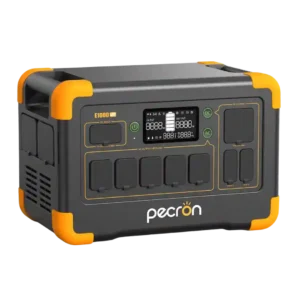
Its open ventilation and need for a dry environment make it poorly suited to unprotected exposure in rain, dust, or harsh weather.
Pros: inverter quality, LiFePO4 battery
Cons: idle noise, built-in light
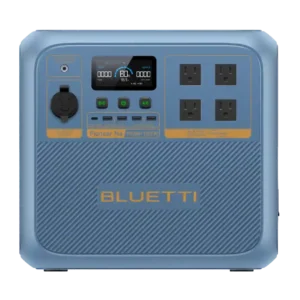
This is a major weakness for a winter-focused product: snow, ice, and condensation can collect around fans and ports and even trigger protective shutdowns.
Pros: pure sine wave output, startup performance
Cons: MPPT controller performance, battery expandability
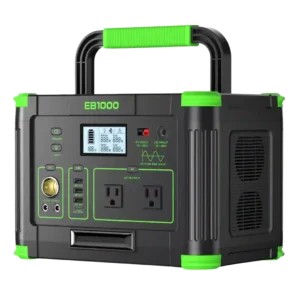
Weather resistance is weak because the station is not weatherproof and its uncovered outlets are exposed during outdoor use.
Pros: rated output, output stability
Cons: battery expandability, startup reliability
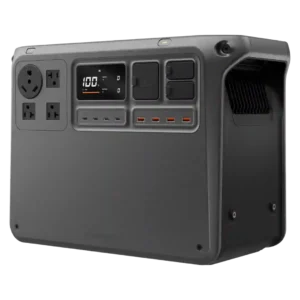
Uncovered ports and limited weather claims make rain exposure a poor idea despite internal moisture protections.
Pros: rated output, peak output
Cons: startup reliability, full-load noise
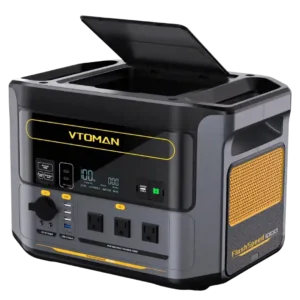
The base station lacks the outdoor weather protection some buyers expect from camping-focused equipment.
Pros: inverter quality, power quality
Cons: Wi-Fi connectivity, weather resistance
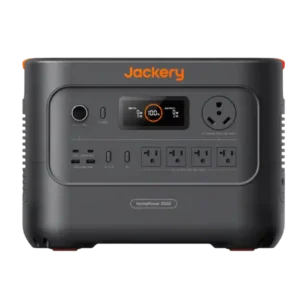
The exposed sockets have no ingress protection, so the station should be kept sheltered from weather.
Pros: power output, rated output
Cons: battery expandability, car charging speed