#1
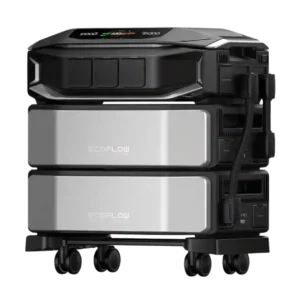
Environmental protection and battery heating improve confidence for garage and utility-space installations, though the system is still primarily presented as home energy equipment rather than an exposed outdoor generator.
Pros: output stability, voltage regulation
Cons: solar cable compatibility, UPS functionality
#2
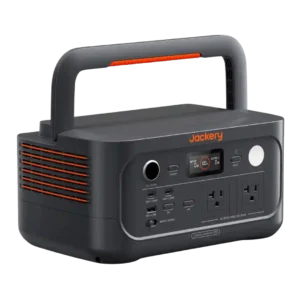
Outdoor use is fine in fair conditions, but rain and temperature extremes call for added protection.
Pros: output stability, pure sine wave output
Cons: remaining runtime estimate, Bluetooth connectivity
#3
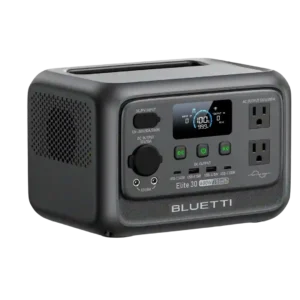
Outdoor use is best limited to dry, sheltered conditions. The unit should not be left exposed during rainstorms.
Pros: rated output, output stability
Cons: over-voltage protection, cold-weather performance
#4
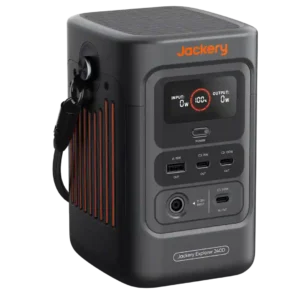
The enclosure is not meaningfully rainproof. Despite outdoor positioning, it should be protected from moisture and wet ground.
Pros: power output, rated output
Cons: AC outlet count, repairability
#5
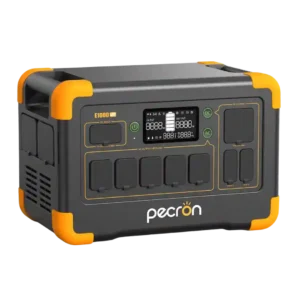
Its open ventilation and need for a dry environment make it poorly suited to unprotected exposure in rain, dust, or harsh weather.
Pros: inverter quality, LiFePO4 battery
Cons: idle noise, built-in light
#6
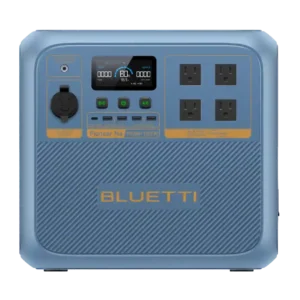
This is a major weakness for a winter-focused product: snow, ice, and condensation can collect around fans and ports and even trigger protective shutdowns.
Pros: pure sine wave output, startup performance
Cons: MPPT controller performance, battery expandability
#7
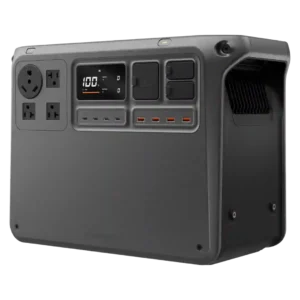
Uncovered ports and limited weather claims make rain exposure a poor idea despite internal moisture protections.
Pros: rated output, peak output
Cons: startup reliability, full-load noise
