Best for water resistance
Anker SOLIX E10
5.0 feature score
Highest scored product for this feature based on supporting review evidence.

Highest scored product for this feature based on supporting review evidence.
Balances feature score, supporting reviews, and overall product strength.
Has the broadest review evidence for this feature.
Strongest overall product among items with scored evidence for this feature.
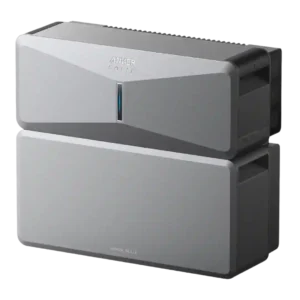
Rain exposure is not a practical concern for the weather-rated hardware; one tester simply described leaving it in the rain as 'no problem.'
Pros: rated output, surge capacity
Cons: outlet selection, AC outlet count
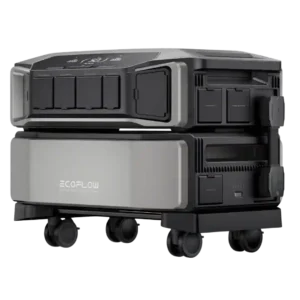
IP54 protection is viewed positively for garage and utility-room use, adding protection against dust and incidental water splashes.
Pros: power quality, simultaneous device support
Cons: battery percentage accuracy, firmware updates
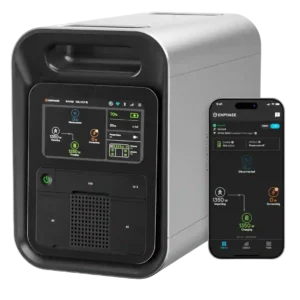
Gasketed port covers and outdoor certification inspire confidence against light rain and moisture, though some testers still avoid prolonged exposure.
Pros: rated output, output stability
Cons: runtime at full load, RV outlet
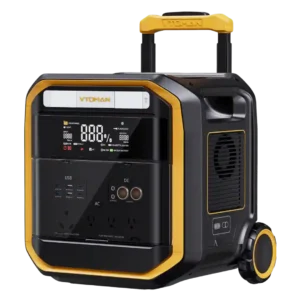
Covered input and output panels provide useful protection from drips and light rain, though reviewers still caution against operating it in wet weather.
Pros: power output, surge capacity
Cons: specification accuracy, peak output
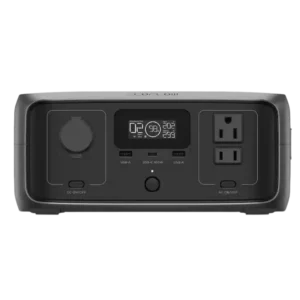
The IP54-rated battery system tolerates splashes, but the exposed ports are not waterproof.
Pros: noise level, idle noise
Cons: self-discharge rate, air travel suitability
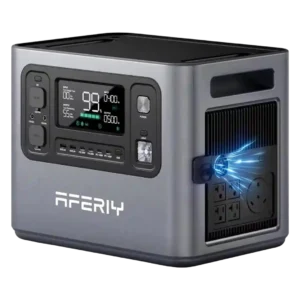
Rubber port flaps provide useful splash protection, but the unit does not have a full waterproof rating.
Pros: rated output, peak output
Cons: app connectivity, voltage regulation
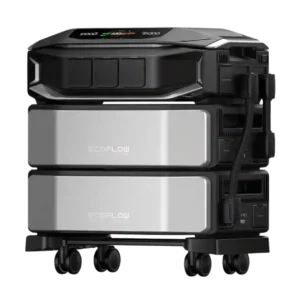
The system is described as mildly water-resistant rather than fully weatherproof. That is useful protection for covered utility or garage environments, but it is not presented as a leave-it-exposed outdoor...
Pros: output stability, voltage regulation
Cons: solar cable compatibility, UPS functionality
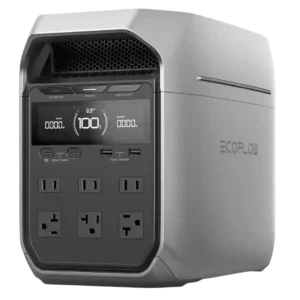
The battery pack is IP65-rated, not the entire power station, so rain and water exposure remain risky.
Pros: rated output, peak output
Cons: 30-amp output, parallel operation support
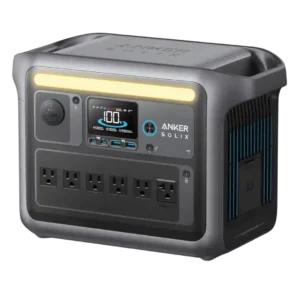
Outdoor durability reports are positive, but sources conflict on formal weather ratings and some variants lack an IP rating. Keeping it sheltered remains prudent.
Pros: power output, rated output
Cons: dual-input charging, cable storage
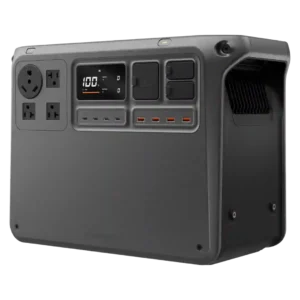
Internal moisture protections offer some reassurance, but uncovered ports and limited ratings make wet-weather use inadvisable.
Pros: rated output, peak output
Cons: startup reliability, full-load noise
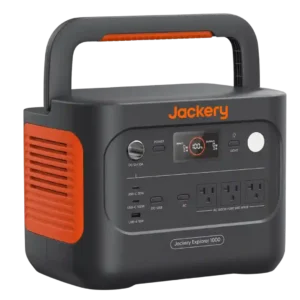
The station itself is not waterproof and needs shelter from rain, despite some tolerance for light splashes.
Pros: rated output, peak output
Cons: standby power loss, specification accuracy
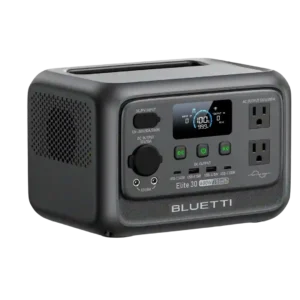
The station is not waterproof and lacks a meaningful outdoor IP rating. It should be kept inside a tent, vehicle, or protective case when rain is possible.
Pros: rated output, output stability
Cons: over-voltage protection, cold-weather performance
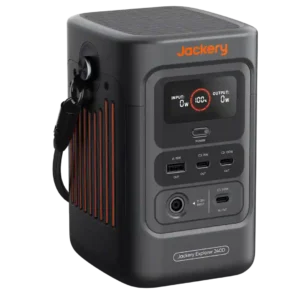
The available IP20 assessment offers no meaningful rain protection. Outdoor users should keep the station dry.
Pros: power output, rated output
Cons: AC outlet count, repairability
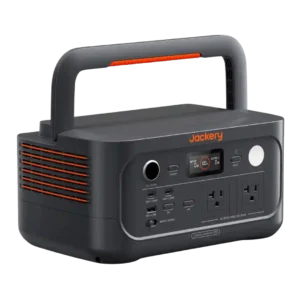
Water protection is limited; the unit should be kept sheltered if rain starts.
Pros: output stability, pure sine wave output
Cons: remaining runtime estimate, Bluetooth connectivity
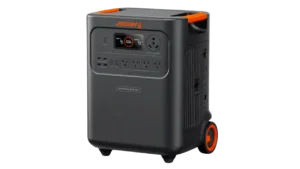
The power station itself is not waterproof, so buyers still need to protect it from direct exposure despite its outdoor-backup positioning.
Pros: output stability, voltage regulation
Cons: DC output, 12-volt outlet
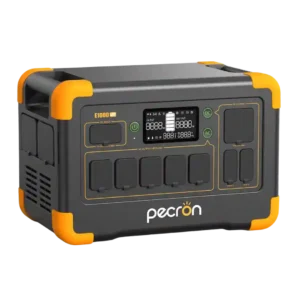
The vented enclosure does not inspire confidence around water, so it is better treated as a dry-location power station.
Pros: inverter quality, LiFePO4 battery
Cons: idle noise, built-in light
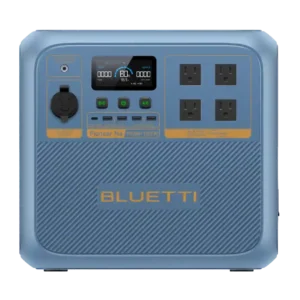
The station is not waterproof, so reviewers warn against leaving it exposed to snow, rain, or wet conditions.
Pros: pure sine wave output, startup performance
Cons: MPPT controller performance, battery expandability
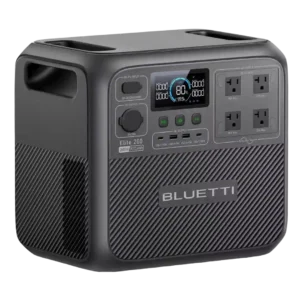
There is no waterproof rating, so reviewers consistently advise keeping the station sheltered from rain, snow, and splashes.
Pros: output stability, pure sine wave output
Cons: specification accuracy, startup reliability
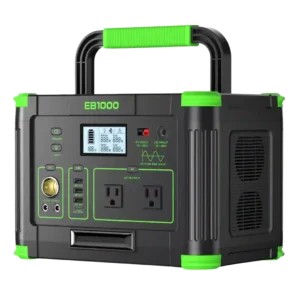
The station is not weatherproof, and exposed outlets without covers make it poorly suited to rain, dust, or unattended outdoor use.
Pros: rated output, output stability
Cons: battery expandability, startup reliability
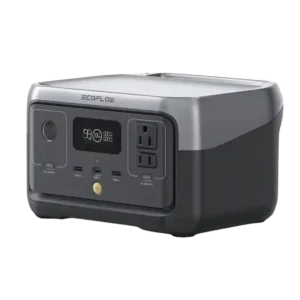
It is not water-resistant and must stay dry; exposed ports and the cooling fan make rain, boats, and wet ground poor environments.
Pros: surge capacity, output stability
Cons: dual-input charging, whole-home integration
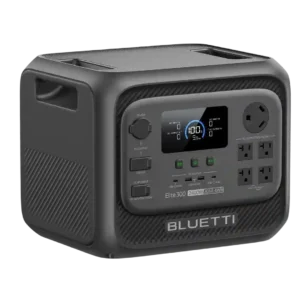
An IP20 rating means there is no meaningful water protection, so outdoor users must keep the station dry and sheltered.
Pros: surge capacity, voltage regulation
Cons: water resistance, ventilation requirements
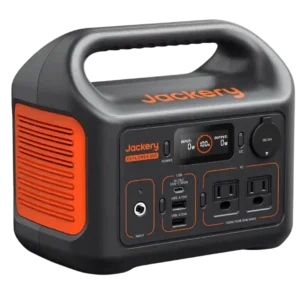
The station is not waterproof or water-resistant, so rain and wet campsites require active protection.
Pros: output stability, voltage regulation
Cons: battery expandability, water resistance
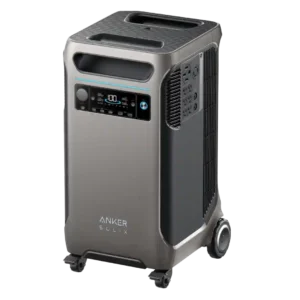
The station has no meaningful rain protection and should not be operated outdoors when wet.
Pros: rated output, output stability
Cons: car charging speed, USB-A ports
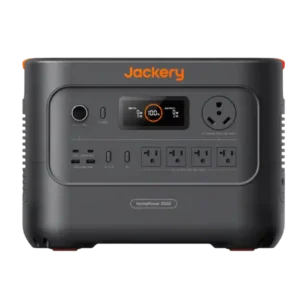
There is no meaningful water protection around the uncovered sockets.
Pros: power output, rated output
Cons: battery expandability, car charging speed