Best for output stability
Bluetti Elite 200 V2
5.0 feature score
Highest scored product for this feature based on supporting review evidence.

Highest scored product for this feature based on supporting review evidence.
Balances feature score, supporting reviews, and overall product strength.
Has the broadest review evidence for this feature.
Strongest overall product among items with scored evidence for this feature.
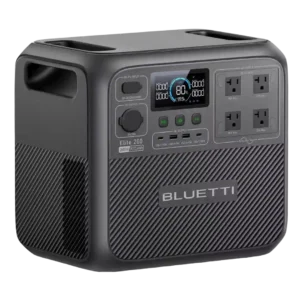
Sensitive electronics and heavy appliances received clean, consistent power without flicker, instability, or unexpected resets in testing.
Pros: output stability, pure sine wave output
Cons: specification accuracy, startup reliability
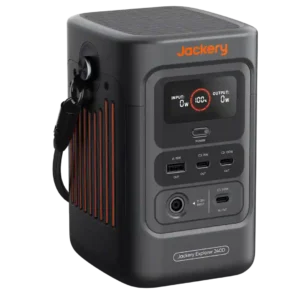
Hands-on tests found stable power delivery across multiple devices and high combined loads. Direct DC output is well suited to sensitive electronics.
Pros: power output, rated output
Cons: AC outlet count, repairability
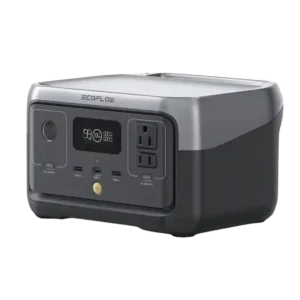
AC output stayed clean and stable at rated load in technical testing, with smooth recovery after brownouts and ordinary use.
Pros: surge capacity, output stability
Cons: dual-input charging, whole-home integration
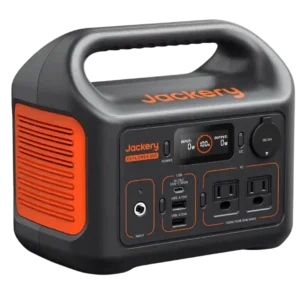
Reviewers report stable, predictable power delivery, including reliable operation in cold weather and remote use.
Pros: output stability, voltage regulation
Cons: battery expandability, water resistance
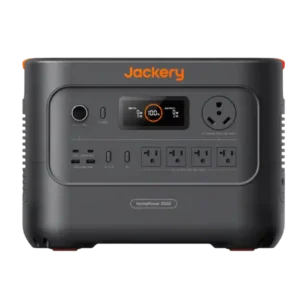
Appliance testing found clean, steady delivery without noticeable interruptions or voltage swings.
Pros: power output, rated output
Cons: battery expandability, car charging speed
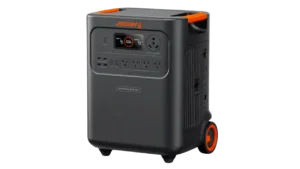
Output stayed steady under demanding loads, with reviewers reporting stable voltage and no instability or overload interruptions.
Pros: output stability, voltage regulation
Cons: DC output, 12-volt outlet
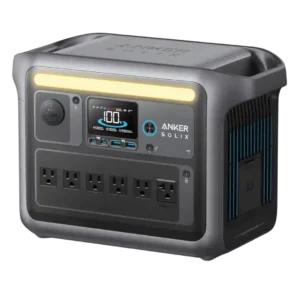
Tests with computers, appliances, and high loads found stable operation and graceful overload shutdowns.
Pros: power output, rated output
Cons: dual-input charging, cable storage
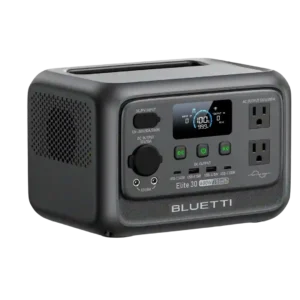
Connected equipment runs without dropouts, and normal AC voltage remains steady under tested loads.
Pros: rated output, output stability
Cons: over-voltage protection, cold-weather performance
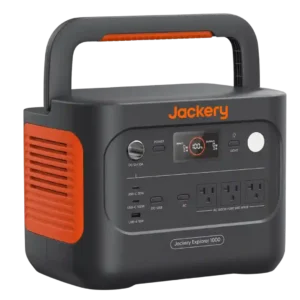
Stable sustained delivery and clean behavior under cold conditions give confidence for appliances and sensitive electronics.
Pros: rated output, peak output
Cons: standby power loss, specification accuracy
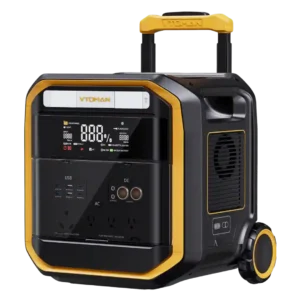
Power delivery remained steady under demanding loads, including electric equipment and multi-device use.
Pros: power output, surge capacity
Cons: specification accuracy, peak output
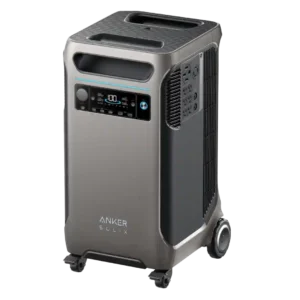
Testing showed excellent voltage regulation around 120V even during demanding operation.
Pros: rated output, output stability
Cons: car charging speed, USB-A ports
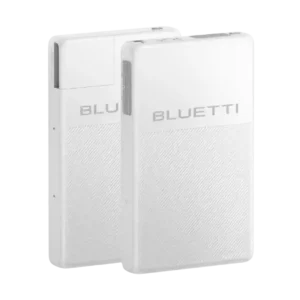
Voltage, frequency, waveform, and distortion remained stable under full load.
Pros: power output, rated output
Cons: USB-A ports, 12-volt outlet
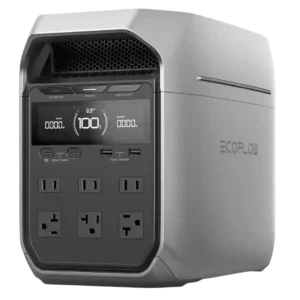
The inverter delivered clean, steady output in interference testing, with no pops, clicks, or erratic behavior.
Pros: rated output, peak output
Cons: 30-amp output, parallel operation support
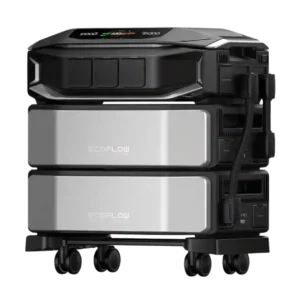
Where measured directly, outlet voltage remains very stable across the battery's state of charge, supporting confidence in steady household power delivery.
Pros: output stability, voltage regulation
Cons: solar cable compatibility, UPS functionality
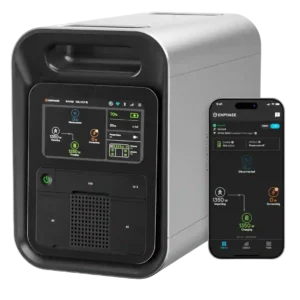
Pure sine wave output is described as clean and stable enough for electronics and essential appliances.
Pros: rated output, output stability
Cons: runtime at full load, RV outlet
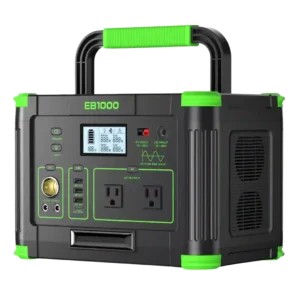
Power delivery stayed smooth and free of noticeable fluctuations in extended use, making the station suitable for electronics that benefit from stable output.
Pros: rated output, output stability
Cons: battery expandability, startup reliability
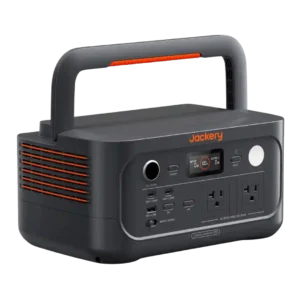
Stable output and pure-sine power make the station comfortable to use with sensitive electronics.
Pros: output stability, pure sine wave output
Cons: remaining runtime estimate, Bluetooth connectivity
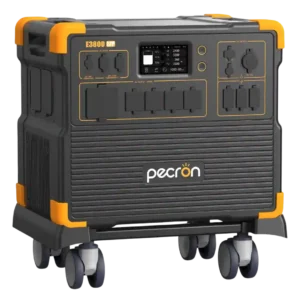
Sustained heavy-load testing remained stable without aggressive throttling or erratic behavior.
Pros: surge capacity, output stability
Cons: app connectivity, idle noise
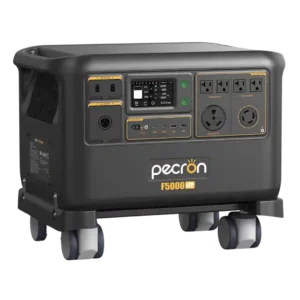
A demanding 240V appliance test completed without voltage drop, giving the F5000 strong marks for stable delivery. That supports confidence in serious backup loads.
Pros: power output, output stability
Cons: firmware updates, built-in light
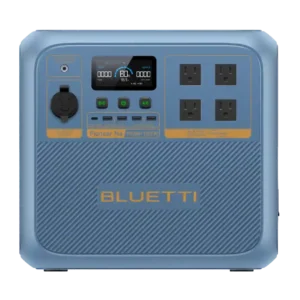
Heavy-load and source-switching tests showed stable voltage and uninterrupted operation, which is reassuring for connected electronics.
Pros: pure sine wave output, startup performance
Cons: MPPT controller performance, battery expandability
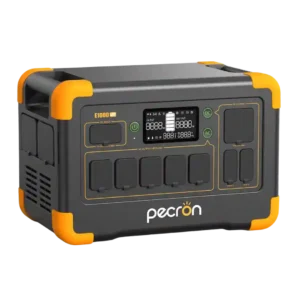
Voltage remained stable near heavy continuous loads in the favorable stress tests, with little or no sag.
Pros: inverter quality, LiFePO4 battery
Cons: idle noise, built-in light
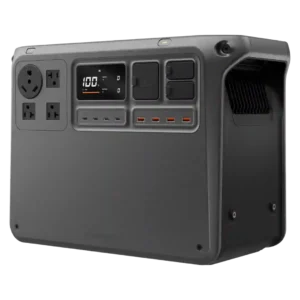
Voltage and output stayed notably steady under demanding loads, supporting sensitive electronics and sustained tool use.
Pros: rated output, peak output
Cons: startup reliability, full-load noise
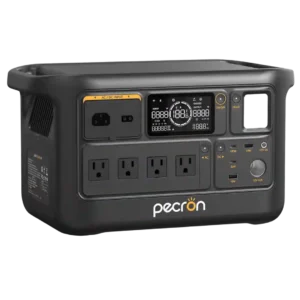
Voltage stays impressively steady around rated loads, though one extreme over-rating test showed noticeable sag before overload shutdown.
Pros: rated output, peak output
Cons: startup reliability, whole-home integration
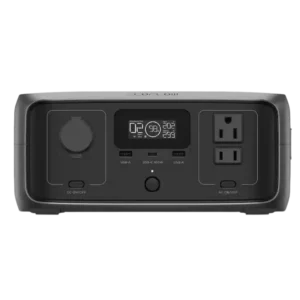
Compatible loads stay powered cleanly, but isolated voltage spikes and unexpected shutdowns make critical use worth testing carefully.
Pros: noise level, idle noise
Cons: self-discharge rate, air travel suitability
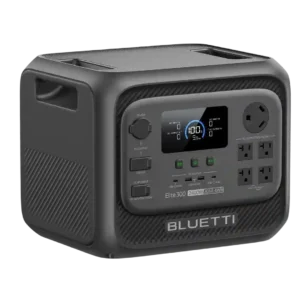
Typical loads were stable, but one long-duration maximum test caused both AC and USB-C output failures near the limits.
Pros: surge capacity, voltage regulation
Cons: water resistance, ventilation requirements
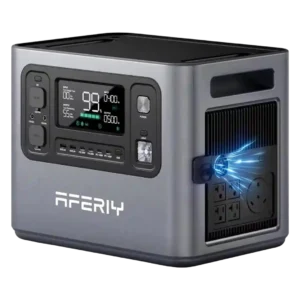
The largest technical concern is voltage throttling above or near the inverter limit. Tests recorded severe sag, so sensitive electronics should not be used when pushing beyond 2,800W.
Pros: rated output, peak output
Cons: app connectivity, voltage regulation
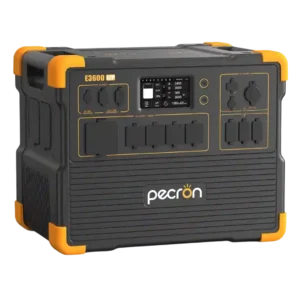
A small group of failed units produced unstable voltage or randomly dropped AC output, which is a serious reliability risk.
Pros: power output, rated output
Cons: output stability, voltage regulation