Best for outlet accessibility
Bluetti Elite 200 V2
5.0 feature score
Highest scored product for this feature based on supporting review evidence.

Highest scored product for this feature based on supporting review evidence.
Balances feature score, supporting reviews, and overall product strength.
Has the broadest review evidence for this feature.
Strongest overall product among items with scored evidence for this feature.
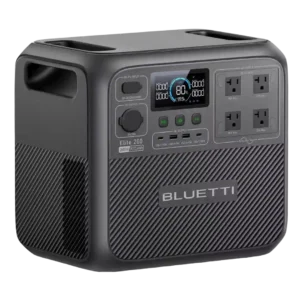
Front-mounted, clearly spaced outputs remain easy to reach when the station is tucked beside a wall or under a desk.
Pros: output stability, pure sine wave output
Cons: specification accuracy, startup reliability
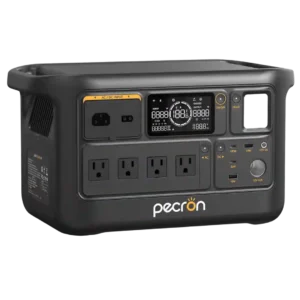
The four AC outlets are spaced well enough for larger power bricks, and the front-facing layout keeps connections usable even when the unit is packed tightly.
Pros: rated output, peak output
Cons: startup reliability, whole-home integration
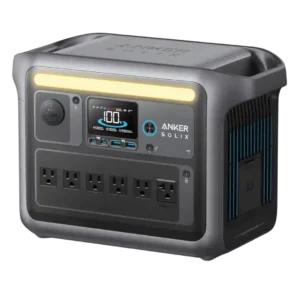
Front-mounted, well-spaced outlets are easy to reach and accommodate large adapters better than many compact competitors.
Pros: power output, rated output
Cons: dual-input charging, cable storage
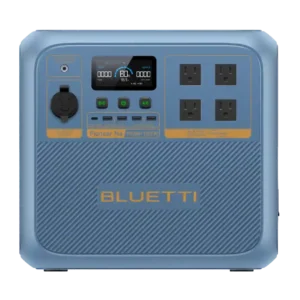
Forward-facing outputs are excellent in tight spaces, letting users keep the station against a wall, on a shelf, or in a vehicle without reaching around it.
Pros: pure sine wave output, startup performance
Cons: MPPT controller performance, battery expandability

Front-mounted sockets and ports are easy to reach, simplifying multi-device setups in cramped vehicles or workspaces.
Pros: rated output, peak output
Cons: standby power loss, specification accuracy
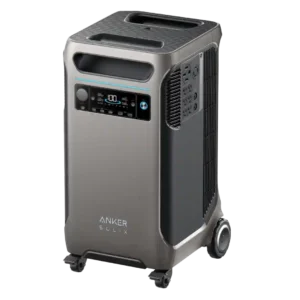
The port arrangement is considered thoughtful and easy to reach, with everyday connections separated from heavy-duty outlets.
Pros: rated output, output stability
Cons: car charging speed, USB-A ports
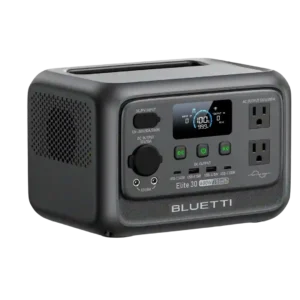
Front-facing output ports are easy to see and reach, which helps in vehicles, under desks, and inside tents.
Pros: rated output, output stability
Cons: over-voltage protection, cold-weather performance
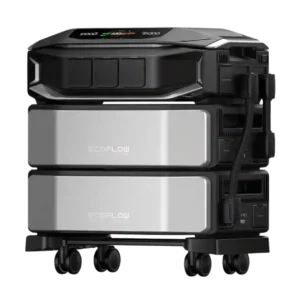
The physical layout separates frequently used front connections from installation-oriented side ports, which one reviewer finds intuitive and easy to understand.
Pros: output stability, voltage regulation
Cons: solar cable compatibility, UPS functionality
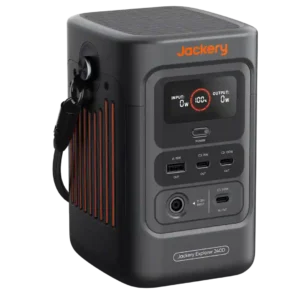
Front-mounted ports remain easy to reach even when the station is tucked beside a bag or other gear.
Pros: power output, rated output
Cons: AC outlet count, repairability
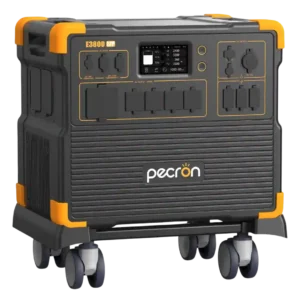
Front-facing, labeled ports and grouped DC connections are described as logical and easy to reach.
Pros: surge capacity, output stability
Cons: app connectivity, idle noise
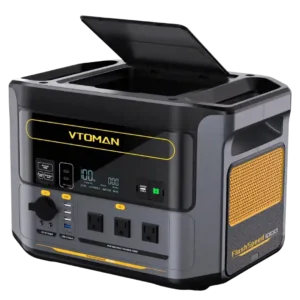
Keeping nearly every input and output on the front makes the station easy to use in vans, workshops, and tight storage spaces.
Pros: inverter quality, power quality
Cons: Wi-Fi connectivity, weather resistance
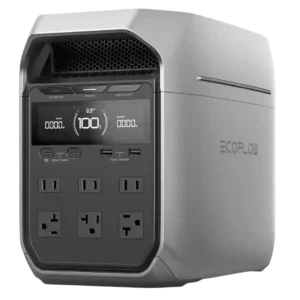
Front-facing, rotated AC outlets reduce plug interference and are much easier to use than older rear-outlet EcoFlow designs.
Pros: rated output, peak output
Cons: 30-amp output, parallel operation support
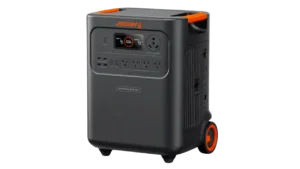
Ports are clearly labeled and spaced well enough to avoid unnecessary crowding in normal use.
Pros: output stability, voltage regulation
Cons: DC output, 12-volt outlet
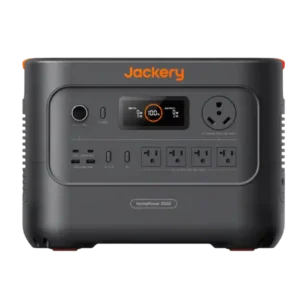
Front-mounted outlets and controls are easy to reach during everyday use.
Pros: power output, rated output
Cons: battery expandability, car charging speed
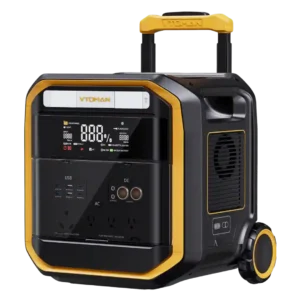
Most users found the labeled ports easy to reach, though one reviewer felt the large hinged cover could get in the way during regular use.
Pros: power output, surge capacity
Cons: specification accuracy, peak output
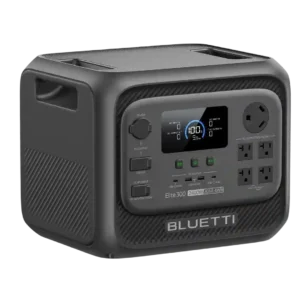
The TT-30 placement is thoughtful, but AC outlet spacing varies by region and can be tight enough for large bricks to block neighboring sockets.
Pros: surge capacity, voltage regulation
Cons: water resistance, ventilation requirements
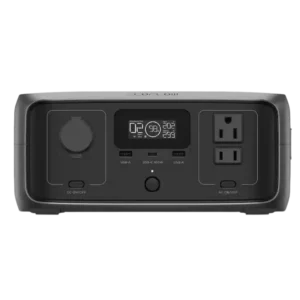
Front access is convenient, but the two AC outlets can be too close for bulky plugs.
Pros: noise level, idle noise
Cons: self-discharge rate, air travel suitability

All-front access is convenient in tight spaces, yet floppy protective covers and crowded spacing can make actual plug access less pleasant than the layout first suggests.
Pros: inverter quality, LiFePO4 battery
Cons: idle noise, built-in light
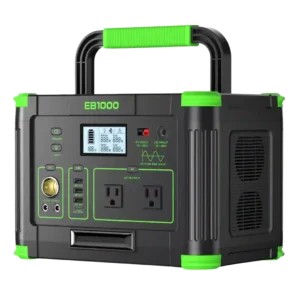
Most ports are convenient, but the low, recessed AC sockets can block bulky UK plugs and require an extension adapter.
Pros: rated output, output stability
Cons: battery expandability, startup reliability
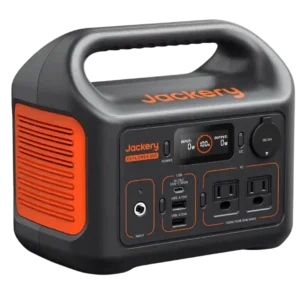
The two AC outlets are useful, but their close spacing can make two bulky wall-wart adapters difficult to use together.
Pros: output stability, voltage regulation
Cons: battery expandability, water resistance
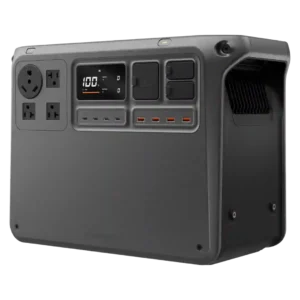
Bulky plugs can block neighboring AC outlets, making the otherwise generous port count less usable in some setups.
Pros: rated output, peak output
Cons: startup reliability, full-load noise
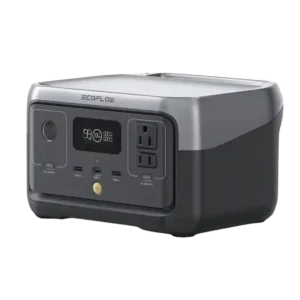
The front layout is mostly roomy, though regional upside-down sockets and tight spacing around large plugs create occasional frustration.
Pros: surge capacity, output stability
Cons: dual-input charging, whole-home integration
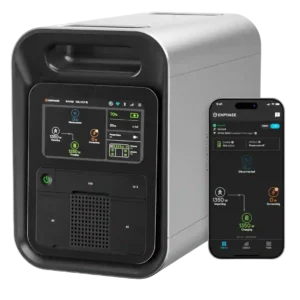
Port covers are well sealed, but the four AC outlets are packed so tightly that bulky plugs can block neighboring sockets.
Pros: rated output, output stability
Cons: runtime at full load, RV outlet
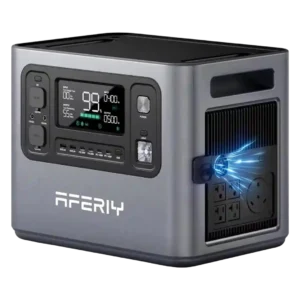
Protective flaps help shield ports but can make sockets fiddly to reach, particularly when an expansion battery cable is attached.
Pros: rated output, peak output
Cons: app connectivity, voltage regulation

Rear-facing outlets and downward-running plugs can crowd the ventilation and charging cable. Buyers with hidden or awkward appliance sockets may need extra clearance or extension cables.
Pros: power output, rated output
Cons: USB-A ports, 12-volt outlet
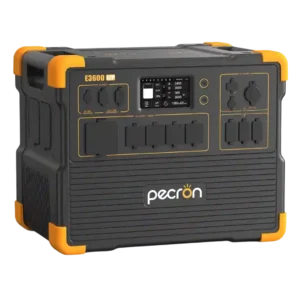
Closely spaced AC receptacles can make bulky plugs difficult to fit together.
Pros: power output, rated output
Cons: output stability, voltage regulation