#1
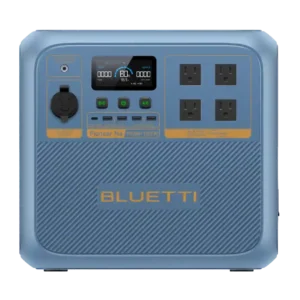
Forward-facing outputs are excellent in tight spaces, letting users keep the station against a wall, on a shelf, or in a vehicle without reaching around it.
Pros: pure sine wave output, startup performance
Cons: MPPT controller performance, battery expandability
#2
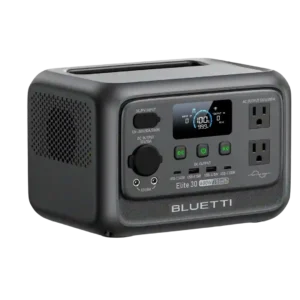
Front-facing output ports are easy to see and reach, which helps in vehicles, under desks, and inside tents.
Pros: rated output, output stability
Cons: over-voltage protection, cold-weather performance
#3
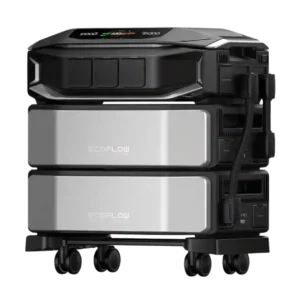
The physical layout separates frequently used front connections from installation-oriented side ports, which one reviewer finds intuitive and easy to understand.
Pros: output stability, voltage regulation
Cons: solar cable compatibility, UPS functionality
#4
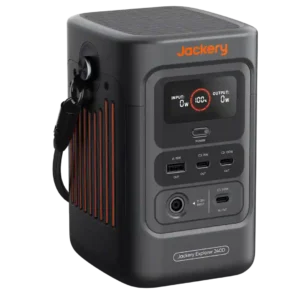
Front-mounted ports remain easy to reach even when the station is tucked beside a bag or other gear.
Pros: power output, rated output
Cons: AC outlet count, repairability
#5
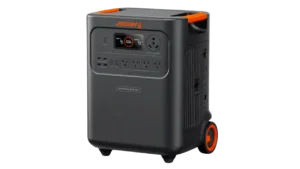
Ports are clearly labeled and spaced well enough to avoid unnecessary crowding in normal use.
Pros: output stability, voltage regulation
Cons: DC output, 12-volt outlet
#6
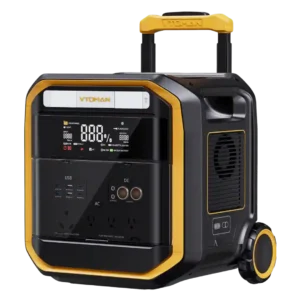
Most users found the labeled ports easy to reach, though one reviewer felt the large hinged cover could get in the way during regular use.
Pros: power output, surge capacity
Cons: specification accuracy, peak output
#7
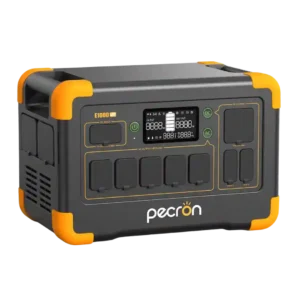
All-front access is convenient in tight spaces, yet floppy protective covers and crowded spacing can make actual plug access less pleasant than the layout first suggests.
Pros: inverter quality, LiFePO4 battery
Cons: idle noise, built-in light
#8
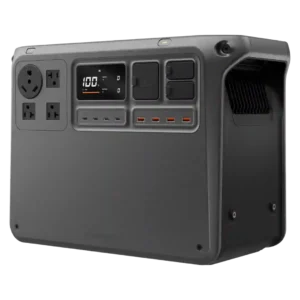
Bulky plugs can block neighboring AC outlets, making the otherwise generous port count less usable in some setups.
Pros: rated output, peak output
Cons: startup reliability, full-load noise
