Best for MPPT controller performance
Jackery Explorer 240D
5.0 feature score
Highest scored product for this feature based on supporting review evidence.

Highest scored product for this feature based on supporting review evidence.
Balances feature score, supporting reviews, and overall product strength.
Has the broadest review evidence for this feature.
Strongest overall product among items with scored evidence for this feature.
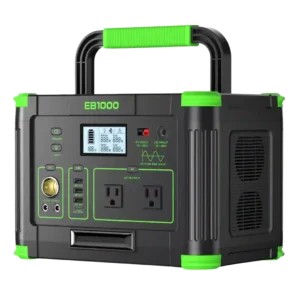
The MPPT controller performs strongly, including tests that pulled the full rated output from connected panels in suitable sunlight.
Pros: rated output, output stability
Cons: battery expandability, startup reliability
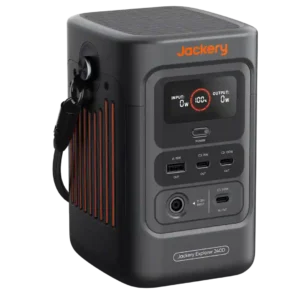
The dedicated solar controller tracks changing panel voltage well and makes effective use of available sunlight. Tests and comparisons consistently favor the proper MPPT input over improvised USB-C solar charging.
Pros: power output, rated output
Cons: AC outlet count, repairability
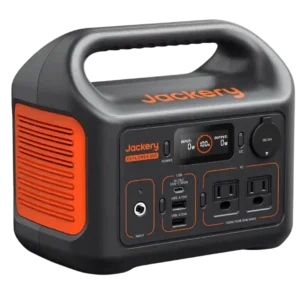
The MPPT controller is a standout strength, repeatedly praised for making solar charging much faster and more effective than older Jackery designs.
Pros: output stability, voltage regulation
Cons: battery expandability, water resistance
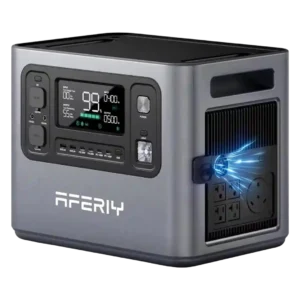
The two built-in MPPT controllers tracked panels effectively and remove the need for a separate controller in many RV or off-grid setups.
Pros: rated output, peak output
Cons: app connectivity, voltage regulation
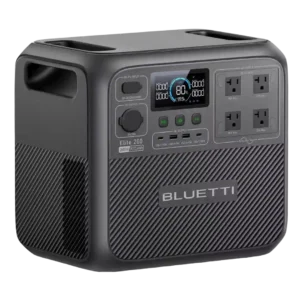
The built-in MPPT controller made good use of available solar input and supported efficient off-grid recharging.
Pros: output stability, pure sine wave output
Cons: specification accuracy, startup reliability
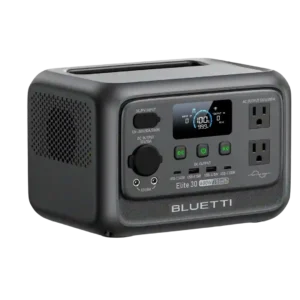
Solar tracking performs well, drawing close to a panel’s available output and continuing to charge effectively in scattered cloud. That makes modest 100W panels practical for topping up the small...
Pros: rated output, output stability
Cons: over-voltage protection, cold-weather performance
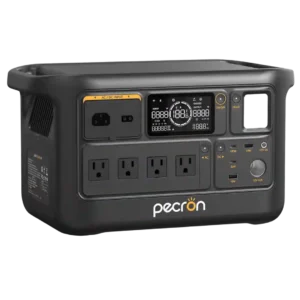
Solar-controller performance is excellent in testing, pulling roughly 300W from a 327W panel and earning direct praise for efficiency.
Pros: rated output, peak output
Cons: startup reliability, whole-home integration
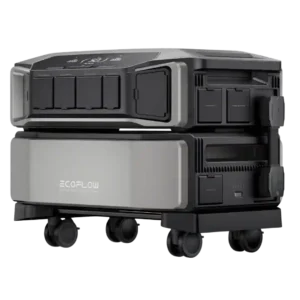
One measured test found the MPPT quick to lock back onto solar after cloud breaks and efficient at converting available array output.
Pros: power quality, simultaneous device support
Cons: battery percentage accuracy, firmware updates
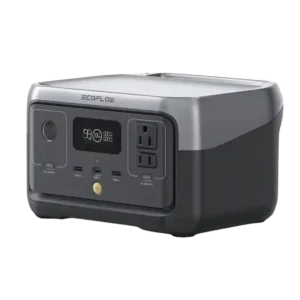
One hands-on test pulled about 95W from a 100W panel, showing strong tracking under good sun.
Pros: surge capacity, output stability
Cons: dual-input charging, whole-home integration
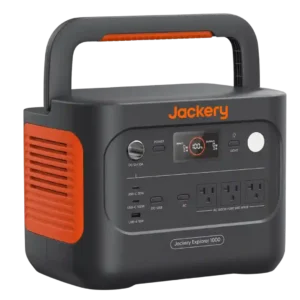
The dual MPPT system is credited with extracting useful energy even when sunlight is partly obstructed.
Pros: rated output, peak output
Cons: standby power loss, specification accuracy
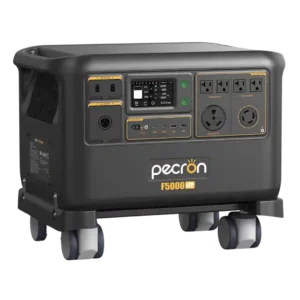
Solar tracking performed well in hands-on testing, with the reviewer satisfied by how the dual inputs handled real arrays. The controller setup complements the unusually large solar-input ceiling.
Pros: power output, output stability
Cons: firmware updates, built-in light
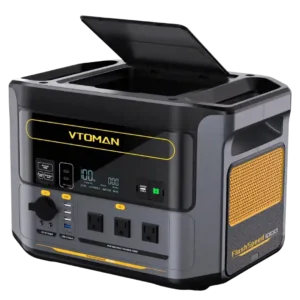
Solar input returned to full power quickly after shading, showing responsive tracking as sunlight changed.
Pros: inverter quality, power quality
Cons: Wi-Fi connectivity, weather resistance
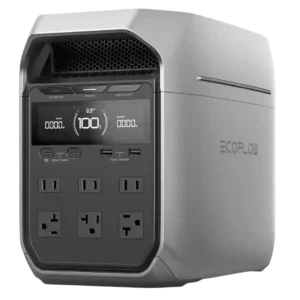
Both solar controllers reached their 500W caps in testing and handled varied DC sources well, though the 60V ceiling limits some series-panel arrangements.
Pros: rated output, peak output
Cons: 30-amp output, parallel operation support
The built-in MPPT controller generally captures available solar power effectively when panel voltage and cabling are correct.
Pros: noise level, idle noise
Cons: self-discharge rate, air travel suitability
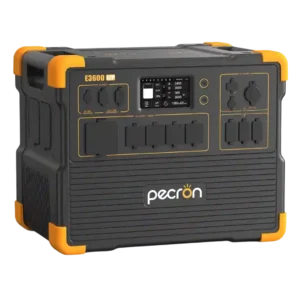
The MPPT system can reach very high input, but the 20-amp limit and cable setup can complicate panel configuration.
Pros: power output, rated output
Cons: output stability, voltage regulation
The solar controller approached its 1,000W ceiling and worked reliably across a broad voltage range, though one test topped out around 930W.
Pros: power output, rated output
Cons: USB-A ports, 12-volt outlet
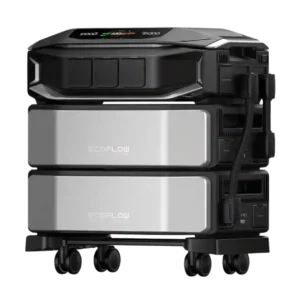
One detailed solar test expected the high-voltage MPPT controller to be very efficient, but the measurement method produced an impossible result above 100%, leaving the exact efficiency uncertain.
Pros: output stability, voltage regulation
Cons: solar cable compatibility, UPS functionality
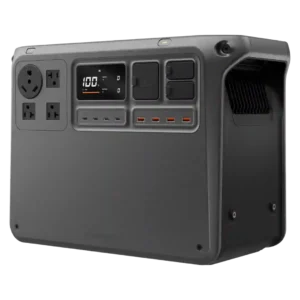
The MPPT accessories can deliver strong input, though one test found mediocre efficiency and customers reported occasional charging glitches.
Pros: rated output, peak output
Cons: startup reliability, full-load noise
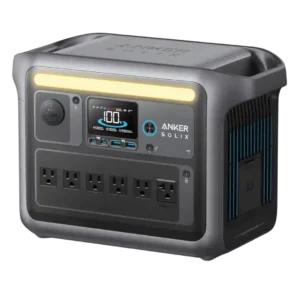
The solar controller tracks panels effectively, but voltage, amperage, and low-input thresholds can prevent users from reaching the full advertised solar rate.
Pros: power output, rated output
Cons: dual-input charging, cable storage
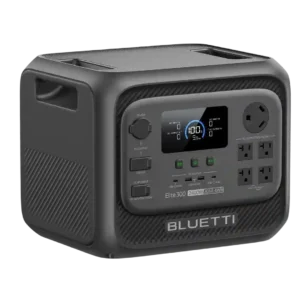
The integrated MPPT controller measured about 81% efficiency in one test. That was better than some competitors but still left noticeable solar energy lost as heat.
Pros: surge capacity, voltage regulation
Cons: water resistance, ventilation requirements
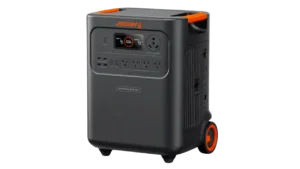
One detailed test found the MPPT charging path less efficient than expected, making this a notable solar-side weakness.
Pros: output stability, voltage regulation
Cons: DC output, 12-volt outlet
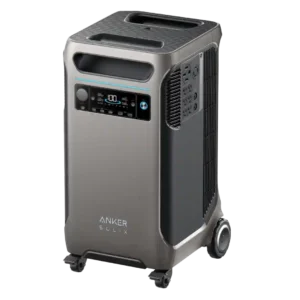
The dual controllers work, but their voltage and amperage windows are the root of many solar complaints. Common arrays often deliver far less than the advertised maximum.
Pros: rated output, output stability
Cons: car charging speed, USB-A ports
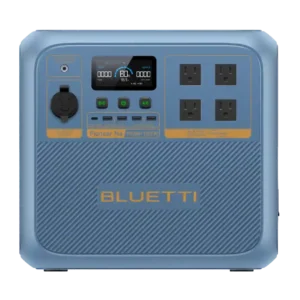
One detailed test measured very poor MPPT efficiency and called the result atrocious, though the reviewer noted they lacked time to repeat the measurement.
Pros: pure sine wave output, startup performance
Cons: MPPT controller performance, battery expandability