Best for control panel layout
Anker Solix C1000
5.0 feature score
Highest scored product for this feature based on supporting review evidence.

Highest scored product for this feature based on supporting review evidence.
Balances feature score, supporting reviews, and overall product strength.
Has the broadest review evidence for this feature.
Strongest overall product among items with scored evidence for this feature.
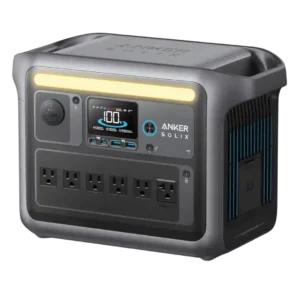
Front-facing outputs, clear labels, and sensible spacing make the unit intuitive to plug in and operate.
Pros: power output, rated output
Cons: dual-input charging, cable storage
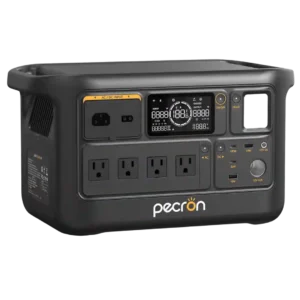
Putting the inputs, outputs, screen, and controls on the front makes the F1000 especially convenient in vehicles, under desks, and against walls.
Pros: rated output, peak output
Cons: startup reliability, whole-home integration
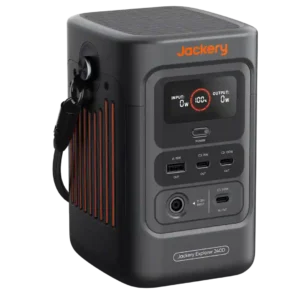
Front-facing, clearly separated ports make connections easy to understand and reduce cable clutter. Dedicated output-only and bidirectional USB-C roles are particularly useful.
Pros: power output, rated output
Cons: AC outlet count, repairability
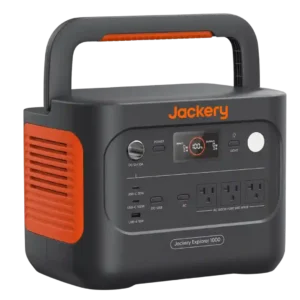
A simple front-facing layout keeps outlets, buttons, and status information easy to find without a learning curve.
Pros: rated output, peak output
Cons: standby power loss, specification accuracy
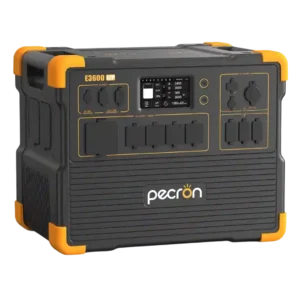
The front panel and touchscreen are logically organized, with clear sections and unusually deep on-device controls.
Pros: power output, rated output
Cons: output stability, voltage regulation
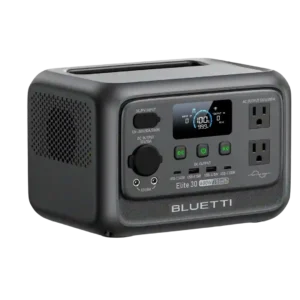
Useful settings can be changed directly with the physical controls, reducing dependence on the phone app. The front-facing layout is straightforward once the AC and DC buttons are understood.
Pros: rated output, output stability
Cons: over-voltage protection, cold-weather performance
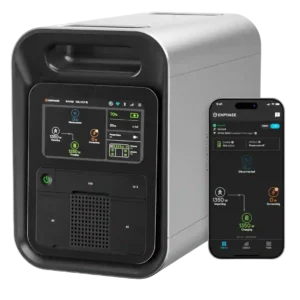
The large touchscreen puts advanced charging, power-save, and output settings directly on the unit instead of hiding them in the app.
Pros: rated output, output stability
Cons: runtime at full load, RV outlet
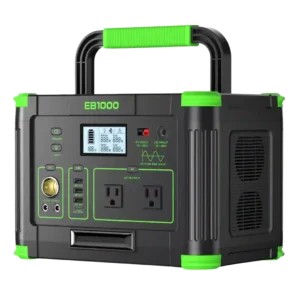
Front-facing, clearly labeled controls and grouped output sections make the panel practical and easy to navigate.
Pros: rated output, output stability
Cons: battery expandability, startup reliability
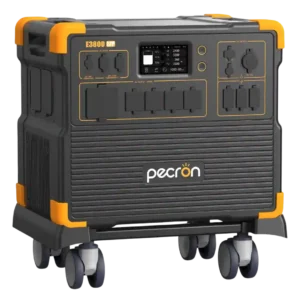
Owners find the physical panel straightforward for common adjustments without relying on a phone.
Pros: surge capacity, output stability
Cons: app connectivity, idle noise
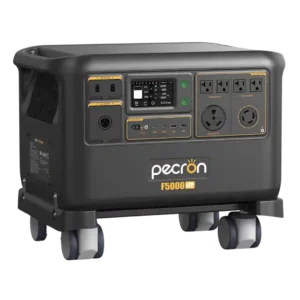
The front-panel organization is praised for keeping AC, DC, and UPS connections easy to understand. Reviewers appreciate being able to identify the right ports quickly.
Pros: power output, output stability
Cons: firmware updates, built-in light
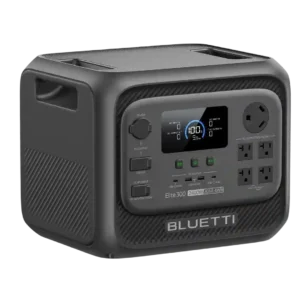
Controls and ports are generally clean, logical, and easy to reach, with clear labeling that works well in vans, workshops, and low-light settings.
Pros: surge capacity, voltage regulation
Cons: water resistance, ventilation requirements
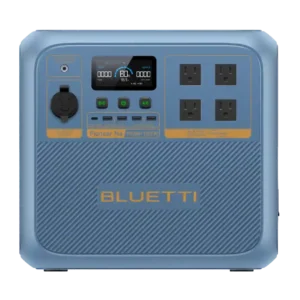
The familiar front-facing controls are widely praised as clear, accessible, and easy to use, including in tight spaces or while wearing gloves.
Pros: pure sine wave output, startup performance
Cons: MPPT controller performance, battery expandability
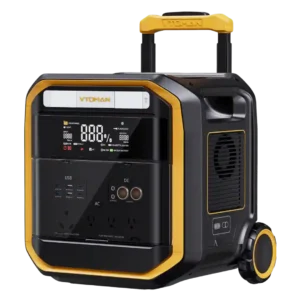
Clearly organized, labeled port banks make the station quick to understand during an outage or job-site setup.
Pros: power output, surge capacity
Cons: specification accuracy, peak output
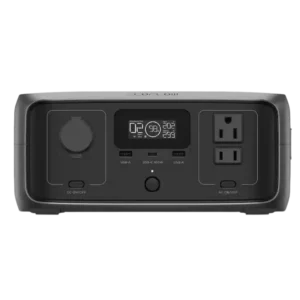
Front-facing ports, logical buttons, and an uncluttered panel make the unit straightforward to operate.
Pros: noise level, idle noise
Cons: self-discharge rate, air travel suitability
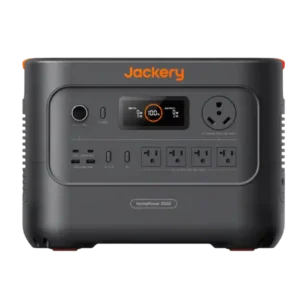
Controls and connections are grouped logically on the front, giving the station a simple, thoughtful layout.
Pros: power output, rated output
Cons: battery expandability, car charging speed
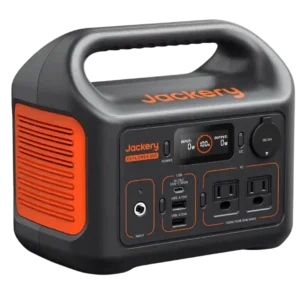
The front panel is generally clear, logically grouped and easy to understand, with only minor spacing concerns.
Pros: output stability, voltage regulation
Cons: battery expandability, water resistance
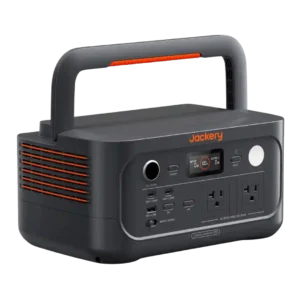
The controls and ports are arranged simply and intuitively, making the front panel easy to understand without digging through menus.
Pros: output stability, pure sine wave output
Cons: remaining runtime estimate, Bluetooth connectivity
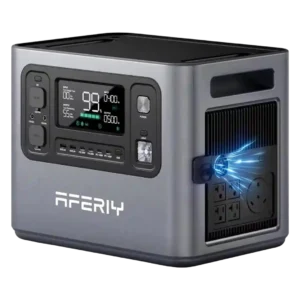
Front-facing controls, a large display, and logically separated side ports make the station easy to understand at a glance.
Pros: rated output, peak output
Cons: app connectivity, voltage regulation
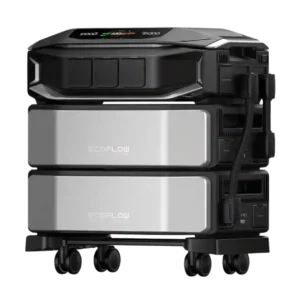
The front of the Ultra X is intentionally simplified, and reviewers generally like the clean, straightforward presentation even though that cleaner layout comes partly from removing smaller ports.
Pros: output stability, voltage regulation
Cons: solar cable compatibility, UPS functionality
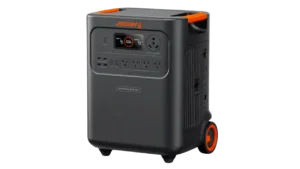
The control layout is clean and straightforward, making the main controls easy to understand.
Pros: output stability, voltage regulation
Cons: DC output, 12-volt outlet
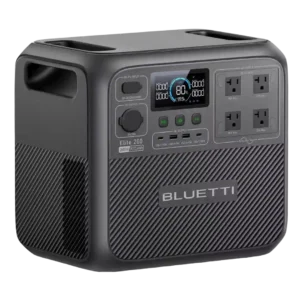
Front-facing ports and clear controls are convenient in tight spaces, though a few button combinations and app-only settings are less intuitive.
Pros: output stability, pure sine wave output
Cons: specification accuracy, startup reliability
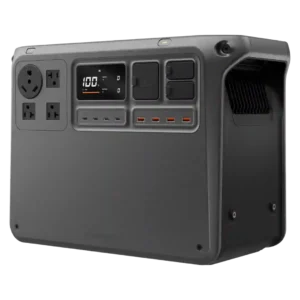
Keeping everything on the front is convenient for tight spaces, but the charging cable and crowded AC arrangement can create clutter.
Pros: rated output, peak output
Cons: startup reliability, full-load noise
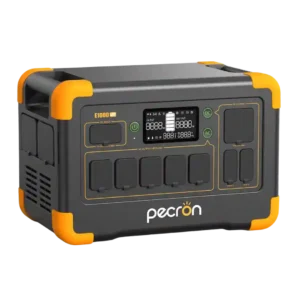
Clear labels and a straightforward front panel are positives, but tight AC outlet spacing and awkward side covers can make bulky plugs or frequent access frustrating.
Pros: inverter quality, LiFePO4 battery
Cons: idle noise, built-in light
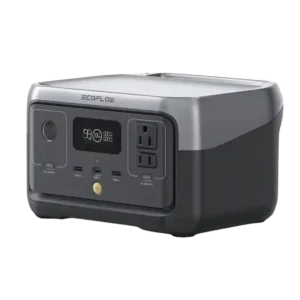
Ports are easy to reach, but exposed buttons can be pressed accidentally when the unit is packed in a bag.
Pros: surge capacity, output stability
Cons: dual-input charging, whole-home integration
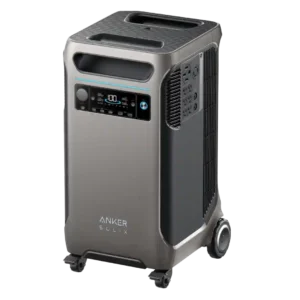
Most controls are cleanly arranged, but some users find button locations unintuitive and one reviewer found the interface confusing.
Pros: rated output, output stability
Cons: car charging speed, USB-A ports
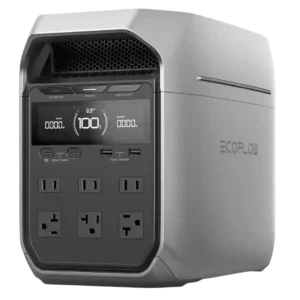
Tiny, low-contrast labels and a few oddly placed controls make the physical interface harder to read than the display itself.
Pros: rated output, peak output
Cons: 30-amp output, parallel operation support

Physical controls are extremely sparse—mostly a power button and LEDs—so most settings require the app.
Pros: power output, rated output
Cons: USB-A ports, 12-volt outlet