Best for built-in light
Grecell T-1000
5.0 feature score
Highest scored product for this feature based on supporting review evidence.

Highest scored product for this feature based on supporting review evidence.
Balances feature score, supporting reviews, and overall product strength.
Has the broadest review evidence for this feature.
Strongest overall product among items with scored evidence for this feature.
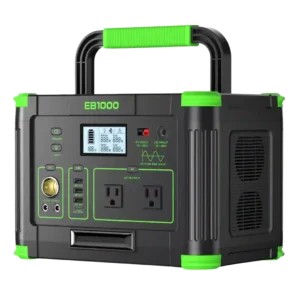
The side-mounted emergency light is bright, practical for tents and outages, and easier to use without shining directly into the operator's eyes.
Pros: rated output, output stability
Cons: battery expandability, startup reliability
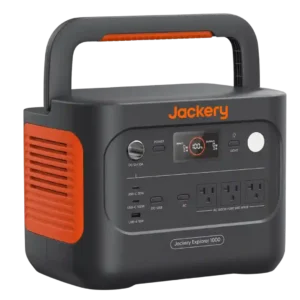
The front light is more useful than it first appears, providing bright task lighting and emergency modes at campsites or during outages.
Pros: rated output, peak output
Cons: standby power loss, specification accuracy
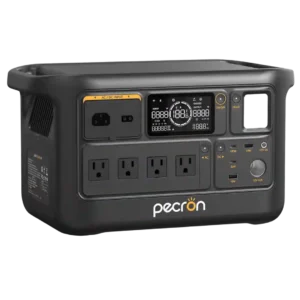
The front light is widely appreciated for blackouts, roadside use, and camping, with adjustable brightness and SOS modes making it more than a token extra.
Pros: rated output, peak output
Cons: startup reliability, whole-home integration
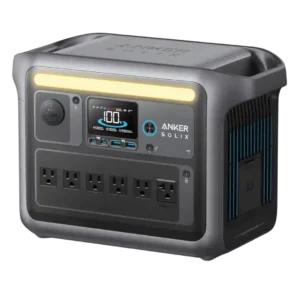
The warm, adjustable light bar is useful in tents, outages, and dark work areas. Placement and automatic behavior drew a few minor complaints.
Pros: power output, rated output
Cons: dual-input charging, cable storage
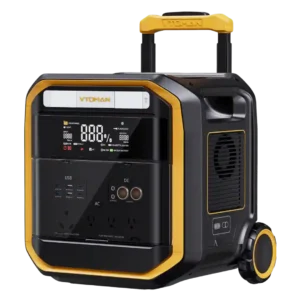
The front lighting is more than decorative: it illuminates the ports, provides room or campsite light, and includes red warning or SOS modes for emergencies.
Pros: power output, surge capacity
Cons: specification accuracy, peak output
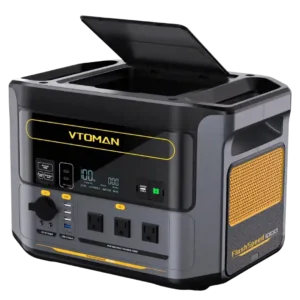
The wide rear light is bright and genuinely useful for camping, roadside work, outages, and emergency signaling.
Pros: inverter quality, power quality
Cons: Wi-Fi connectivity, weather resistance
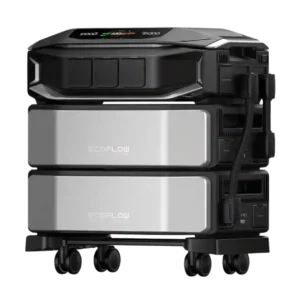
The front LED bar is more useful than it first appears. It provides an at-a-glance battery indication from across a room while also giving the unit a cleaner visual status...
Pros: output stability, voltage regulation
Cons: solar cable compatibility, UPS functionality
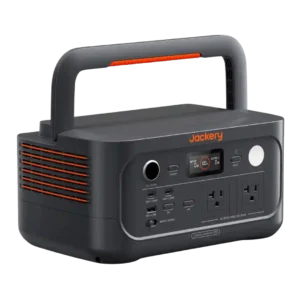
The integrated LED is a useful bonus for camping and outages, offering practical illumination and emergency modes.
Pros: output stability, pure sine wave output
Cons: remaining runtime estimate, Bluetooth connectivity
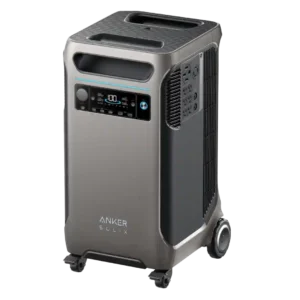
The front light is handy for moving the unit during dark outages, but some testers found it too dim and decorative to replace a real emergency light.
Pros: rated output, output stability
Cons: car charging speed, USB-A ports
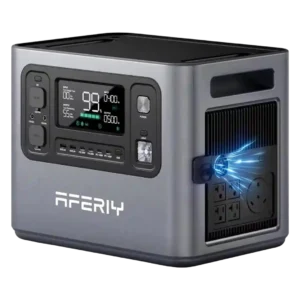
The front light is convenient for finding connections during an outage, but several testers found it too small or dim to serve as a serious work light.
Pros: rated output, peak output
Cons: app connectivity, voltage regulation
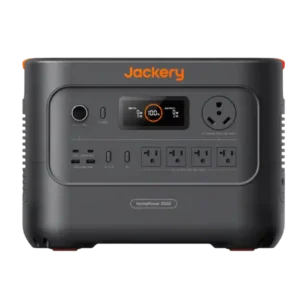
The front lamp has been removed; it is a minor disappointment rather than a deal breaker.
Pros: power output, rated output
Cons: battery expandability, car charging speed
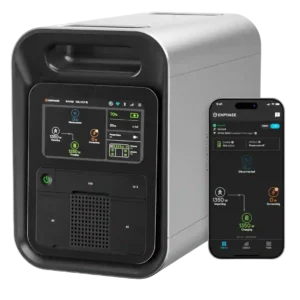
The proximity lighting adds a premium visual touch, but the main decorative light is too dim to serve as useful emergency illumination.
Pros: rated output, output stability
Cons: runtime at full load, RV outlet
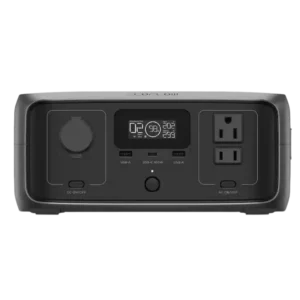
The base River 3 omits a built-in light, unlike some larger models and competitors.
Pros: noise level, idle noise
Cons: self-discharge rate, air travel suitability
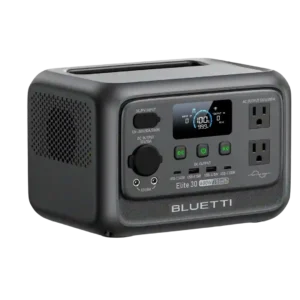
The lack of an integrated light is a repeated complaint. For a product aimed at camping and emergency backup, a small area light would make it more complete.
Pros: rated output, output stability
Cons: over-voltage protection, cold-weather performance
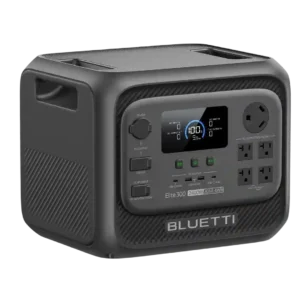
The lack of an integrated LED light is a recurring frustration, especially because the heavy unit often requires both hands during an outage.
Pros: surge capacity, voltage regulation
Cons: water resistance, ventilation requirements
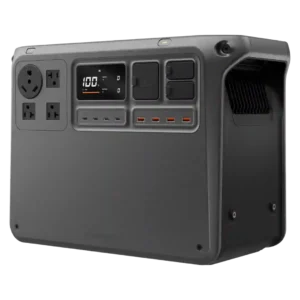
The missing integrated light is a minor but repeated disappointment for camping and emergency use.
Pros: rated output, peak output
Cons: startup reliability, full-load noise
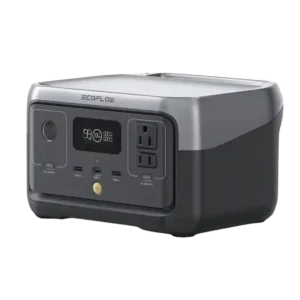
Unlike several competitors, it has no built-in flashlight, a missed convenience for camping and emergencies.
Pros: surge capacity, output stability
Cons: dual-input charging, whole-home integration
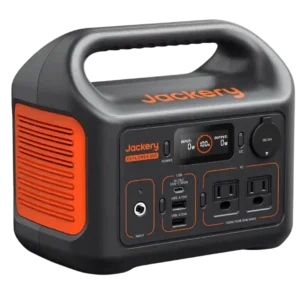
The missing built-in light is one of the most repeated complaints; several reviewers wanted a flashlight or lantern for outages and camping.
Pros: output stability, voltage regulation
Cons: battery expandability, water resistance
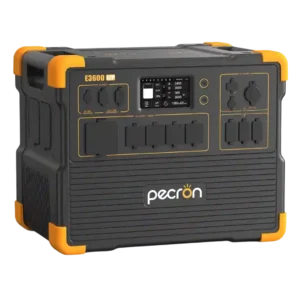
The missing built-in light is a recurring annoyance during outages, although one reviewer considered the omission reasonable given the unit’s weight.
Pros: power output, rated output
Cons: output stability, voltage regulation
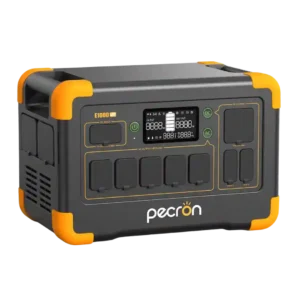
The lack of an integrated light is a repeated annoyance for camping and blackout use, especially because several competing stations include one.
Pros: inverter quality, LiFePO4 battery
Cons: idle noise, built-in light
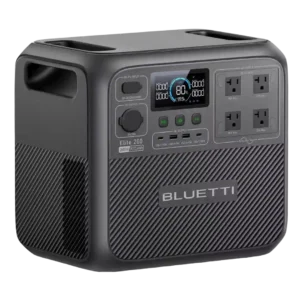
The missing work light is a common frustration, especially because carrying and connecting this heavy unit in darkness requires both hands.
Pros: output stability, pure sine wave output
Cons: specification accuracy, startup reliability
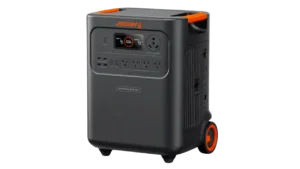
The missing built-in light drew direct criticism because a front light would make outage setup and monitoring easier in the dark.
Pros: output stability, voltage regulation
Cons: DC output, 12-volt outlet
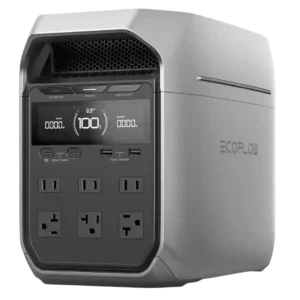
The absence of an integrated LED is a frequently noted missed opportunity for outages and camping.
Pros: rated output, peak output
Cons: 30-amp output, parallel operation support
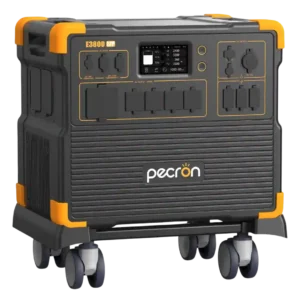
Multiple reviewers consider the lack of a built-in light an avoidable inconvenience during outages.
Pros: surge capacity, output stability
Cons: app connectivity, idle noise
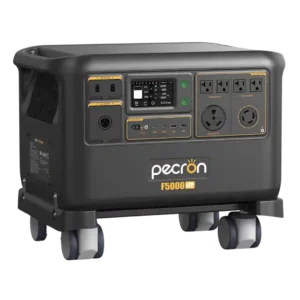
The lack of a built-in light is repeatedly criticized. Reviewers find the omission especially frustrating because a 120-plus-pound backup unit may need to be moved through a dark garage or...
Pros: power output, output stability
Cons: firmware updates, built-in light
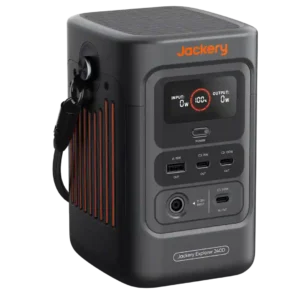
There is no built-in lantern, a notable omission beside competitors such as the Anker C300 DC. Campers may need to carry a separate light.
Pros: power output, rated output
Cons: AC outlet count, repairability