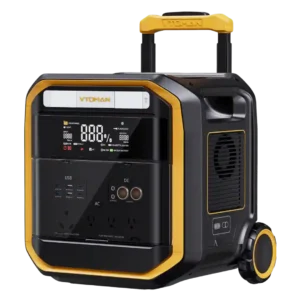
The front lighting is more than decorative: it illuminates the ports, provides room or campsite light, and includes red warning or SOS modes for emergencies.
Pros: power output, surge capacity
Cons: specification accuracy, peak output

The front lighting is more than decorative: it illuminates the ports, provides room or campsite light, and includes red warning or SOS modes for emergencies.
Pros: power output, surge capacity
Cons: specification accuracy, peak output
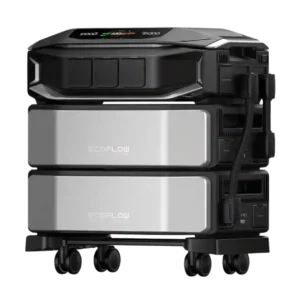
The front LED bar is more useful than it first appears. It provides an at-a-glance battery indication from across a room while also giving the unit a cleaner visual status...
Pros: output stability, voltage regulation
Cons: solar cable compatibility, UPS functionality
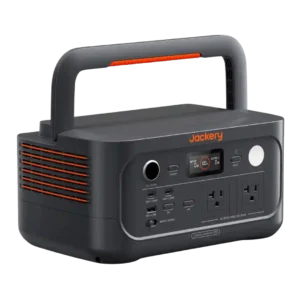
The integrated LED is a useful bonus for camping and outages, offering practical illumination and emergency modes.
Pros: output stability, pure sine wave output
Cons: remaining runtime estimate, Bluetooth connectivity
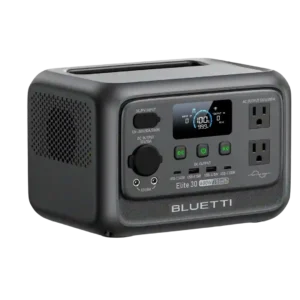
The lack of an integrated light is a repeated complaint. For a product aimed at camping and emergency backup, a small area light would make it more complete.
Pros: rated output, output stability
Cons: over-voltage protection, cold-weather performance
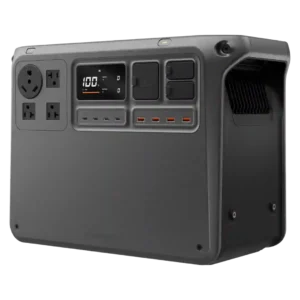
The missing integrated light is a minor but repeated disappointment for camping and emergency use.
Pros: rated output, peak output
Cons: startup reliability, full-load noise
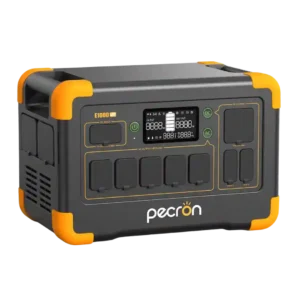
The lack of an integrated light is a repeated annoyance for camping and blackout use, especially because several competing stations include one.
Pros: inverter quality, LiFePO4 battery
Cons: idle noise, built-in light
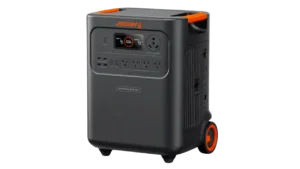
The missing built-in light drew direct criticism because a front light would make outage setup and monitoring easier in the dark.
Pros: output stability, voltage regulation
Cons: DC output, 12-volt outlet
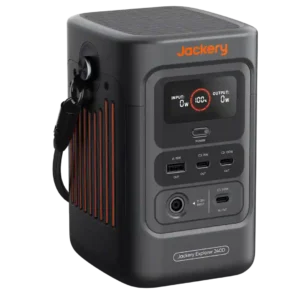
There is no built-in lantern, a notable omission beside competitors such as the Anker C300 DC. Campers may need to carry a separate light.
Pros: power output, rated output
Cons: AC outlet count, repairability