Best for 12-volt outlet
AFERIY P280
5.0 feature score
Highest scored product for this feature based on supporting review evidence.

Highest scored product for this feature based on supporting review evidence.
Balances feature score, supporting reviews, and overall product strength.
Has the broadest review evidence for this feature.
Strongest overall product among items with scored evidence for this feature.
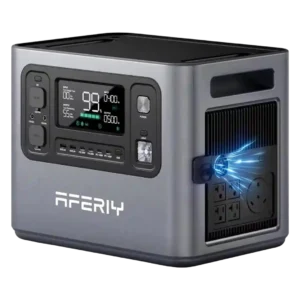
The 12V system is a standout for camper and RV use, with reviewers successfully running fridges, heaters, lights, pumps, and other vehicle loads.
Pros: rated output, peak output
Cons: app connectivity, voltage regulation
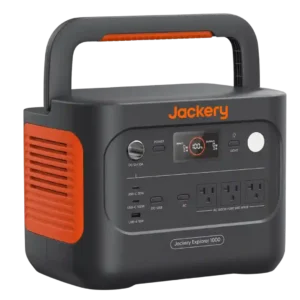
The 12-volt socket is genuinely useful for fridges and other vehicle-style gear, including continuous car-camping use.
Pros: rated output, peak output
Cons: standby power loss, specification accuracy
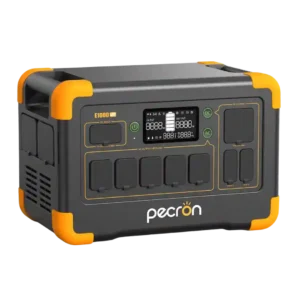
The retained 12V car socket is a real strength for camping and overlanding gear, especially alongside the barrel and XT60 DC outputs.
Pros: inverter quality, LiFePO4 battery
Cons: idle noise, built-in light
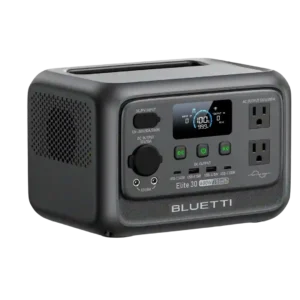
The 12V outputs are especially useful for camping fridges, heated blankets, fans, and other DC gear. Extra barrel ports make it possible to run more than one 12V device.
Pros: rated output, output stability
Cons: over-voltage protection, cold-weather performance
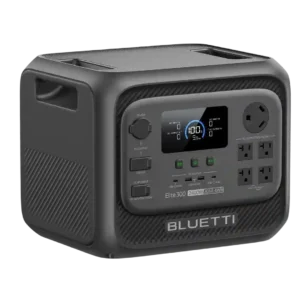
The 12V connections are genuinely useful for fridges, pumps, inflators, and vehicle accessories, especially when paired with the higher-current output.
Pros: surge capacity, voltage regulation
Cons: water resistance, ventilation requirements
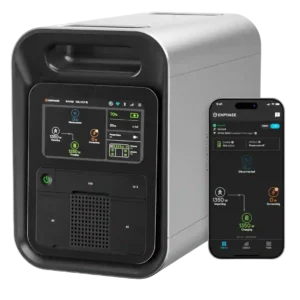
The 12-volt socket rounds out the port selection for vehicle-style accessories and small DC gear.
Pros: rated output, output stability
Cons: runtime at full load, RV outlet
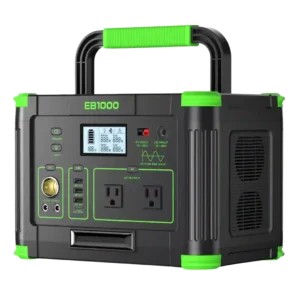
The 12V connection adds useful flexibility for vehicle accessories, food warmers, coolers, and other DC equipment.
Pros: rated output, output stability
Cons: battery expandability, startup reliability
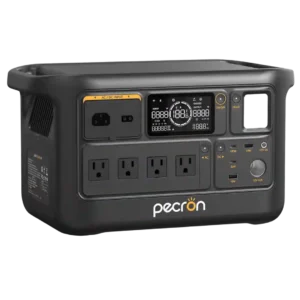
The 12V car socket performed strongly in load testing, sustaining roughly 130–145W before protection eventually cut in above its nominal limit.
Pros: rated output, peak output
Cons: startup reliability, whole-home integration
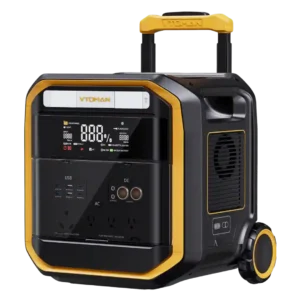
Dual car-style sockets are an uncommon strength, giving 12V users more flexibility than many large power stations. Reviewers especially liked that VTOMAN did not drop these ports in a home-backup-focused...
Pros: power output, surge capacity
Cons: specification accuracy, peak output
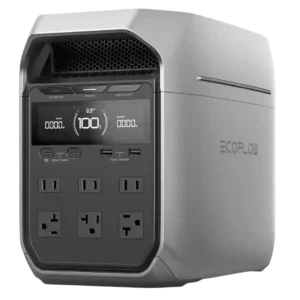
The regulated car socket is welcomed for camping fridges and vehicle accessories, though one test found noticeable voltage sag at the full 10A load.
Pros: rated output, peak output
Cons: 30-amp output, parallel operation support
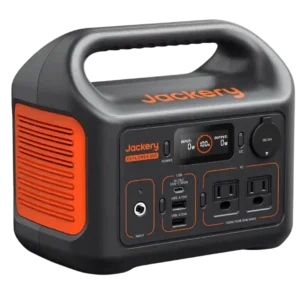
The 12V car-style outlet is useful for accessories and regulated loads, though one reviewer found it less relevant to their own gear.
Pros: output stability, voltage regulation
Cons: battery expandability, water resistance
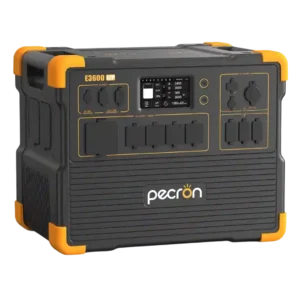
The high-current 12-volt output is useful for van and RV systems, though one prototype’s DC circuit failed after sustained testing.
Pros: power output, rated output
Cons: output stability, voltage regulation
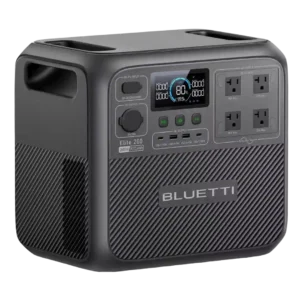
The regulated car-style outlet works well for coolers and other basic DC gear, though its 10-amp ceiling limits more demanding van accessories.
Pros: output stability, pure sine wave output
Cons: specification accuracy, startup reliability
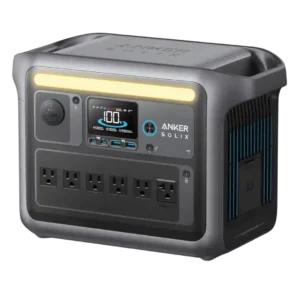
The regulated car-style output is useful for coolers, pumps, and other vehicle accessories. Testing also shows that its wattage ceiling is more modest than the AC inverter.
Pros: power output, rated output
Cons: dual-input charging, cable storage
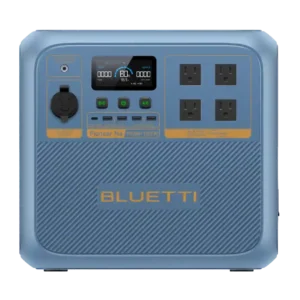
The regulated 12V output delivered respectable DC capacity in testing, making it useful for vehicle-style loads and DC accessories.
Pros: pure sine wave output, startup performance
Cons: MPPT controller performance, battery expandability
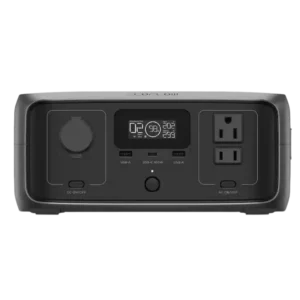
The 12V outlet works well for coolers and some vehicle accessories, but several owners found it unreliable with compressors and surge-heavy devices.
Pros: noise level, idle noise
Cons: self-discharge rate, air travel suitability
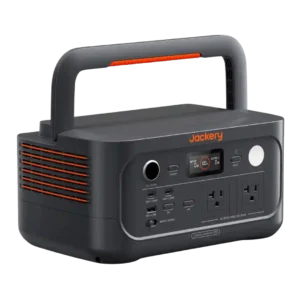
The 12V car socket is still useful for accessories, though one reviewer felt it is becoming less important as USB standards take over.
Pros: output stability, pure sine wave output
Cons: remaining runtime estimate, Bluetooth connectivity
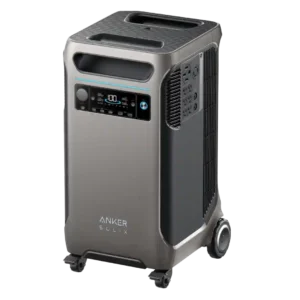
The single 12V socket works for basic accessories, but one tester wished the unit offered at least two.
Pros: rated output, output stability
Cons: car charging speed, USB-A ports
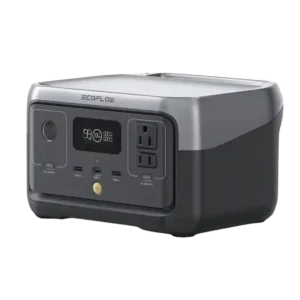
The car-style outlet handles many accessories, though a few owners reported heater incompatibility or outright port failure and reviewers disliked the loose or missing cover.
Pros: surge capacity, output stability
Cons: dual-input charging, whole-home integration
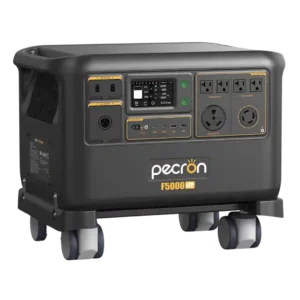
The missing cigarette-lighter-style 12V socket is a recurring annoyance, especially for RV and camping accessories. Reviewers see the omission as an unnecessary compatibility limitation.
Pros: power output, output stability
Cons: firmware updates, built-in light
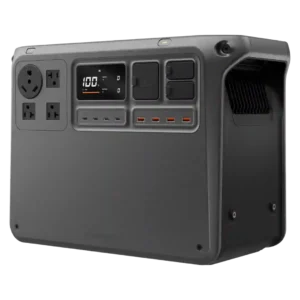
The lack of a built-in 12V car socket is a recurring complaint because an SDC adapter is required for common fridges and camping gear.
Pros: rated output, peak output
Cons: startup reliability, full-load noise
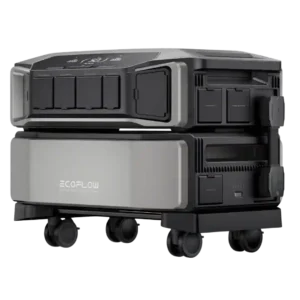
The DPU’s lack of a cigarette-lighter socket is a repeated drawback for camping and vehicle-style DC use. Its regulated DC options help, but buyers may need an adapter.
Pros: power quality, simultaneous device support
Cons: battery percentage accuracy, firmware updates
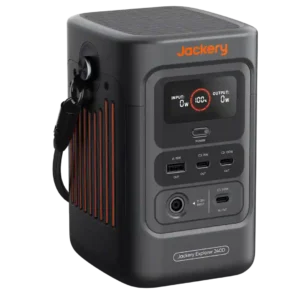
The 240D omits a car-style 12V output, which is a real drawback for portable fridges and other vehicle accessories. USB-only users may not miss it.
Pros: power output, rated output
Cons: AC outlet count, repairability
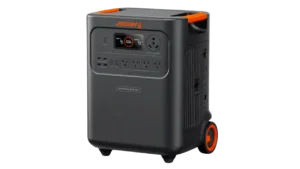
Reviewers repeatedly criticized the absence of a native 12V automotive-style outlet, especially for camping and overlanding use.
Pros: output stability, voltage regulation
Cons: DC output, 12-volt outlet

The main unit has no 12V socket, a repeated limitation for RV, vehicle, and general DC use.
Pros: power output, rated output
Cons: USB-A ports, 12-volt outlet