Best for Mesh network expansion
TP-Link Deco 7 Pro BE63
4.8 attribute score
Highest scored product for this attribute based on supporting review evidence.

Highest scored product for this attribute based on supporting review evidence.
Balances the attribute score, supporting reviews, and overall product strength.
Has the broadest review evidence for this attribute.
Strongest overall product among items with scored evidence for this attribute.

Overall: 4.2/5
Adding compatible Deco units or retaining older nodes makes staged mesh expansion easy.
Pros: value for money, Wi-Fi speed
Cons: subscription requirements, long-range speed

Overall: 4.1/5
Additional nodes can extend coverage easily; older mixed-model nodes may limit available features and speeds.
Pros: value for money, mobile app quality
Cons: Ethernet port count, subscription requirements

Overall: 4.3/5
EasyMesh provides a convenient expansion path, but dedicated mesh systems can offer better roaming and backhaul features.
Pros: value for money, Wi-Fi speed
Cons: subscription requirements, WAN port speed

Overall: 4.1/5
EasyMesh is a flexible, affordable way to expand coverage. Ethernet backhaul is preferable, and some secondary network names may not extend to satellites.
Pros: value for money, Wi-Fi speed
Cons: 6 GHz performance, subscription requirements
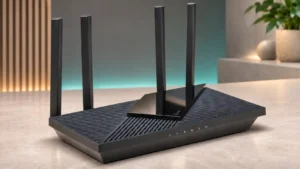
Overall: 4.0/5
Compatible mesh extenders can provide affordable additional coverage; verify the actual hardware revision and mesh compatibility first.
Pros: value for money, parental controls
Cons: subscription requirements, multi-gig Ethernet support
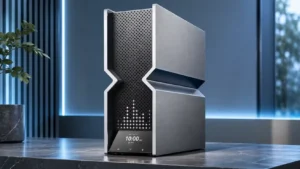
Overall: 4.1/5
EasyMesh provides an upgrade path for coverage, but cross-brand compatibility and wireless backhaul performance are caveats.
Pros: wireless performance, Wi-Fi speed
Cons: value for money, size and footprint