Best for programmable button support
Hyperkin The Competitor
5.0 attribute score
Highest scored product for this attribute based on supporting review evidence.

Highest scored product for this attribute based on supporting review evidence.
Balances the attribute score, supporting reviews, and overall product strength.
Has the broadest review evidence for this attribute.
Strongest overall product among items with scored evidence for this attribute.
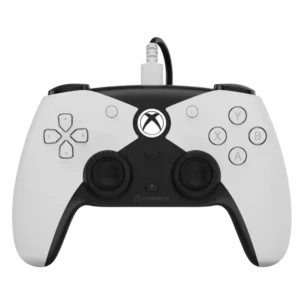
Two programmable rear controls add real utility for jump, reload, parry, or other actions without leaving the sticks. They are one of the most valued extras at this price.
Pros: overall satisfaction, value for money
Cons: wired performance, vibration quality
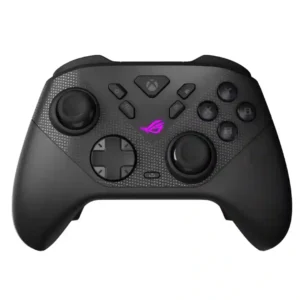
Programmable rear controls are genuinely useful because they can be assigned quickly and moved to important in-game actions without taking a thumb off the sticks.
Pros: overall satisfaction, button quality
Cons: d-pad accuracy, charging dock support
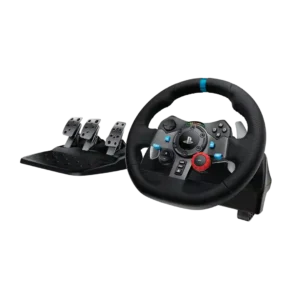
The wheel offers plenty of assignable controls for vehicle settings, menus, and PC shortcuts. The extra PlayStation buttons and rotary dial are especially useful in games that support custom mapping.
Pros: force feedback quality, overall satisfaction
Cons: wheel noise, pedal set stability
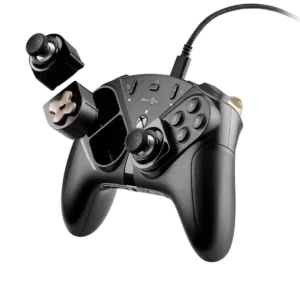
Four programmable rear inputs add meaningful competitive flexibility and can be customized to suit different games.
Pros: overall satisfaction, customization depth
Cons: value for money, upgrade value
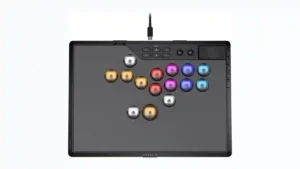
The extra programmable buttons give fighting-game players useful places for parry, tag, jump, and other actions. Reviewers generally liked the flexibility, especially for moves that would otherwise require awkward finger...
Pros: overall satisfaction, button quality
Cons: control placement, button noise
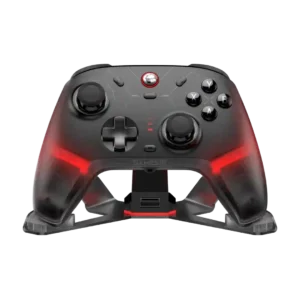
Programmable button support was praised for controller-side programming and the shift-layer modifier feature.
Pros: value for money, charging dock support
Cons: d-pad feel, compatibility with Xbox
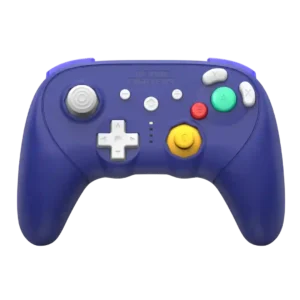
The two rear programmable buttons are easy to set up and frequently praised as a useful modern addition to the GameCube layout.
Pros: overall satisfaction, overall comfort
Cons: button quality, value for money
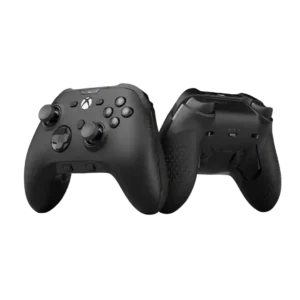
Programmable button support was positive, with reviewers praising remappable rear controls and easy programming.
Pros: analog stick precision, software customization
Cons: value for money, companion app quality
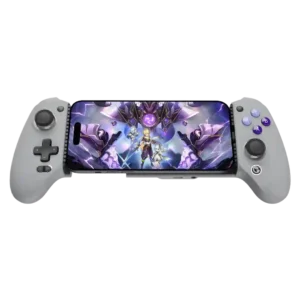
Two programmable rear inputs give the controller more flexibility than many mobile rivals. They can usually be assigned without needing to interrupt play with an app.
Pros: overall satisfaction, overall comfort
Cons: phone grip and fit, durability
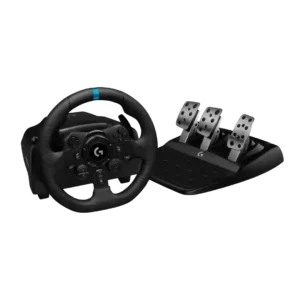
Wheel buttons can be assigned through G Hub for game-specific functions.
Pros: overall satisfaction, brake pedal performance
Cons: value for money, TrueForce game support
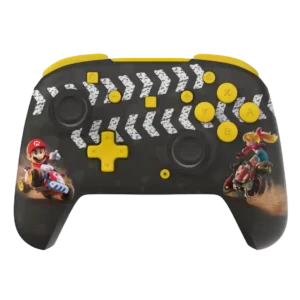
Programmable rear controls are a meaningful extra across several variants, giving faster access to actions and more flexibility than basic first-party layouts.
Pros: overall satisfaction, value for money
Cons: premium feel, vibration quality
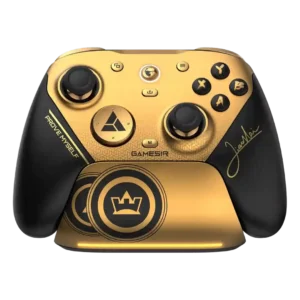
Four extra programmable inputs add meaningful flexibility for shooters, action games, and macros. The rear locks are particularly useful when extra buttons are not needed.
Pros: overall satisfaction, button quality
Cons: vibration quality, compatibility with Xbox
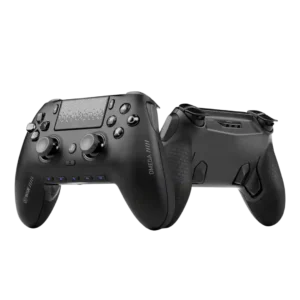
Programmable buttons give the Omega much of its pro-controller appeal. The limitation is that PlayStation mode does not unlock every G-key the way PC mode does.
Pros: overall satisfaction, companion app quality
Cons: back button placement, value for money
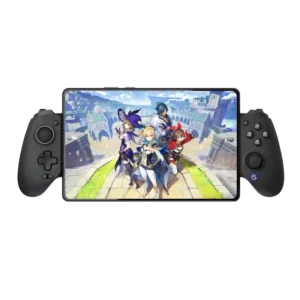
Rear buttons are useful and easy to map on supported platforms, but iOS Bluetooth limitations can leave them unusable.
Pros: value for money, phone grip and fit
Cons: companion app quality, vibration quality
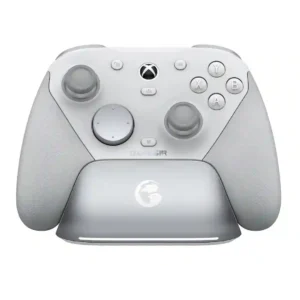
Four programmable extra inputs give the G7 Pro useful flexibility, and lockouts help players avoid accidental presses. Layout preference is subjective, especially for users who would rather have four traditional...
Pros: overall satisfaction, premium feel
Cons: compatibility with Xbox, d-pad feel
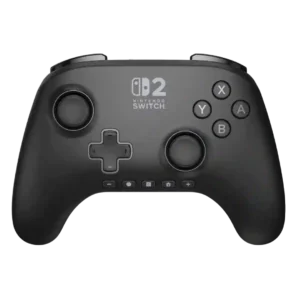
Programmable rear controls are useful and easy for many users, but at least one customer reports being unable to program the extra button at all.
Pros: overall satisfaction, design and aesthetics
Cons: Switch wake support, Start and Select button design
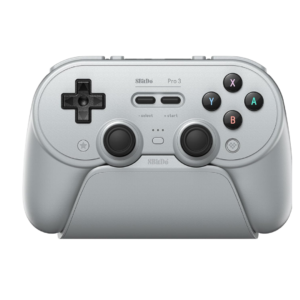
Four additional inputs provide useful shortcuts without requiring a full pro-controller price. The rear pair are well liked, while L4/R4 reach and assignment restrictions draw more criticism.
Pros: overall satisfaction, charging dock support
Cons: button noise, 2.4GHz dongle performance
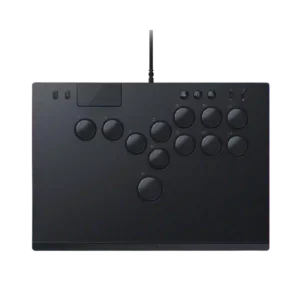
Programmable support drew criticism from one reviewer who wanted more useful front-facing aux functions.
Pros: face button responsiveness, button quality
Cons: value for money, learning curve