Best for customization depth
Thrustmaster eSwap X2 H.E.
5.0 attribute score
Highest scored product for this attribute based on supporting review evidence.

Highest scored product for this attribute based on supporting review evidence.
Balances the attribute score, supporting reviews, and overall product strength.
Has the broadest review evidence for this attribute.
Strongest overall product among items with scored evidence for this attribute.
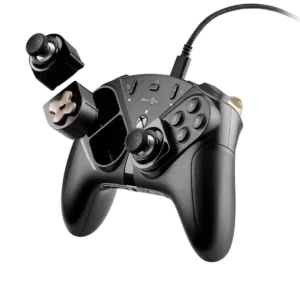
Modularity is one of the product's defining strengths, allowing fast stick/D-pad rearrangement, alternate modules, and extensive per-game customization.
Pros: overall satisfaction, customization depth
Cons: value for money, upgrade value
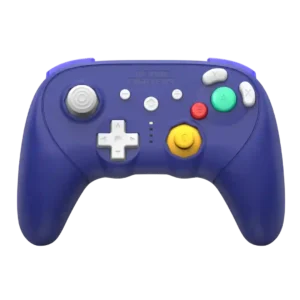
Rear-button mapping can cover single presses or multi-command macros, giving the controller unusually broad on-the-fly customization for a GameCube-style pad.
Pros: overall satisfaction, overall comfort
Cons: button quality, value for money
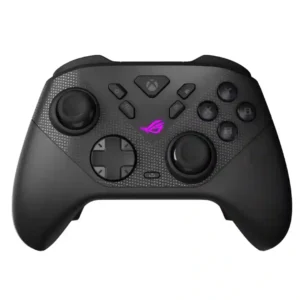
Customization is deep, covering stick curves and deadzones, trigger ranges, vibration, lighting, mappings and profiles. Testers repeatedly describe the tuning range as one of the controller’s premium strengths.
Pros: overall satisfaction, button quality
Cons: d-pad accuracy, charging dock support
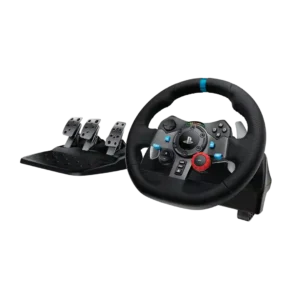
The fixed wheel is not modular out of the box, yet a broad aftermarket offers replacement rims, pedal springs, brake inserts, and other upgrades. Tinkerers have plenty of ways to...
Pros: force feedback quality, overall satisfaction
Cons: wheel noise, pedal set stability
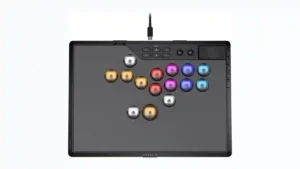
Customization is exceptionally deep, covering actuation, SOCD behavior, profiles, mappings, lighting, and more. The tradeoff is complexity: several reviewers love the control, while others say the abundance of settings becomes...
Pros: overall satisfaction, button quality
Cons: control placement, button noise
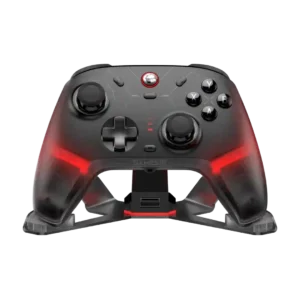
Customization depth was consistently praised for broad software control, profiles, and shift-layer expansion.
Pros: value for money, charging dock support
Cons: d-pad feel, compatibility with Xbox
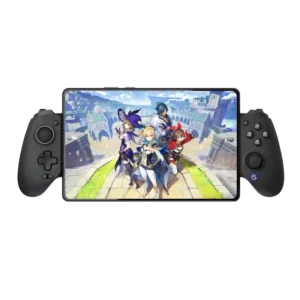
Swappable sticks, movable ABXY caps, remapping, dead-zone tuning, and trigger options make customization a major strength.
Pros: value for money, phone grip and fit
Cons: companion app quality, vibration quality

Customization depth is stronger than the size suggests. Reviewers mention modes, shortcuts, remapping, keyboard mode, and D-pad-as-stick behavior, but that flexibility can also make setup feel busier.
Pros: retro gaming suitability, ease of setup
Cons: overall satisfaction, d-pad accuracy
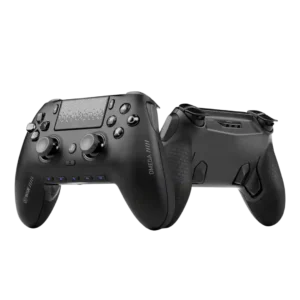
Customization depth is one of the Omega’s defining strengths, spanning faceplates, sticks, buttons, profiles, paddles, triggers, and software settings. The depth is best on PC.
Pros: overall satisfaction, companion app quality
Cons: back button placement, value for money
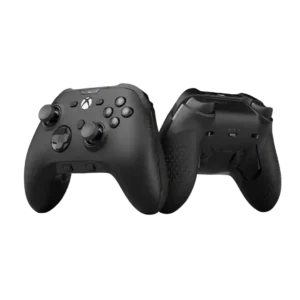
Customization depth was a major strength, with reviewers praising swappable parts, deadzone/curve settings, profiles, and overall personalization.
Pros: analog stick precision, software customization
Cons: value for money, companion app quality

Magnetic faceplates, swappable stick caps, adjustable modes, and mapping options create unusually deep customization. The main frustration is that alternate sticks are supplied as singles rather than matching pairs.
Pros: overall satisfaction, overall comfort
Cons: phone grip and fit, durability
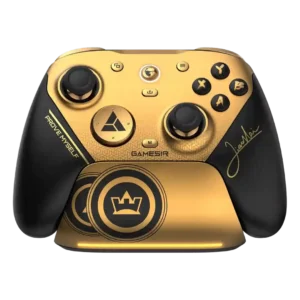
Physical swaps, button mapping, macros, profiles, stick tuning, trigger settings, and gyro controls provide unusually deep customization for the price.
Pros: overall satisfaction, button quality
Cons: vibration quality, compatibility with Xbox
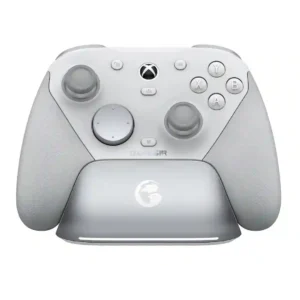
Customization is one of the G7 Pro’s biggest strengths, spanning swappable D-pads and faceplates, four profiles, remapping, curves, deadzones, gyro, and vibration. Hardware modularity is less complete because the main...
Pros: overall satisfaction, premium feel
Cons: compatibility with Xbox, d-pad feel
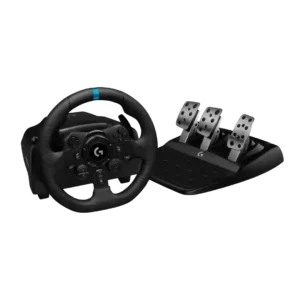
PC users get broad adjustment options through G Hub, although some reviewers still wanted deeper advanced controls.
Pros: overall satisfaction, brake pedal performance
Cons: value for money, TrueForce game support
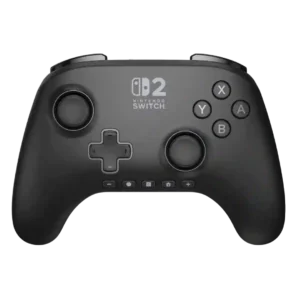
Programmable rear controls give players meaningful input customization without requiring a complex setup.
Pros: overall satisfaction, design and aesthetics
Cons: Switch wake support, Start and Select button design
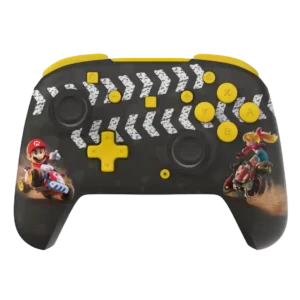
The Core’s app provides a useful layer of control over dead zones, vibration, and remapping without turning the controller into an overly complex pro pad.
Pros: overall satisfaction, value for money
Cons: premium feel, vibration quality
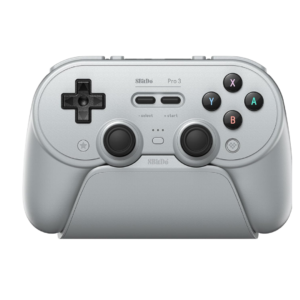
Swappable magnetic face buttons, replaceable stick caps, four extra inputs, profiles, macros, sensitivity, trigger, and vibration controls create unusually broad customization. Platform and software restrictions prevent every option from working...
Pros: overall satisfaction, charging dock support
Cons: button noise, 2.4GHz dongle performance
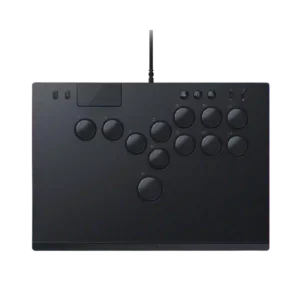
Customization depth was mixed: switch and keycap compatibility were praised, but vinyl art and limited optical-switch options drew caveats.
Pros: face button responsiveness, button quality
Cons: value for money, learning curve
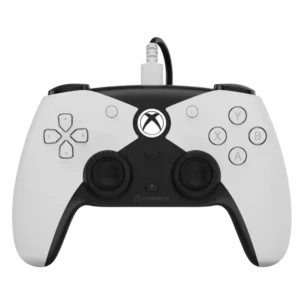
Customization is intentionally shallow: rear-button mapping and swappable caps are useful, but there are no deep profiles, turbo settings, trigger tuning, or stick-curve controls.
Pros: overall satisfaction, value for money
Cons: wired performance, vibration quality