Best for competitive gaming suitability
Asus ROG Raikiri II
5.0 attribute score
Highest scored product for this attribute based on supporting review evidence.

Highest scored product for this attribute based on supporting review evidence.
Balances the attribute score, supporting reviews, and overall product strength.
Has the broadest review evidence for this attribute.
Strongest overall product among items with scored evidence for this attribute.
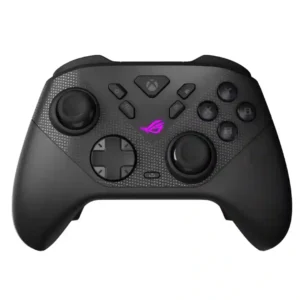
Competitive play is the controller’s clearest use case. Fast micro-switches, trigger stops, rear controls and low-latency connectivity repeatedly earn praise for shooters and other reaction-heavy games.
Pros: overall satisfaction, button quality
Cons: d-pad accuracy, charging dock support
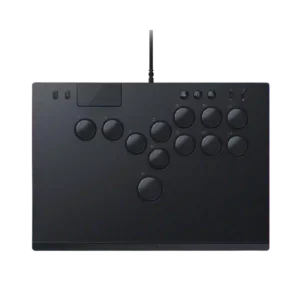
Competitive suitability was strong, with reviewers highlighting tournament appeal and competitive edge.
Pros: face button responsiveness, button quality
Cons: value for money, learning curve
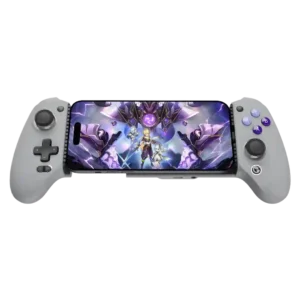
Fast response, precise sticks, rear buttons, and hair-trigger mode make it capable of competitive play. The D-pad and app-dependent setup prevent it from being equally strong in every genre.
Pros: overall satisfaction, overall comfort
Cons: phone grip and fit, durability
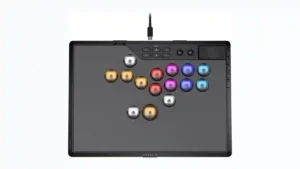
Tournament-oriented features are a major strength, including Game Mode, SOCD controls, extra mappings, fast input response, and wired or low-latency wireless options. Reviewers consistently see the Novablade Pro as built...
Pros: overall satisfaction, button quality
Cons: control placement, button noise
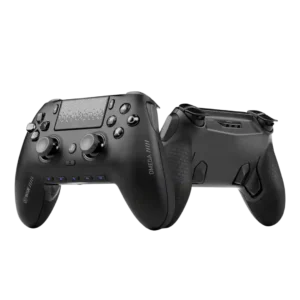
Competitive suitability is the Omega’s strongest identity. Reviewers repeatedly recommend it for shooters, Fortnite, Warzone, fighting games, and players chasing faster inputs.
Pros: overall satisfaction, companion app quality
Cons: back button placement, value for money
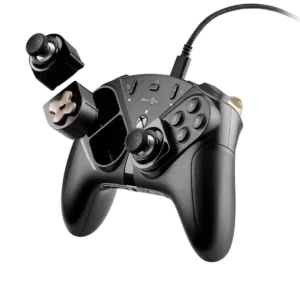
Competitive play is a core strength thanks to low wired latency, fast mechanical buttons, rear inputs, Hall effect precision, and effective trigger stops.
Pros: overall satisfaction, customization depth
Cons: value for money, upgrade value
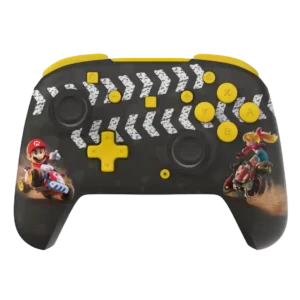
Low-latency wired play, rear buttons, and trigger stops make the Advanced/Core variants credible entry-level competitive options.
Pros: overall satisfaction, value for money
Cons: premium feel, vibration quality
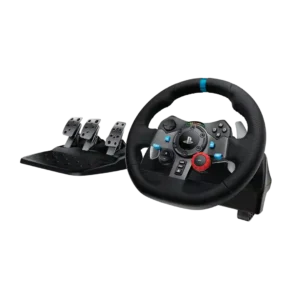
The G29 can support genuinely competitive lap times after a short adjustment period. Higher-end gear offers more detail and consistency, but the wheel itself is not a major speed barrier.
Pros: force feedback quality, overall satisfaction
Cons: wheel noise, pedal set stability
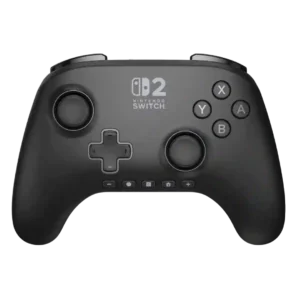
Custom bindings and rear inputs give the controller a more performance-oriented setup that one reviewer felt could support competitive play.
Pros: overall satisfaction, design and aesthetics
Cons: Switch wake support, Start and Select button design
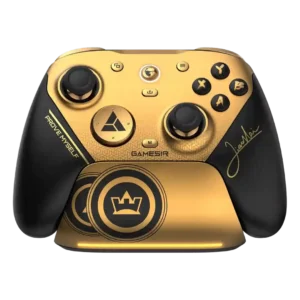
Competitive players praise the low latency, precise sticks, trigger stops, and extra controls. The feature set is especially compelling for ranked shooters and esports-style play.
Pros: overall satisfaction, button quality
Cons: vibration quality, compatibility with Xbox
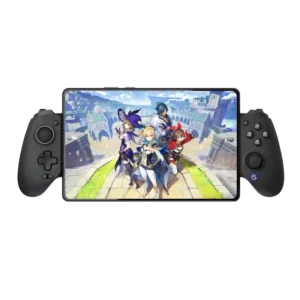
Wired low latency, precise sticks, and rear buttons suit competitive play, while Bluetooth delay remains a caveat.
Pros: value for money, phone grip and fit
Cons: companion app quality, vibration quality
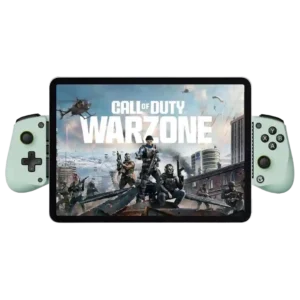
Reviewers discuss competitive gaming suitability as part of the X5 Lite’s budget mobile-controller tradeoff. Comments are practical and tied to phone gaming, device fit, or the limits of the Lite...
Pros: overall satisfaction, value for money
Cons: d-pad accuracy, analog trigger precision
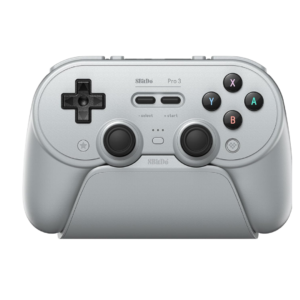
Trigger stops, precise sticks, and extra buttons provide useful competitive tools. The 250Hz polling ceiling, slippery caps, and occasional latency concerns keep it below dedicated esports controllers.
Pros: overall satisfaction, charging dock support
Cons: button noise, 2.4GHz dongle performance
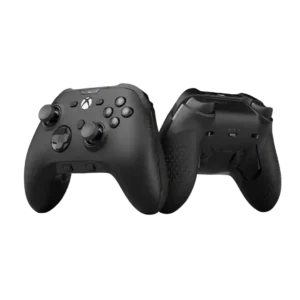
Competitive gaming suitability was mixed-positive: many saw it as a serious pro controller, but comfort, price, software, and FPS issues limited confidence for some.
Pros: analog stick precision, software customization
Cons: value for money, companion app quality
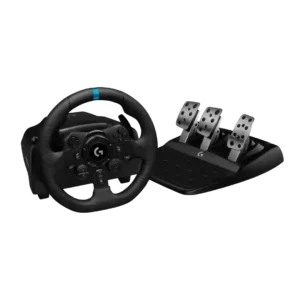
The wheel supplies enough handling detail for fast laps and competition, though stronger systems offer greater precision.
Pros: overall satisfaction, brake pedal performance
Cons: value for money, TrueForce game support
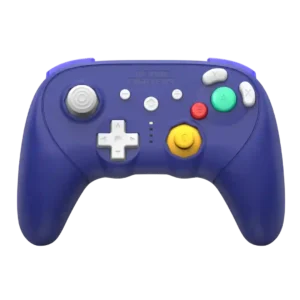
Competitive suitability depends heavily on the game: Smash-focused testers can love it, while low polling, latency, and D-pad limitations hurt precision-focused play.
Pros: overall satisfaction, overall comfort
Cons: button quality, value for money
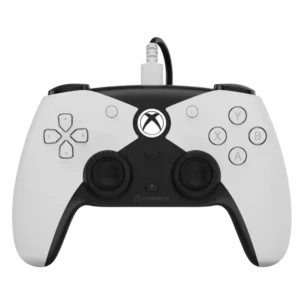
Competitive opinions are mixed: some praise the wired connection and stable response for tournaments, while others reject the 250 Hz rate, long trigger travel, or D-pad quirks. It is capable,...
Pros: overall satisfaction, value for money
Cons: wired performance, vibration quality
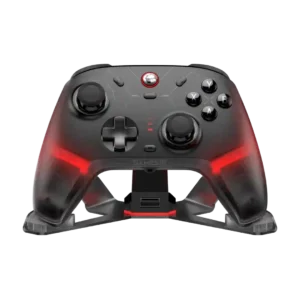
Competitive gaming suitability was mixed: reviewers praised speed and value, but others wanted higher-end options or disliked mobile competitive reliability.
Pros: value for money, charging dock support
Cons: d-pad feel, compatibility with Xbox
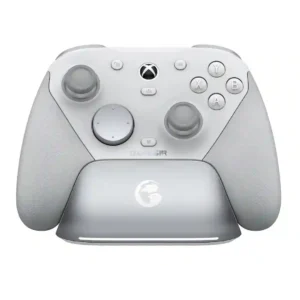
Fast TMR aiming, short trigger pulls, extra buttons, and high polling rates make the G7 Pro attractive for competitive play. The appeal is tempered by mixed D-pad feedback and disagreement...
Pros: overall satisfaction, premium feel
Cons: compatibility with Xbox, d-pad feel