Best for editing quality
The Pitt, Season 2
5.0 attribute score
Highest scored product for this attribute based on supporting review evidence.

Highest scored product for this attribute based on supporting review evidence.
Balances the attribute score, supporting reviews, and overall product strength.
Has the broadest review evidence for this attribute.
Strongest overall product among items with scored evidence for this attribute.

The nonlinear cutting is repeatedly praised for making flashbacks and flashforwards feel purposeful and for adding to the mystery rather than simply scrambling chronology.
Pros: main cast performance, humor
Cons: genre satisfaction, episode pacing

Editing is repeatedly praised for clarity and flow inside the chaotic ER. Critics call it sharp, fluid, and essential to making many simultaneous plotlines feel understandable.
Pros: realism, emotional impact
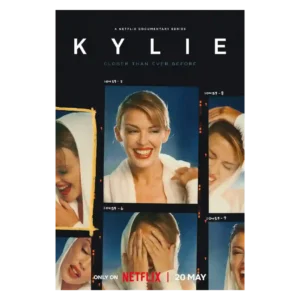
The editing draws repeated praise for momentum and style, especially in conveying the chaos of Kylie's rapid rise.
Pros: emotional impact, interview and source material quality

Editing is a notable strength in the best-regarded episodes, with deft cuts and sustained tension helping the show move cleanly between suspicion, confrontation, and revelation.
Pros: bingeability, main cast performance
Cons: plot twists, writing quality
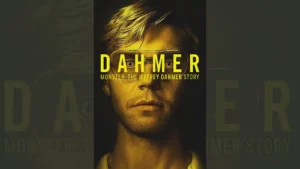
A restrained visual reveal in the pilot is singled out as masterful because it lets attentive viewers notice horror without forcing a close-up. The subtle edit makes the scene scarier...
Pros: acting quality, cultural representation
Cons: ethical sensitivity, character balance
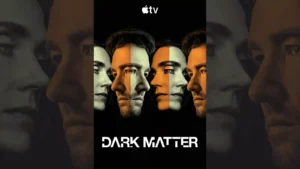
Editing is singled out as a major improvement, especially for finding expressive beats in body language, faces, and silent interactions.
Pros: story quality, theme depth
Cons: plot clarity, season pacing

Quick cuts are used deliberately for comic effect and were praised as part of the show's energetic technique. The editing helps reinforce the frantic rhythm rather than simply documenting it.
Pros: humor, story quality
Cons: plot clarity, season length

Cutaways, held reaction shots, and comic timing are described as crucial to how the show still extracts laughs from familiar characters.
Pros: humor, story quality
Cons: plot originality
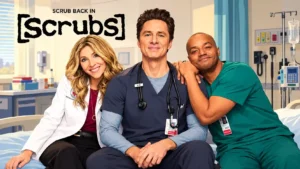
The episode-five flashback turns original footage into J.D.’s personal memory. Its cutting creates grief and intimacy rather than relying only on audience nostalgia.
Pros: humor, franchise connection
Cons: character development, character balance
Editing is praised when paired with score and visuals in the food montages, giving the season a polished, immersive rhythm.
Pros: series finale quality, character development
Cons: episode pacing, visual style
Editing receives direct praise for keeping the intrigue tight and maintaining momentum through shifting identities, locations and parallel operations.
Pros: entertainment value, renewal interest
Cons: finale satisfaction, plot originality
The premiere’s cross-cut montage is a standout construction, combining sexuality, loneliness, and radicalized media consumption into one bravura sequence.
Pros: modern political framing, drama quality
Cons: finale satisfaction, season finale quality

A carefully timed jump around John’s hearing is singled out as an especially effective edit, compressing time while preserving tension.
Pros: main cast performance, theme depth
Cons: story quality, character development
Kinetic editing helps sharpen betrayals and legal reversals, adding momentum to scenes that might otherwise play as talk-heavy procedural material.
Pros: acting quality, entertainment value
Cons: finale satisfaction, realism

Editing is one of the clearest technical strengths, especially in social-deduction sequences and the improved handling of a huge cast. Information is withheld or revealed in ways that actively build...
Pros: emotional impact, plot originality
Cons: entertainment value, character likability
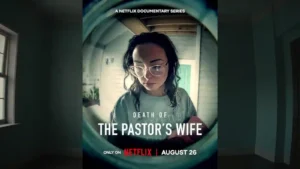
Editing receives strong marks for effective archival integration, purposeful repetition, and turning a large amount of material into a clear linear story.
Pros: emotional impact, educational value
Cons: plot clarity

Rapid cutting is often praised for matching Lestat’s manic perspective and musical energy. The speed can be demanding, but the edit is repeatedly treated as purposeful rather than careless.
Pros: soundtrack quality, story quality
Cons: season pacing, character balance
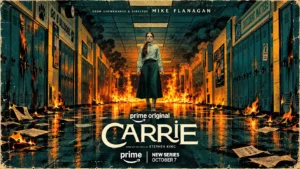
The visual parallels in the party episode and the opening episode’s transitions are especially effective. Editing helps connect emotional shifts without lengthy explanations.
Pros: main cast performance, character development
Cons: story quality, finale satisfaction
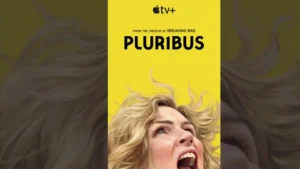
Editing is praised for giving the series a distinctive rhythm, with carefully shaped montages and unconventional transitions reinforcing its fresh narrative voice.
Pros: acting quality, story quality
Cons: season pacing, character likability

Abrupt smash cuts, disorienting transitions, long takes, and inserted home-video footage are used purposefully to disturb the viewer’s sense of time and safety.
Pros: suspense, theme depth
Cons: season pacing, story quality
Editing is a bright spot, especially the clean transitions between archival footage and the final-year material. The series is praised for making its timelines and footage sources coexist smoothly.
Pros: theme depth, interview and source material quality
Cons: episode pacing, season length

Basketball sequences are cut with enough speed and clarity to keep the action readable and exciting.
Pros: main cast performance, supporting cast performance
Cons: season pacing, episode structure

Editing is praised for playful energy and feverish momentum, particularly when events spiral quickly or the show shifts into heightened action.
Pros: story quality, renewal interest
Cons: season pacing, plot clarity
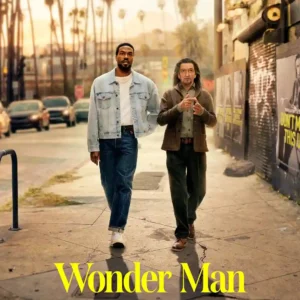
Editing generally supports the compact, TV-like structure, though the broader season flow is less consistently smooth.
Pros: entertainment value, humor
Cons: critic appeal, villain quality
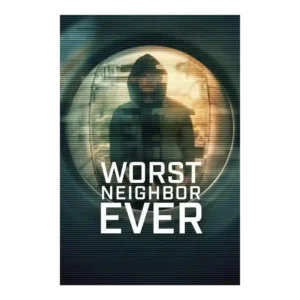
Editing earns positive marks where archival footage, interviews, visuals, and documentary material are woven into a slick package. Critics who mention it tend to see it as part of the...
Pros: suspense, entertainment value
Cons: theme depth

The editing is credited with selecting strong takes and helping preserve the show’s frenetic, ad-lib-like comic energy.
Pros: humor, cast chemistry
Cons: season length, season pacing

Playful editing adds energy without forcing the ecological story into relentless gloom. This lighter touch complements the show's humor.
Pros: entertainment value, main cast performance
Cons: writing quality, season pacing
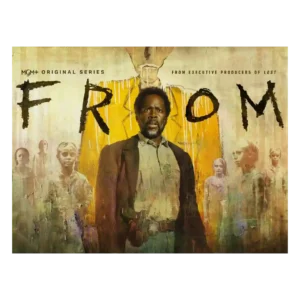
Editing receives a narrow but positive note for the premiere’s reveal, though another viewer thinks simple editing fixes could improve flow elsewhere.
Pros: acting quality, emotional impact
Cons: story quality, season pacing
The use of archival news and documentary footage is a notable strength, helping anchor the dramatization in a recognizable historical texture.
Pros: story quality, main cast performance
Cons: season pacing, character balance

Parallel editing between the two timelines is used effectively to connect their themes without overexplaining the parallels.
Pros: character development, story quality
Cons: plot originality, realism
Brisk editing helps the hourlong episodes move, keeping the timeline shifts and parallel stories from feeling even heavier than they already are.
Pros: story quality, emotional impact
Cons: plot clarity, season pacing

The season is described as tightly edited, which reinforces its compact, emotionally heavy feel. The edit keeps the three-part story moving quickly.
Pros: story quality, emotional impact
Cons: season pacing
Editing earns praise where blackout-driven time manipulation adds tension to a drug-trip sequence.
Pros: genre satisfaction, suspense

Onscreen phone displays and rapid digital interruptions effectively communicate how Alex’s obligations pile up and collide.
Pros: theme depth, humor
Cons: character consistency
Stylish split-screen editing is repeatedly praised for connecting characters across phone lines and communicating reactions efficiently. One critic did note that the device becomes less consistent later in the season.
Pros: theme depth, story quality
Cons: season pacing, writing quality

The editing has at least one clever strength: cycling through propaganda responses from different sides of the conflict. Even a skeptical review credits that technique with giving events a wider...
Pros: interview and source material quality, audience appeal

Crisp editing and quick cuts help amplify the opening tension, while tight cuts and stillness later make the countdown-like danger feel immediate.
Pros: suspense, entertainment value
Cons: season pacing, episode pacing
Fast, rhythmic editing gives the series momentum and style, but the same hyperactive cutting can make scenes feel trailer-like or rushed.
Pros: entertainment value, cast chemistry
Cons: faithfulness to source material, plot clarity
Montages and cross-cutting are generally effective at linking major events and sustaining mood or suspense. The season’s connective editing is particularly useful when Earth and space storylines move in parallel.
Pros: story quality, character development
Cons: animation quality, season pacing
Editing draws mixed reactions: early time jumps can feel jarring, while the finale is praised for a nuanced, show-don’t-tell construction.
Pros: main cast performance, entertainment value
Cons: plot originality, sexual content level

Flashy editing contributes to the show’s glossy, high-energy surface even when the underlying story feels less controlled.
Pros: main cast performance, visual style
Cons: story quality, plot originality
The quicker mockumentary cutaways are specifically praised for improving comic timing and helping short reaction moments land more effectively.
Pros: humor, franchise connection
Cons: story quality, character balance

Editing around the timelines is mixed. Some reviewers think the now-and-then structure is implemented well, but others still report confusion as the cast ages up.
Pros: supporting cast performance, main cast performance
Cons: cast chemistry, plot clarity
Editing is fast and sometimes abrasive. The frenetic cutting supports the show’s maximum-overdrive energy, but it may be too much for viewers who prefer a calmer thriller rhythm.
Pros: main cast performance, supporting cast performance
Cons: plot clarity, season pacing
Editing is uneven overall, with structural transitions criticized, but the Lizzie postpartum breakdown sequence is singled out as exceptionally well cut.
Pros: story quality, emotional impact
Cons: drama quality, writing quality
The timeline shifts can feel seamless and purposeful, especially early on, but other critics find the shuffled chronology confusing and responsible for missing connective detail.
Pros: theme depth, emotional impact
Cons: audience appeal, writing quality
Editing draws split reactions. One critic misses the rapid-fire cutting associated with Ritchie’s action style, while another praises dynamically rhythmic edits that make action scenes sing.
Pros: story quality, entertainment value
Cons: season pacing, visual style
Editing only comes up around a credits song that was moved because the episode itself was too tight. The workaround appears to have paid off, but the note suggests some...
Pros: visual style, animation quality
Cons: lore depth, continuity
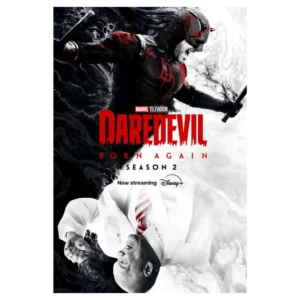
Editing splits opinion: one critic praises the brisk cutting, while another calls the editing the season’s biggest technical weakness and finds some transitions jarring.
Pros: story quality, entertainment value
Cons: season pacing, dialogue quality

The editing style can be brash, with fast cuts grouped alongside music and narration that may make some viewers cringe. It adds energy but is not the show’s smoothest element.
Pros: story quality, main cast performance
Cons: audience appeal, age appropriateness