Best for directing quality
DAHMER - Monster: The Jeffrey Dahmer Story
5.0 attribute score
Highest scored product for this attribute based on supporting review evidence.

Highest scored product for this attribute based on supporting review evidence.
Balances the attribute score, supporting reviews, and overall product strength.
Has the broadest review evidence for this attribute.
Strongest overall product among items with scored evidence for this attribute.
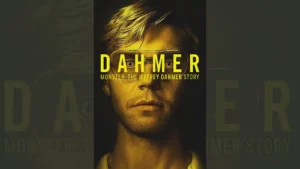
Direction is consistently praised where it is discussed, from the pilot’s controlled tension to “Silenced” and its more empathetic handling of Tony Hughes. The strongest episodes are often credited to...
Pros: acting quality, cultural representation
Cons: ethical sensitivity, character balance
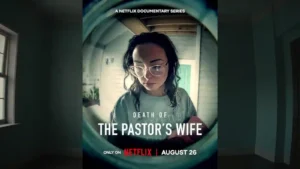
Julia Willoughby Nason and Mike Gasparro are praised for disciplined, careful direction that builds tension while resisting sensationalism.
Pros: emotional impact, educational value
Cons: plot clarity

Direction drew direct praise for keeping the chaos visually lively and emotionally legible. Michael Lennox is singled out as captivating, while another review applauds the fish-eye choices and comic quick-cut...
Pros: humor, story quality
Cons: plot clarity, season length
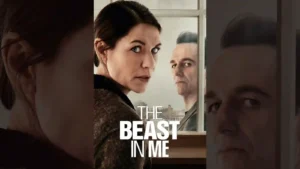
Antonio Campos’s direction is praised as assured, particularly in the way it probes damaged characters and sustains unease through framing and pacing.
Pros: bingeability, main cast performance
Cons: plot twists, writing quality

Direction is praised for retaining Guy Ritchie’s kinetic visual grammar while allowing darker material to breathe. Eran Creevy and Nick Rowland are also credited with fitting smoothly into that style.
Pros: story quality, renewal interest
Cons: season pacing, plot clarity

Nick Green receives explicit praise from one critic for taking a responsible, thorough approach. That positive directing assessment sits within a broader response that values the show’s willingness to hold...
Pros: media scrutiny portrayal, theme depth
Cons: interview and source material quality, plot originality
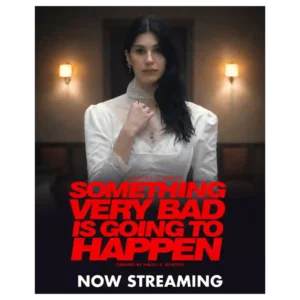
Strategic camera movement, lighting, and extended takes produce sustained unease, with the home-video and near-continuous-shot episodes singled out as especially effective.
Pros: suspense, theme depth
Cons: season pacing, story quality
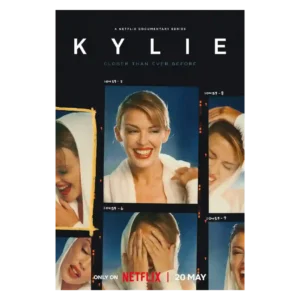
Michael Harte’s handling is praised for emotional restraint and a strong sense of when to let Kylie’s memories and relationships carry the moment.
Pros: emotional impact, interview and source material quality

Direction is praised for clarity and restraint, especially in differentiating timelines and keeping the drama authentic. The best directorial choices keep spectacle out of the family’s pain.
Pros: story quality, emotional impact
Cons: season pacing

The direction is praised for placing viewers inside the protagonist’s lustful point of view and for making comic beats visually expressive. The strongest notices credit those choices with helping the...
Pros: main cast performance, theme depth
Cons: story quality, character development

Cameron’s death is singled out for restrained, haunting direction that avoids pushing the emotion too aggressively.
Pros: audience appeal, drama quality
Cons: story quality, character development
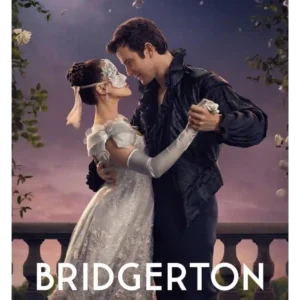
Direction is praised when it heightens romance and visual storytelling, but a few camera and blocking choices miss opportunities in major emotional scenes.
Pros: entertainment value, story quality
Cons: plot originality, writing quality

The direction receives explicit praise for helping the series feel more polished and engaging than its familiar premise might suggest.
Pros: sports storyline quality, character development
Cons: romance quality, plot originality
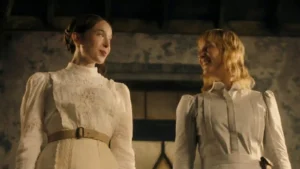
Max Winkler's command of the show's unusual dramatic-comic tone was specifically praised as clear from the outset.
Pros: acting quality, entertainment value
Cons: faithfulness to source material, violence level
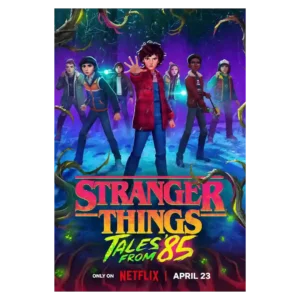
The strongest creative direction is streamlined and energetic, keeping the kids-versus-monsters adventure focused and free from much of the parent show’s later sprawl.
Pros: entertainment value, animation quality
Cons: spin-off quality, acting quality
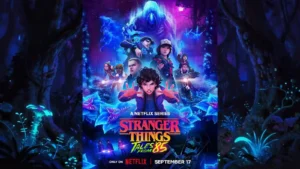
The animated visual direction gives Hawkins a distinct identity while preserving the atmosphere associated with Stranger Things.
Pros: animation quality, acting quality
Cons: story quality, character development
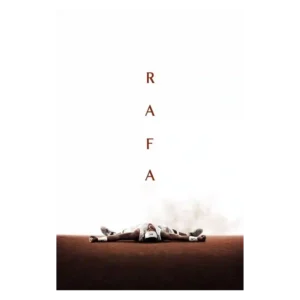
Zach Heinzerling’s direction draws praise for access, restraint, polish, and refusing to make the project feel like an infomercial. Even mixed reviews credit the focused study of decline and cost.
Pros: theme depth, interview and source material quality
Cons: episode pacing, season length
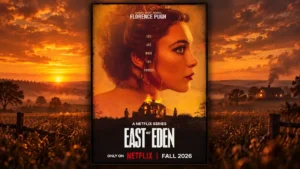
The direction is usually praised for balancing intimate character work with sweeping period scale. A smaller group finds the staging earthbound or overly somber, especially when paired with dark visuals.
Pros: main cast performance, story quality
Cons: character balance, episode pacing
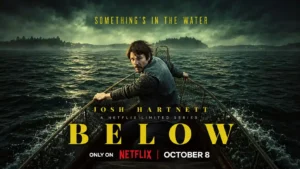
The handling of atmosphere and several high-intensity encounters is assured. Technical consistency often survives the later writing problems.
Pros: entertainment value, main cast performance
Cons: writing quality, season pacing
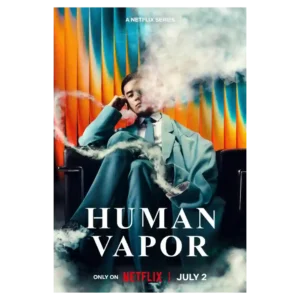
Direction gets positive early marks for energy and momentum. The first episode’s setup is described as lively enough to carry exposition and keep the unusual premise moving.
Pros: special effects quality, story quality
Cons: season pacing, drama quality
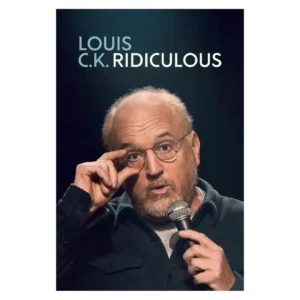
The staging and authorship are closely tied to C.K.’s established comic voice. The presentation fits his strengths as a writer, producer, and director.
Pros: theme depth, genre satisfaction
Cons: humor, sexual content level

Restrained off-court camera work keeps attention on the performances and lets quieter negotiations and conflicts play naturally.
Pros: main cast performance, supporting cast performance
Cons: season pacing, episode structure
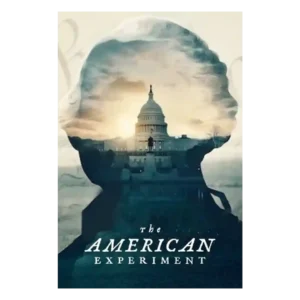
Brian Knappenberger’s historical storytelling is controlled and consistently crafted. The weaker moments come when the direction leans too hard on contemporary framing instead of letting the history speak.
Pros: interview and source material quality, theme depth
Cons: modern political framing, season pacing
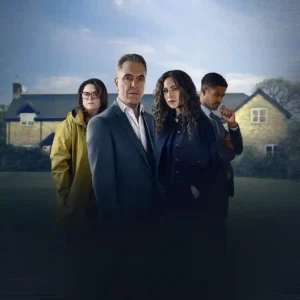
Direction receives polarized reactions: one review praises the directors for extracting excellent performances, while others find the staging and overall streaming-thriller aesthetic generic or performance-undermining.
Pros: entertainment value, story quality
Cons: plot clarity, finale satisfaction
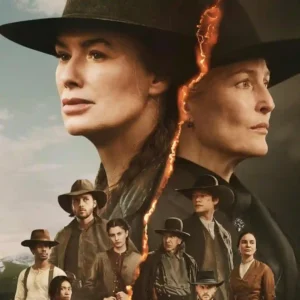
Direction gets mixed marks. Some reviews praise the visual handling and shootouts, while others fault flat staging, an uncertain dramatic mode, and badly handled action.
Pros: main cast performance, production design
Cons: character development, season pacing
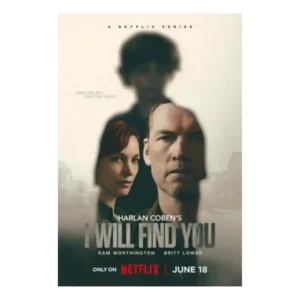
Direction gets a little credit for keeping the show polished, but not everyone is impressed. One critic praises the capable finish, while another says the direction does the bare minimum.
Pros: bingeability, suspense
Cons: plot twists, entertainment value
One critique links the season’s choppy movement between storylines to problems in direction, especially when too many plot threads compete for attention.
Pros: story quality, emotional impact
Cons: drama quality, writing quality
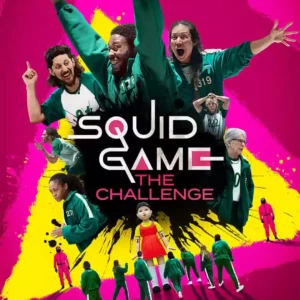
Gareth Birkett’s first four episodes drew sharp criticism from one reviewer for failing to mask the show’s manufactured quality.
Pros: emotional impact, plot originality
Cons: entertainment value, character likability
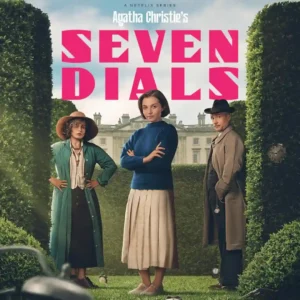
The harshest reviews blame the direction for frustrating or inexplicable creative choices, especially when potentially interesting framing gives way to more mundane execution.
Pros: entertainment value, acting quality
Cons: faithfulness to source material, season length

One sharply negative assessment argues that the direction contributes to the reboot feeling flat and less energetic than the original.
Pros: spin-off quality, cultural representation
Cons: romance quality, season pacing
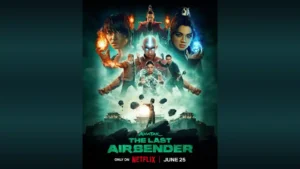
One strongly negative review faults the directing, alongside the writing, for losing sight of what made the source material work.
Pros: character development, action quality
Cons: faithfulness to source material, season pacing
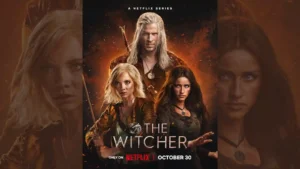
One reviewer blamed the season’s staging and execution for failing to make key material convincing.
Pros: action quality, villain quality
Cons: entertainment value, faithfulness to source material