#1

ThinQ offers deep control over bass, midrange, treble, channel levels, presets, and custom EQ. Those adjustments are valuable because Standard mode and reduced AI processing often sound more natural.
Pros: Inter-speaker connectivity, AI Room Calibration
Cons: Value for money, Music performance
#2
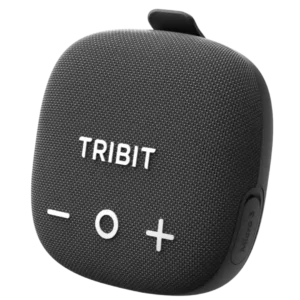
EQ customization was one of the most consistently praised features, with reviewers valuing presets, nine-band control, and custom tuning.
Pros: Magnetic mounting, Frequency response balance
Cons: Backwards compatibility, Distortion at high volume
#3
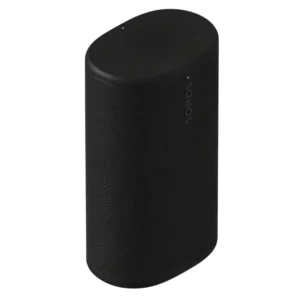
Automatic Trueplay is widely praised for adapting the sound when the speaker moves between rooms or outdoors. Manual tuning is useful too, although the app's bass-and-treble-only EQ feels limited to...
Pros: Overall sound quality, Overall satisfaction
Cons: Price / value for money, App reliability
#4
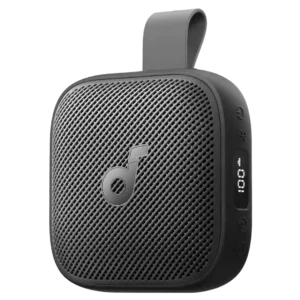
EQ customization was a clear strength, with reviewers saying the app can improve or reshape the sound and offers stronger control than rivals.
Pros: Loudness / maximum volume, Drop resistance durability
Cons: Microphone, Speakerphone quality
#5

The system offers generous EQ, channel-level, bass, and mode adjustments, especially through the apps.
Pros: Home theater integration, Bass performance
Cons: Value for money, Design and aesthetics
#6
Precise parametric EQ is one of the strongest attractions and can substantially improve the sound. Some users find the controls daunting, while others call the interface exceptionally approachable.
Pros: Placement footprint, speaker size
Cons: HDMI ARC, HDMI ARC support
#7
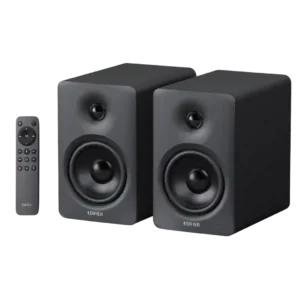
The nine-band EQ and saveable presets make meaningful tonal and room corrections easy, with presets accessible from the remote. Power users may miss full parametric EQ, and some changes require...
Pros: Bass performance, Value for money
Cons: On-device controls, Auto-off and standby behavior
#8

The seven-band EQ is one of the most useful app features and can meaningfully improve bass, vocals, or room tuning. One customer calls it gimmicky, and it becomes unavailable when...
Pros: Music performance, Battery life (if portable)
Cons: Lighting effects, Charging cable inclusion
#9
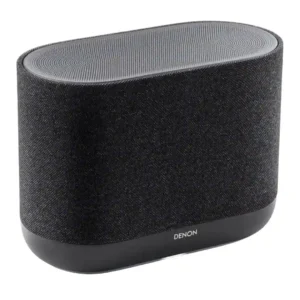
Sound customization is one of the Home 400’s strongest practical features, with bass, treble, width, height, placement, Auto, and Pure options. The flexibility is useful, but extreme width or height...
Pros: Music performance, Voice clarity
Cons: Small-room suitability, Smart assistant integration (Alexa
#10
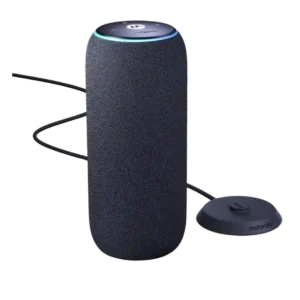
EQ customization is useful for trimming treble and tailoring the sound profile, with reviewers framing it as practical rather than overwhelming.
Pros: Design and aesthetics, Frequency response balance
#11
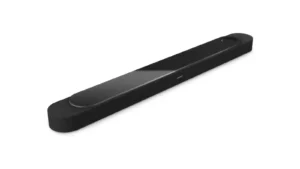
Bose provides useful control over bass, mids, treble, center, height, surround, and subwoofer level. The main limitation is the lack of deeper presets or source-specific EQ memory.
Pros: Design and aesthetics, Overall sound quality
Cons: Value for money, App reliability
#12
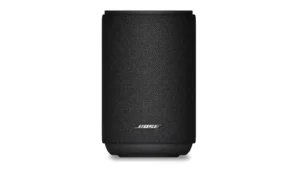
Bass, midrange, treble, and height controls give useful room for personal tuning. Reviewers generally found the adjustments effective, though some felt the basic three-band EQ could not fully correct every...
Pros: Overall sound quality, Design and aesthetics
Cons: Multi-speaker pairing reliability, Smart features
#13

EQ customization is a strength overall, with multiple reviewers valuing the 7-band EQ, though one found its audible impact limited at low levels.
Pros: Frequency response balance, Loudness / maximum volume
Cons: Weight convenience, Lighting effects
#14
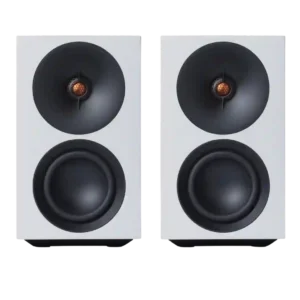
The EQ options are subtle rather than dramatic, with Normal usually preferred for balanced listening and Voice or Movie useful for specific content. Placement EQ can make a noticeable improvement...
Pros: Design and aesthetics, Small-room suitability
Cons: Distortion at high volume, On-device controls
#15
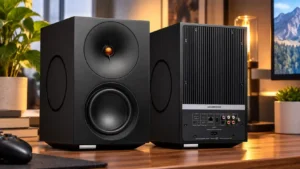
EQ helps tame excess bass and lively highs, though the controls are relatively basic. Listeners wanting deeper adjustment may find the available tools limited.
Pros: Design and aesthetics, Overall sound quality
Cons: Placement footprint, Midrange performance
#16
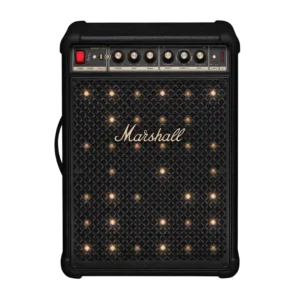
The physical bass and treble controls are effective and can quickly fix tonal issues. The tradeoff is limited adjustment range in some cases and no full remote EQ in the...
Pros: Battery life (if portable), Weight convenience
Cons: App reliability, Remote control usability
#17

The app offers basic bass and treble adjustment, but tuning is minimal, can apply slowly, and lacks room correction or more advanced controls.
Pros: Music performance, Voice assistant responsiveness
Cons: Value for money, Bass performance
#18

EQ control is a recurring weakness. The Sonos app largely limits adjustment to bass and treble, leaving anyone who wants midrange, multiband, or parametric control with little room to fine-tune...
Pros: Overall satisfaction, Overall sound quality
Cons: Trueplay room tuning, Smart assistant integration (Alexa
