Best for body temperature tracking
Samsung Galaxy Watch Ultra 2
4.5 attribute score
Highest scored product for this attribute based on supporting review evidence.

Highest scored product for this attribute based on supporting review evidence.
Balances the attribute score, supporting reviews, and overall product strength.
Has the broadest review evidence for this attribute.
Strongest overall product among items with scored evidence for this attribute.

Skin-temperature trends can feed Vitals and flag unusual overnight changes, giving the metric a practical role beyond simply showing a number. The usefulness comes mainly from baseline alerts rather than...
Pros: battery life, comfort
Cons: value for money, charging speed
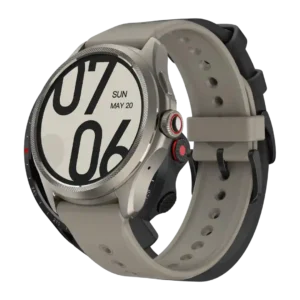
Body-temperature tracking received positive comparative feedback when one reviewer said it matched Oura Ring results.
Pros: battery life, display quality
Cons: voice assistant quality, sleep tracking accuracy
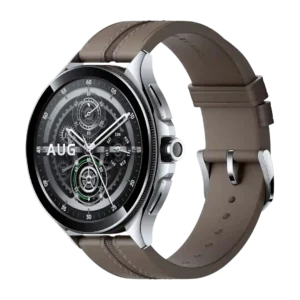
Body temperature tracking had limited positive evidence, with reviewers saying skin/body temperature readings were in line or accurate.
Pros: app ecosystem, battery life
Cons: size options, comfort
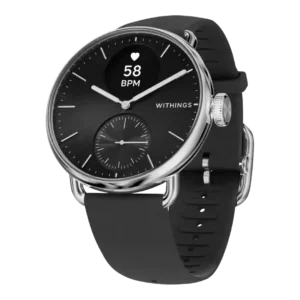
Reviewers treated temperature tracking as a distinctive upgrade, useful for illness warnings, workout heat awareness, and recovery context, though some found its alerts or presentation limited.
Pros: style and design, battery life
Cons: smartwatch features, value for money
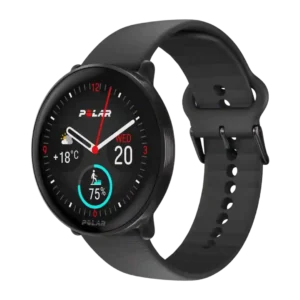
Body temperature tracking was viewed as useful enough for trends, with some reviewers finding the results accurate or aligned with comparison devices.
Pros: display quality, coaching features
Cons: value for money, battery life
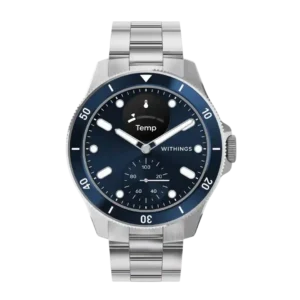
Temperature tracking was viewed as medically useful by several reviewers, though one reviewer questioned its wrist accuracy and another found it irrelevant day to day.
Pros: battery life, style and design
Cons: value for money, charging convenience
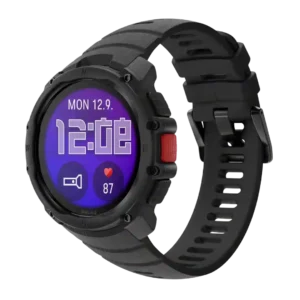
Body temperature tracking was treated as a nice-to-have rather than a major deciding feature.
Pros: value for money, flashlight usefulness
Cons: user interface
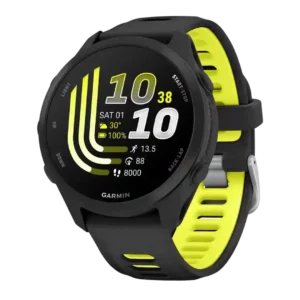
Temperature-related capability is valued for cycle tracking, but reviewers also note that Garmin reserves some skin-temperature features for more expensive models.
Pros: value for money, battery life
Cons: mapping and navigation, materials quality
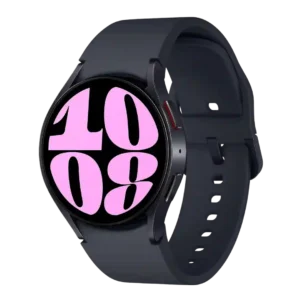
Temperature tracking split reviewers: one praised working skin-temperature readings, another found object temperature checks wrong, and one noted cycle prediction limits.
Pros: software smoothness, comfort
Cons: battery life, GPS accuracy

The missing temperature sensor limits advanced women’s health and overnight temperature insights. Buyers who need those features should consider the Forerunner 170 or a higher model.
Pros: battery life, value for money
Cons: mapping and navigation, smartwatch features
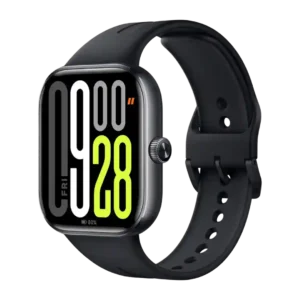
Body temperature tracking is effectively absent; the reviewer grouped the missing temperature sensor with features that would have been nice to have.
Pros: battery life, display quality
Cons: smartphone notifications, sleep tracking accuracy
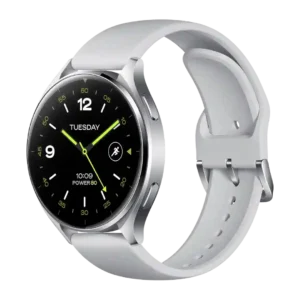
Body temperature tracking was a missing feature and was called a consideration for users who specifically want it.
Pros: value for money, smartphone notifications
Cons: battery life, operating system experience
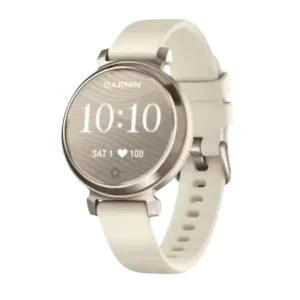
Multiple reviewers treated the missing temperature sensor as a meaningful weakness for a female-focused wearable and period prediction.
Pros: battery life, style and design
Cons: sleep tracking accuracy, workout tracking variety
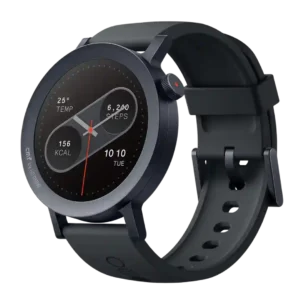
Body temperature tracking was treated as an absent advanced health metric rather than a supported feature.
Pros: value for money, battery life
Cons: GPS accuracy, sleep tracking accuracy
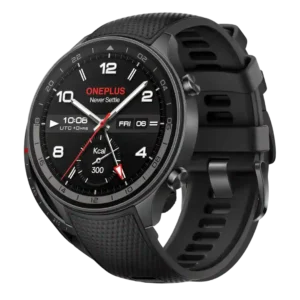
Body temperature tracking was criticized as missing, with one reviewer saying it would have been useful.
Pros: battery life, value for money
Cons: companion app quality, charging convenience