#1
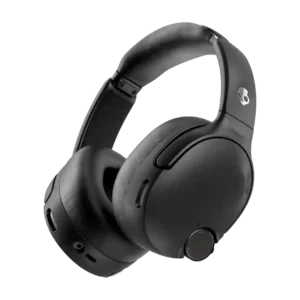
The large, well-sealed earcups provide strong passive isolation before ANC is even switched on. One reviewer said the outside world already became noticeably quieter from the fit alone.
Pros: Value for money, Bass performance
Cons: Weight comfort, Frequency response accuracy
#2
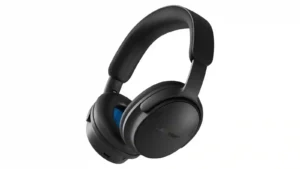
Passive isolation benefits from the tighter oval seal and plush cushions. Reviewers say the design meaningfully quiets the outside world even before ANC starts.
Pros: Overall recommendation, Active noise cancellation
Cons: Battery, Equalizer customization
#3
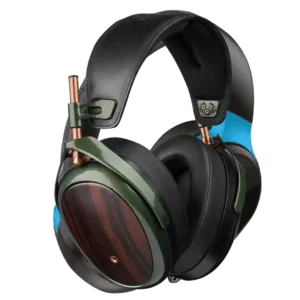
Passive isolation is unusually strong for an audiophile headphone and works well in offices, homes, and travel. Performance depends on achieving a complete pad seal.
Pros: Bass performance, Design and Aesthetics
Cons: Headband adjustability
#4

The over-ear fit usually provides strong passive isolation and helps the ANC, though one tester found the fabric cushions less isolating than expected.
Pros: Battery, Charging
Cons: Value for money, Codec support
#5
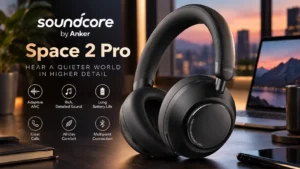
The plush earcup seal provides useful isolation even with the headphones powered off. Several accounts find this passive blocking makes a meaningful contribution to quietness.
Pros: Active noise cancellation, Sound quality
Cons: Carry case quality, Included accessories
#6
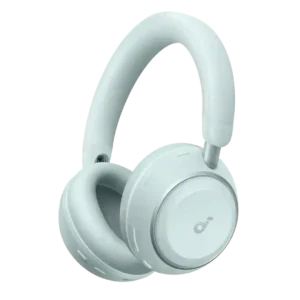
Passive isolation was helped by a strong seal and was explicitly called excellent in one lab-style review.
Pros: Battery, Active noise cancellation
Cons: Transparency mode quality, Carry case quality
#7

Passive isolation benefits from the deep cushions and seal, especially with UltraPlush; the more porous Knit pads trade some isolation for breathability.
Pros: Overall recommendation, Replaceable pads/headband
Cons: 3.5mm analog input availability, Travel friendliness
#8
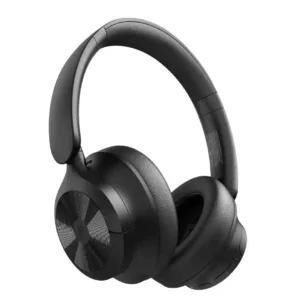
The ear pads provide useful passive isolation and do much of the work even before ANC is engaged.
Pros: Comfort during long use, Sound quality
Cons: Button control usability, Codec support
#9
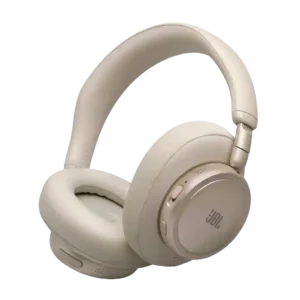
Passive isolation depends strongly on fit: the snug seal and plush pads block a useful amount for many users, while others find it minimal.
Pros: Overall recommendation, Active noise cancellation
Cons: Bass performance, Clamping force comfort
#10
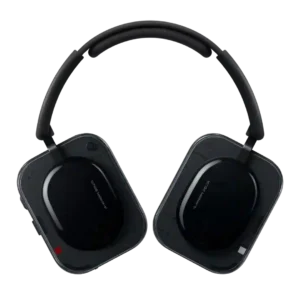
Passive isolation can be quite effective with a good seal, but glasses or fit issues can weaken it noticeably.
Pros: Battery, Active noise cancellation
Cons: Bass performance, Carry case quality
#11
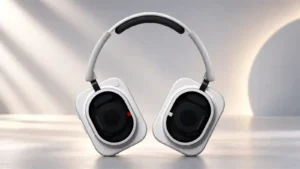
The soft cushions can create a strong passive seal, and one reviewer called the isolation impressive. Another found the softer pads reduced isolation, while fit and glasses can change the...
Pros: Active noise cancellation, Overall recommendation
Cons: Carry case quality, Value for money
#12

Passive isolation has limited positive evidence, described only as decent in one source.
Pros: Design and Aesthetics, Built-in DAC and hi-res playback
#13
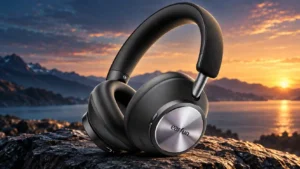
A good seal can make these feel well isolated and preserve bass. Glasses or small head movements can break that seal for some wearers, while another finds the fit nearly...
Pros: Comfort during long use, Ear cup padding quality
Cons: Frequency response accuracy, Treble clarity
#14
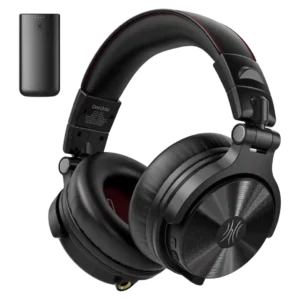
Passive isolation was inconsistent: some found it good or decent, while DJ-focused reviewers said it was only moderate or not strong enough for loud environments.
Pros: Overall recommendation, Comfort during long use
Cons: Sound quality, Frequency response accuracy
#15
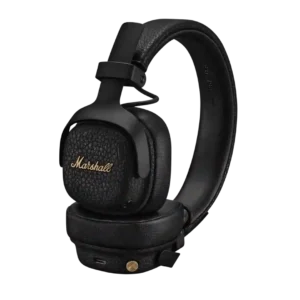
Passive isolation is the predictable weak point of the on-ear design. The pads help, but the incomplete seal lets voices and sharper sounds pass through.
Pros: Overall recommendation, Battery
Cons: Wear detection auto-pause, Noise isolation (passive)
#16
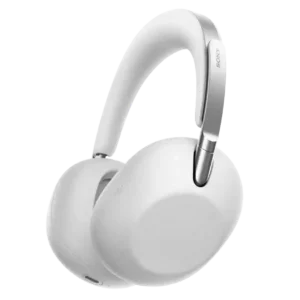
Passive isolation is only average because the comfort-focused seal is less tight. ANC compensates well at low frequencies but voices and higher sounds can pass through.
Pros: Comfort during long use, Premium feel
Cons: Battery, Value for money
#17
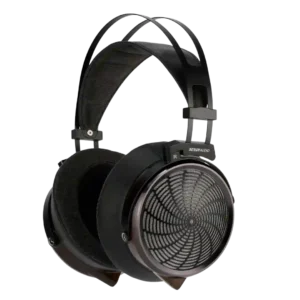
Passive isolation is minimal, as expected from an open-back headphone. Outside sounds remain audible, so it works best in a quiet private room.
Pros: Build quality, Comfort during long use
