#1
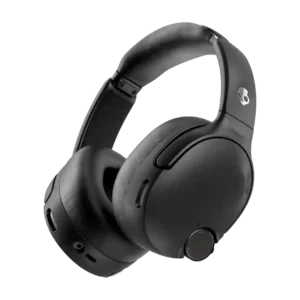
The Bose-influenced tuning creates a noticeably wider and more open soundstage than previous Crusher models. TrueSpatial can expand it further, especially for movies and stationary listening.
Pros: Value for money, Bass performance
Cons: Weight comfort, Frequency response accuracy
#2
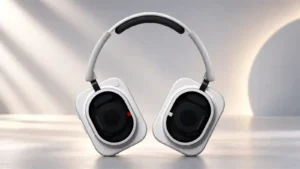
The presentation is wider and more open than earlier Nothing models, with strong spatial placement. It still sounds more closed-in than large open-back reference headphones.
Pros: Active noise cancellation, Overall recommendation
Cons: Carry case quality, Value for money
#3

The soundstage is consistently spacious for a closed wireless headphone, with good width and room around instruments.
Pros: Overall recommendation, Replaceable pads/headband
Cons: 3.5mm analog input availability, Travel friendliness
#4
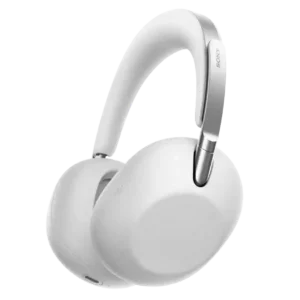
The soundstage is notably wide and airy for a closed-back wireless headphone, giving instruments room to breathe. Depth and intimacy are less convincing for some listeners.
Pros: Comfort during long use, Premium feel
Cons: Battery, Value for money
#5
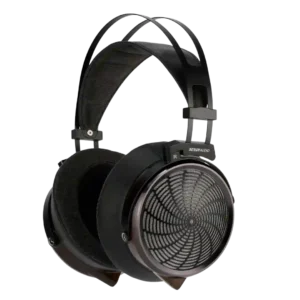
The open-back presentation creates a broad, stable stage with convincing depth and placement. Most listeners praise its spaciousness, though one found it less expansive than the widest open-back alternatives.
Pros: Build quality, Comfort during long use
#6
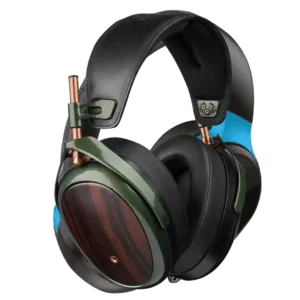
An unusually airy, wide stage is one of the clearest strengths for a closed-back headphone. Its exact depth and scale remain recording-dependent, and a few listeners hear a more intimate...
Pros: Bass performance, Design and Aesthetics
Cons: Headband adjustability
#7
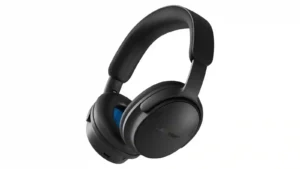
Soundstage is generally spacious for a closed-back headphone and can widen further with Cinema or Immersive modes. The Ultra still sounds a little more open in direct comparisons.
Pros: Overall recommendation, Active noise cancellation
Cons: Battery, Equalizer customization
#8
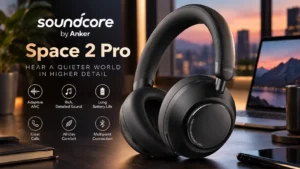
Some hear broad width and depth, especially after EQ or in instrumental tracks. Others describe compact staging or wish vocal recordings sounded more open.
Pros: Active noise cancellation, Sound quality
Cons: Carry case quality, Included accessories
#9
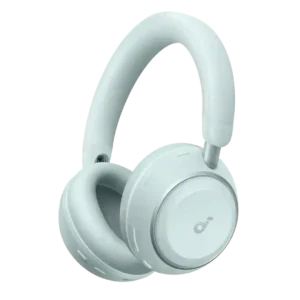
Reviewers repeatedly heard a wide or spacious presentation, with praise for width, depth and a roomy soundstage at the price.
Pros: Battery, Active noise cancellation
Cons: Transparency mode quality, Carry case quality
#10
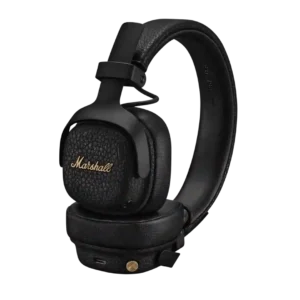
The native soundstage ranges from intimate to surprisingly spacious for on-ears. Marshall’s Soundstage mode can add width, though the result depends strongly on the setting and content.
Pros: Overall recommendation, Battery
Cons: Wear detection auto-pause, Noise isolation (passive)
#11
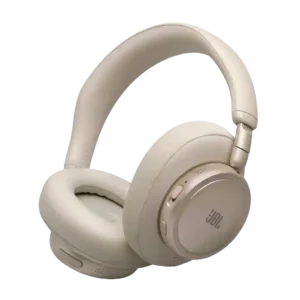
The presentation can feel pleasantly wide and open for a closed-back model, especially with spatial modes. Other tests found the native stage average or narrow, so expectations should stay realistic.
Pros: Overall recommendation, Active noise cancellation
Cons: Bass performance, Clamping force comfort
#12
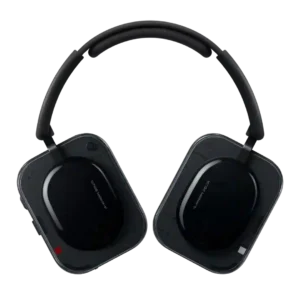
Soundstage impressions are mixed. Some hear a notably open or wider-than-expected presentation, while others find it close, narrow, or only average for closed-back headphones.
Pros: Battery, Active noise cancellation
Cons: Bass performance, Carry case quality
#13

The presentation is usually intimate rather than open-back expansive. Some hear a pleasant medium-room space, while others find it boxed in; EQ or disabling ANC can improve openness.
Pros: Comfort during long use, Ear cup padding quality
Cons: Frequency response accuracy, Treble clarity
#14
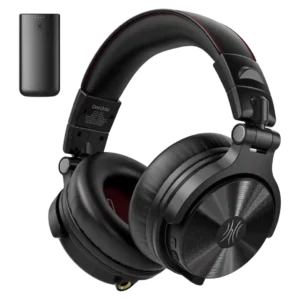
Soundstage impressions were mixed, ranging from average or closed-in to reasonably wide and useful for gaming or general listening.
Pros: Overall recommendation, Comfort during long use
Cons: Sound quality, Frequency response accuracy
#15

The stage is inconsistent across listeners: some hear a wide, dynamic presentation, while others find it enclosed or only average in width and depth.
Pros: Battery, Charging
Cons: Value for money, Codec support
#16
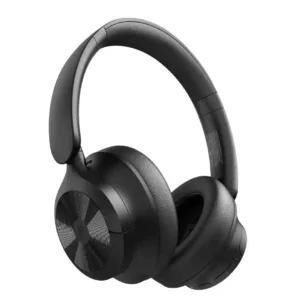
Soundstage is acceptable but not expansive: one review called it decent, while others found it flat, shallow, or mostly inside the head.
Pros: Comfort during long use, Sound quality
Cons: Button control usability, Codec support
#17

Soundstage width is limited, with one track sounding hollow and underfilled.
Pros: Design and Aesthetics, Built-in DAC and hi-res playback
