If you want better Customer support
Choose Shokz OpenRun. It scores 5.0 vs 1.0 for Customer support, with a 4.1 overall score.

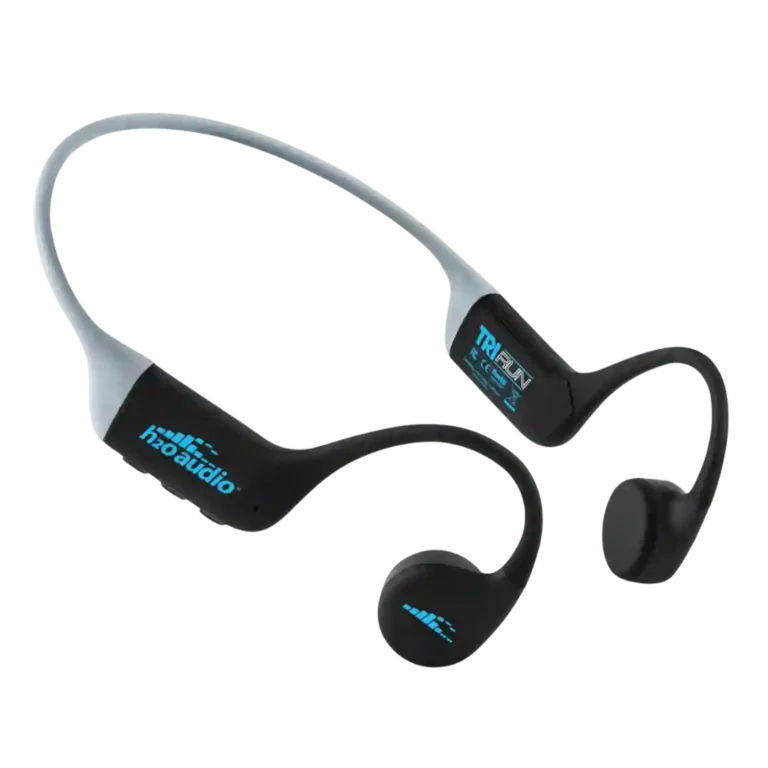
Choose it for secure, featherlight open-ear fit, excellent rain and sweat protection, and simple controls. Skip it if you want strong bass, reliable outdoor call quality, long battery life, USB-C charging, or the best performance near $100.
Runners and cyclists who prioritize awareness, a secure featherlight fit, strong rain and sweat protection, and simple physical controls. It is especially suitable for podcasts and spoken audio when $99 is a firm ceiling.
Bass-focused listeners, frequent outdoor callers, swimmers, and athletes who need phone-free playback or more than about six hours per charge should look elsewhere. It also lacks USB-C, app controls, and EQ adjustment.
The Tri Run gets the athletic fundamentals right: it is exceptionally light, usually comfortable, secure during running and cycling, easy to control, and protected well against sweat and rain. Its open-ear design also preserves the environmental awareness many outdoor athletes want. The compromise is performance. Most reviewers found the sound merely acceptable, with weak or muddy bass, reduced audibility in wind and traffic, and noticeable cheek vibration near maximum volume. Call quality also drew sharp criticism outdoors. Battery life lands around five to six hours, and the proprietary USB-A charging cable feels dated without quick charging. At a strict $99 ceiling, the simple design can make sense, especially for podcasts and spoken audio. Several reviewers, however, felt a modest extra spend buys substantially better sound, battery life, fit options, and overall value.
Compared with other Open-Ear Headphones, this product is above average in Firmware/audio stability, Headband adjustability, Water/sweat resistance rating, near average in Button control usability, Stability, below average in Microphone noise reduction, USB-C, Equalizer customization.
| Attribute | This product | Category average | Difference |
|---|---|---|---|
| Microphone noise reduction | 1.0 | 4.1 | -3.1 |
| USB-C | 1.2 | 4.1 | -3.0 |
| Equalizer customization | 1.0 | 3.9 | -2.9 |
| Customer support | 1.0 | 3.9 | -2.9 |
| Firmware/audio stability | 5.0 | 2.5 | +2.5 |
| Charging | 2.0 | 4.3 | -2.3 |
| Multipoint connectivity reliability | 2.3 | 4.4 | -2.2 |
| Instrument separation | 2.0 | 4.2 | -2.2 |
Choose Shokz OpenRun. It scores 5.0 vs 1.0 for Customer support, with a 4.1 overall score.
Choose H2O Audio TRI 2 PRO Headphones. It scores 4.2 vs 2.0 for Charging, with a 3.6 overall score.
Choose EarFun Clip 2. It scores 4.6 vs 1.0 for Equalizer customization, with a 4.4 overall score.
Choose Shokz OpenRun Pro 2. It scores 5.0 vs 1.2 for USB-C, with a 4.4 overall score.
Products reviewers directly compared with this model, grouped into quick takeaways.
No. IPX8 protection handles sweat, rain, and water exposure, but Bluetooth does not work underwater and the headset has no onboard storage.
Usually yes. Most testers found it light, comfortable, and stable even on uneven trails, though head shape, hair, high collars, and the neckband style can affect fit.
Voices, podcasts, and lighter pop are generally clear, but bass is weak and layered music can sound muddy. Wind and traffic also make the limited output more noticeable.
Call quality is inconsistent. Two outdoor tests produced fuzzy, distant, or underwater-sounding speech with poor wind handling, while one reviewer found calls acceptable.
Expect roughly five to six hours in typical use, especially when volume is high. Charging uses a proprietary four-pin cable with USB-A, and there is no quick-charge mode.
It has no companion app, EQ adjustment, or onboard storage. Multipoint pairing was unavailable or could not be established in testing.
It can be a sensible choice when $99 is a hard limit and weather protection matters most. Several testers felt that spending a little more brings noticeably better sound, battery life, and overall refinement.
These are a few of the reviews included in our analysis.
The H2O Audio TRI Run open-ear bone conduction headphones are the entry point in the American headphone manufacturer’s bone conduction line...
H2O Audio TRI Run are secure, lightweight, and comfortable bone conduction headphones, perfect for those who take exercise more seriously...
H2O Audio’s stab at a sub-$100 pair of bone conduction workout headphones just misses the mark.
Discover the features, benefits, and safety of the H2O Audio Tri Run headphones. Learn how they compare to the TRI Pro 2 for runners and...
Disclaimer: The Run Testers sometimes use affiliate links. This means that we may receive payment if you buy products on our website or...
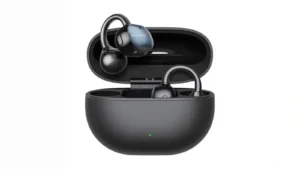
Choose the UU2 for unusually full open-ear sound, all-day comfort, strong battery life and excellent value. Skip it if you need sealed-bud isolation, consistently strong calls, or zero tolerance for...
Pros: Overall satisfaction, Sound quality
Cons: Spatial audio
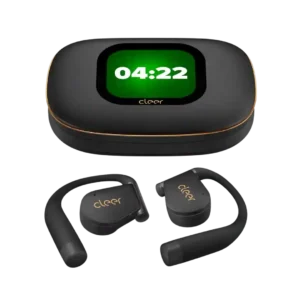
Best for all-day comfort, secure open-ear awareness, long battery life, and a genuinely useful touchscreen case. Skip it if deep bass, strong isolation, compact size, or consistently premium music quality...
Pros: Overall satisfaction, Carry case quality
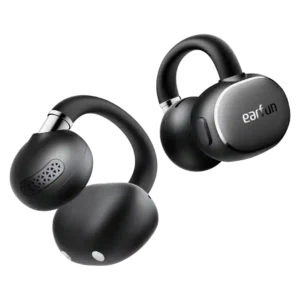
Best for lightweight all-day comfort, outstanding battery life, dependable physical controls, and premium features at a budget price. Skip it if you need deep bass, noise isolation, flawless high-volume sound,...
Pros: Overall satisfaction, Sound quality
Cons: Maximum volume clarity, Noise isolation (passive)
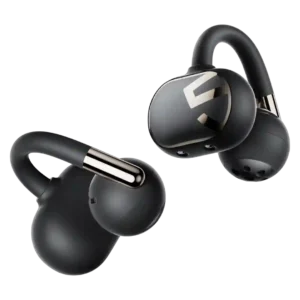
Best for featherlight all-day comfort, secure workout fit, strong open-ear sound, and unusually rich features for the price. Skip it if you need ANC, deep sub-bass, high volume in noisy...
Pros: Comfort during long use, Sound quality
Cons: Carry case quality, Touch control responsiveness