#1

Automatic switching between Apple devices is exceptionally smooth and repeatedly described as a major ecosystem advantage, even though traditional cross-platform multipoint is not the focus.
Pros: Overall satisfaction, Sound quality
Cons: Battery, Eartips fit
#2
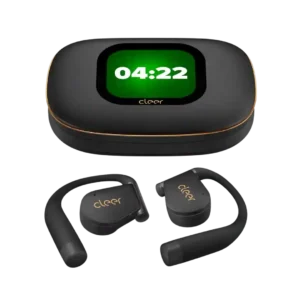
Multipoint switching between phones, tablets, and computers is consistently viewed as convenient and seamless, reducing the need to re-pair devices.
Pros: Overall satisfaction, Carry case quality
#3
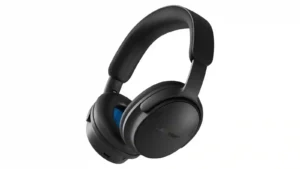
Multipoint reliability is excellent in the tests that covered it. Laptop-to-phone switching was fast and seamless, including incoming-call handoffs.
Pros: Overall recommendation, Active noise cancellation
Cons: Battery, Equalizer customization
#4

Multipoint is a standout success, switching smoothly between two phones or across phone, tablet, and computer setups.
Pros: Overall recommendation, Battery
Cons: Wear detection auto-pause, Noise isolation (passive)
#5

Dual-device switching worked reliably in the reviews that tested it, including mixed Android, Mac and phone use.
Pros: Active noise cancellation, Overall recommendation
Cons: Carry case quality, Value for money
#6
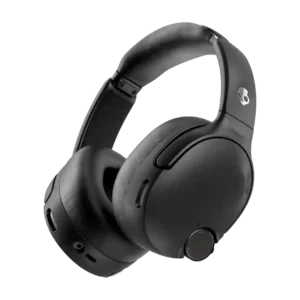
Multipoint switching worked flawlessly in direct testing between an Android phone and an iPhone. Playback handed off cleanly without needing to reconnect devices.
Pros: Value for money, Bass performance
Cons: Weight comfort, Frequency response accuracy
#7

Multipoint connectivity can handle two devices cleanly, and at least one long-form test reported flawless operation.
Pros: Comfort during long use, Premium feel
Cons: Battery, Value for money
#8

Two-device switching is one of the strongest practical features, with laptop-and-phone handoffs repeatedly described as effortless or reliable. Adapter priority can affect media behavior in one setup.
Pros: Battery, Charging
Cons: Value for money, Codec support
#9

Multipoint switching between two devices was consistently described as useful and generally seamless. The main tradeoff is that LDAC must be disabled while multipoint is active.
Pros: Overall satisfaction, Sound quality
Cons: Spatial audio
#10

Switching between a laptop or watch and a phone is a useful everyday perk. Some wearers found transitions seamless without repeated manual reconnecting.
Pros: Weight comfort, Sound quality
Cons: Noise isolation (passive), Wireless charging
#11
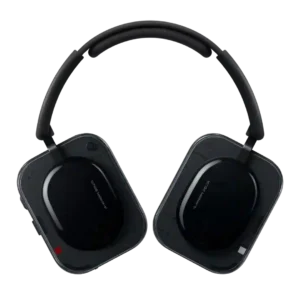
Multipoint is generally easy and reliable once enabled, with reviewers praising quick switching between a phone and laptop or other paired devices.
Pros: Battery, Active noise cancellation
Cons: Bass performance, Carry case quality
#12
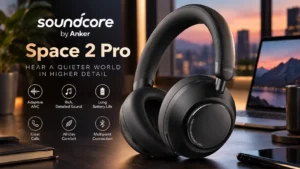
Phone-and-computer or phone-and-tablet switching is generally stable and convenient. Automatic and manual switching options are appreciated, although transitions can take a few seconds.
Pros: Active noise cancellation, Sound quality
Cons: Carry case quality, Included accessories
#13

Pairing with both phone and laptop makes switching sources easier without constant reconnecting. The convenience expands its usefulness beyond exercise.
Pros: Charging, Stability
Cons: Bass performance, Sound quality
#14
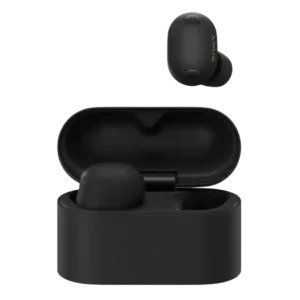
Multipoint was consistently useful and reliable in most testing, with reviewers highlighting seamless switching and simultaneous two-device use.
Pros: Active noise cancellation, Sound quality
Cons: Spatial audio, Ear tip size options
#15
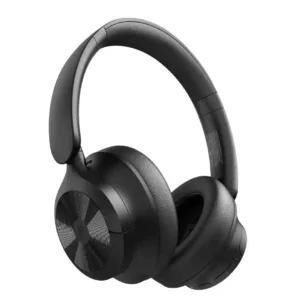
Multipoint is a standout convenience, with several reviewers reporting seamless or easy switching between two connected devices.
Pros: Comfort during long use, Sound quality
Cons: Button control usability, Codec support
#16
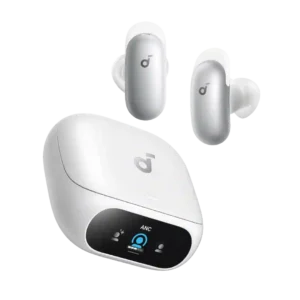
Multipoint is a standout convenience. Reviewers like connecting up to three devices and switching between work, phone, and laptop, although LDAC tradeoffs remain.
Pros: Sound quality, Microphone quality for calls
Cons: Battery, Bluetooth
#17
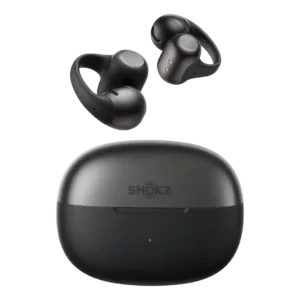
Multipoint is a strong everyday feature, with smooth switching between phone and laptop or dual-phone tests. Reviewers who used it generally found it reliable and easy to manage in the...
Pros: Overall satisfaction, Sound quality
Cons: Value for money, Noise isolation (passive)
#18

Multipoint usually switches quickly and seamlessly between phones and computers. Some tests found buggy handoffs or required playback to be paused on the first device.
Pros: Overall recommendation, Active noise cancellation
Cons: Bass performance, Clamping force comfort
#19

Multipoint is widely praised for moving smoothly between two devices, including phone-and-computer setups. One customer reported that simultaneous multi-device use did not work as expected, so real-world behavior is not...
Pros: Overall satisfaction, Sound quality
Cons: Active noise cancellation, Carry case quality
#20
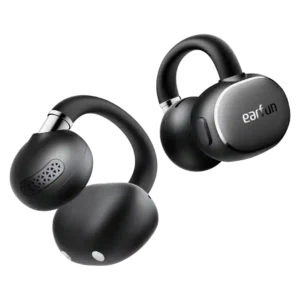
Switching between a phone and computer is usually fast and reliable, and the app’s device list helps. Multipoint cannot operate with LDAC, and a few users experienced inconsistent routing or...
Pros: Overall satisfaction, Sound quality
Cons: Maximum volume clarity, Noise isolation (passive)
#21
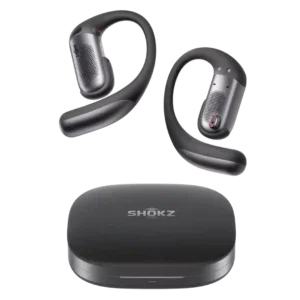
Two-device pairing works well for most people and switching is usually smooth. One customer found that playback would not automatically hand off until the first device was stopped.
Pros: Sound quality, Comfort during long use
Cons: Value for money, Volume output
#22
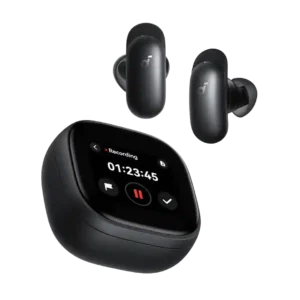
Three-device multipoint is a major convenience for people moving between phones, tablets, laptops, and work devices. The main tradeoff is that full LDAC quality is not available when all three...
Pros: Overall satisfaction, Active noise cancellation
Cons: Value for money, AI transcription and summaries
#23

Two-device switching is usually convenient for moving between a phone and computer. LDAC restrictions and occasional interruptions when another device resumes playback are the main tradeoffs.
Pros: Comfort during long use, Ear cup padding quality
Cons: Frequency response accuracy, Treble clarity
#24

Multipoint was positively noted because LDAC remained available with dual-device use rather than forcing a lower-quality codec.
Pros: Battery, Active noise cancellation
Cons: Transparency mode quality, Carry case quality
#25

Dual-device connection usually works reliably and is useful for moving between a phone and computer. Some tests show a brief handoff delay or require pausing one device before starting the...
Pros: Overall satisfaction, Value for money
Cons: AI transcription and summaries, Spatial audio
#26

Multipoint is usually useful for two-device workflows and several reviewers found switching easy. Others encountered awkward handoffs or enough instability to disable it, making reliability somewhat device-dependent.
Pros: User-replaceable batteries, Overall satisfaction
Cons: Auracast support, Sensors
#27
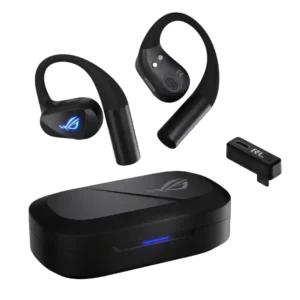
Multipoint is excellent when it works, with fast switching and useful dual-device behavior. Several reviews, however, criticize unpredictable switching or the lack of simultaneous audio in certain setups.
Pros: Overall satisfaction, Sound quality
Cons: Value for money, Bass performance
#28
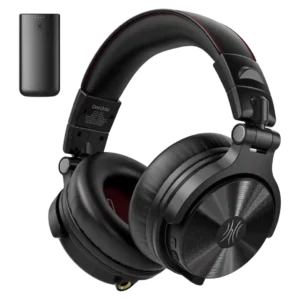
Multipoint was appreciated for convenience, but reviewers noted tradeoffs: LDAC can disable it, and some app-supported features only work in Bluetooth mode.
Pros: Overall recommendation, Comfort during long use
Cons: Sound quality, Frequency response accuracy
#29
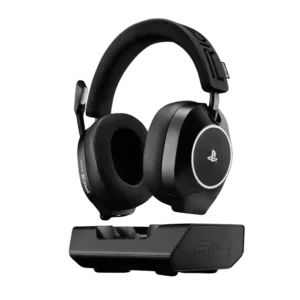
Simultaneous Bluetooth and wireless use was limited because reviewers could take calls but could not fully mix phone music with game audio.
Pros: Sound quality, Included stand quality
Cons: Detachable microphone convenience
#30

Automatic switching can work well inside supported ecosystems, but there is no true simultaneous Android-and-iPhone multipoint connection.
Pros: Overall recommendation, Replaceable pads/headband
Cons: 3.5mm analog input availability, Travel friendliness
#31

Multipoint is useful when it works, but evidence is split between smooth two-device use and frustration enabling it.
Pros: Battery, Stability
Cons: Value for money, Charging
#32

Simultaneous connection to two devices could not be established. One tester viewed the missing multipoint function as a minor limitation rather than a deal-breaker.
Pros: Comfort during long use, Stability
Cons: Sound quality, Overall satisfaction
#33

Multipoint reliability was weak because one reviewer found that Lightspeed and Bluetooth had to be chosen separately rather than used together.
Pros: Comfort during long use, Design and Aesthetics
Cons: Build quality, Microphone
#34
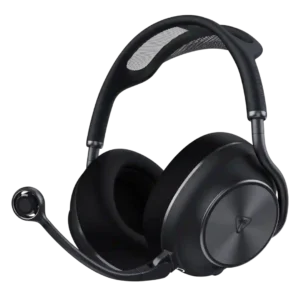
The headset mixes one Bluetooth source with one 2.4GHz source, but it does not provide true Bluetooth multipoint. Some users report device-priority confusion or call-volume failures when multiple connections are...
Pros: Overall satisfaction, Sound quality
Cons: Weight comfort, Stability
#35
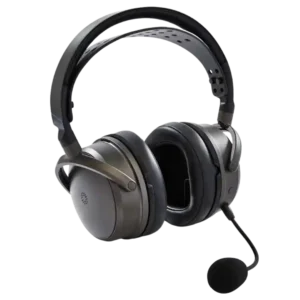
This is one of the clearest drawbacks: the Maxwell 2 cannot mix Bluetooth and 2.4GHz dongle audio at the same time. Bluetooth can coexist with wired USB or analog audio,...
Pros: Overall satisfaction, Sound quality
Cons: Weight comfort, Comfort during long use
