#1
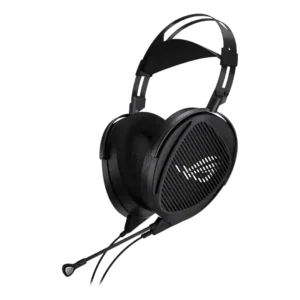
Channel matching and overall response consistency are repeatedly praised. The velour pads provide the more linear midrange, while the stock presentation stays close to a neutral studio-style target.
Pros: Overall satisfaction, Sound quality
Cons: Microphone, Headband adjustability
#2

The core tuning is disciplined, balanced, and natural, favoring smoothness and accuracy over exaggerated warmth.
Pros: Value for money, Multi-platform compatibility
#3
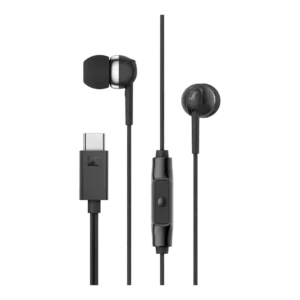
Tonal accuracy is praised in acoustic instruments and vocal reproduction, including changing vocal registers and guitar tone. The tuning comes across as controlled and faithful rather than exaggerated.
Pros: Sound quality, Eartips fit
Cons: Overall satisfaction, Bass performance
#4

One reviewer specifically praised the overall tonal balance after tuning, describing the sound as well balanced. Other comments on bass, mids, and treble show that the default response can vary...
Pros: Overall satisfaction, Sound quality
Cons: Active noise cancellation, Carry case quality
#5

One music-focused test described the presentation as true-to-life and full of character, with complex mixes staying composed.
Pros: Battery, Charging
Cons: Value for money, Codec support
#6

Factory tuning is one of the generation's biggest audio improvements. Reviewers repeatedly describe it as balanced, refined, and more tonally honest than earlier QuietComfort models.
Pros: Overall recommendation, Active noise cancellation
Cons: Battery, Equalizer customization
#7

The tuning is widely described as balanced, natural, and reference-like rather than heavily colored. That accuracy suits detail-focused listening, though bass- or excitement-seeking users may want EQ.
Pros: Overall satisfaction, Sound quality
Cons: Weight comfort, Comfort during long use
#8

The default tonal balance is generally neutral and even, with controlled bass and clear highs rather than an aggressively sculpted signature.
Pros: Overall satisfaction, Sound quality
Cons: Battery, Eartips fit
#9

Most listeners hear a refined, balanced tuning with clearer mids and less muddiness than the XM6. One detailed assessment found the response uneven across genres.
Pros: Comfort during long use, Premium feel
Cons: Battery, Value for money
#10

The default tuning is usually praised as balanced, natural and close to a reference-style presentation rather than aggressively V-shaped. The main exception is uneven upper-treble energy that some listeners find...
Pros: User-replaceable batteries, Overall satisfaction
Cons: Auracast support, Sensors
#11

Several listeners describe the tuning as balanced and natural, especially through the mids. Driver position and ear shape can shift the treble substantially, so individual EQ may be necessary.
Pros: Overall satisfaction, Sound quality
Cons: Maximum volume clarity, Noise isolation (passive)
#12
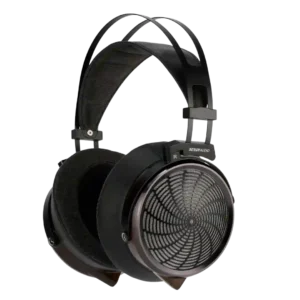
The response is controlled and broadly balanced, with no exaggerated bass shelf or sharp showroom-style treble boost. Its warmer lower midrange keeps it from being strictly neutral.
Pros: Build quality, Comfort during long use
#13

The tuning is broadly balanced and cohesive, but one reviewer found the dynamic range compressed. It favors an enjoyable presentation over strict analytical neutrality.
Pros: Overall recommendation, Battery
Cons: Wear detection auto-pause, Noise isolation (passive)
#14

Flat mode can sound impressively accurate, but lab measurements raised concerns about high-frequency variability and positioning sensitivity. Fit appears to affect the measured response more than usual.
Pros: Active noise cancellation, Overall recommendation
Cons: Carry case quality, Value for money
#15
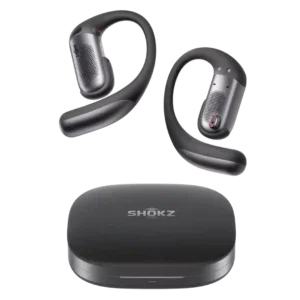
The overall balance was described as lively and fairly even, though the open fit still limits deep bass extension.
Pros: Sound quality, Comfort during long use
Cons: Value for money, Volume output
#16
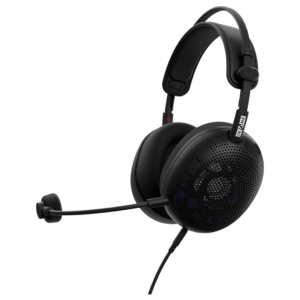
SoundGuys' review and video both said the tuning followed its preference curve closely, with some sub-bass and upper-treble dips.
Pros: Sound quality, Microphone
Cons: Microphone noise reduction, Spatial audio
#17
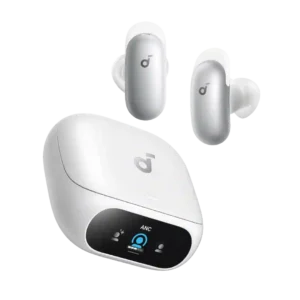
Accuracy is not the default sound profile’s strongest suit. The buds can sound fast and detailed, but some listeners say the tuning is more exciting than neutral.
Pros: Sound quality, Microphone quality for calls
Cons: Battery, Bluetooth
#18

Default tuning was described as reasonably clean and usable, though one reviewer still preferred the flatter EQ setting.
Pros: Overall satisfaction, Sound quality
Cons: Value for money, Bass performance
#19

One detailed listening test found the default balance fairly flat across bass, mids and highs, with a natural overall timbre rather than exaggerated coloration.
Pros: Overall satisfaction, Sound quality
Cons: Spatial audio
#20
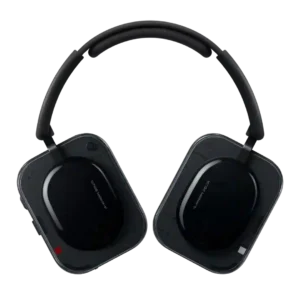
The tuning lands between balanced and consumer-friendly V-shaped depending on the reviewer, with bass and treble emphasis keeping it from being truly neutral.
Pros: Battery, Active noise cancellation
Cons: Bass performance, Carry case quality
#21

The tuning favors energy over neutrality, with elevated bass and sometimes recessed mids. It becomes more balanced and natural with the Studio preset or a custom EQ.
Pros: Overall recommendation, Active noise cancellation
Cons: Bass performance, Clamping force comfort
#22

Frequency accuracy was mostly good but not flawless, with praise for balance and lab curve tracking alongside caveats about ANC-related bass emphasis and missing nuance.
Pros: Active noise cancellation, Sound quality
Cons: Spatial audio, Ear tip size options
#23

The tonal balance is the most disputed part of the Strada. Some hear natural neutrality or gentle warmth, while others describe a U- or W-shaped response with lean lower mids...
Pros: Bass performance, Design and Aesthetics
Cons: Headband adjustability
#24

The tuning is far more balanced than old-school Beats, but it still leans neutral-bright rather than truly reference-flat. That balance works for many listeners but not all.
Pros: Overall recommendation, Replaceable pads/headband
Cons: 3.5mm analog input availability, Travel friendliness
#25
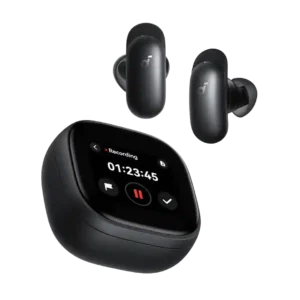
The measured tuning leans heavily above the preferred bass target, especially around the low end. That makes the sound fun for some, but less accurate for neutral listeners.
Pros: Overall satisfaction, Active noise cancellation
Cons: Value for money, AI transcription and summaries
#26

Frequency response was considered consumer-friendly rather than flat, with one reviewer wishing the tuning were closer to neutral.
Pros: Battery, Active noise cancellation
Cons: Transparency mode quality, Carry case quality
#27

Stock tonal balance is the main point of disagreement: some hear a balanced, restrained presentation, while others hear excessive bass or uneven treble. Fine tuning often improves vocal presence and...
Pros: Comfort during long use, Ear cup padding quality
Cons: Frequency response accuracy, Treble clarity
#28
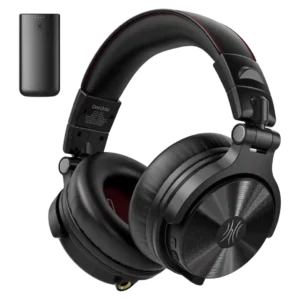
Frequency response was one of the biggest tradeoffs: reviewers noted useful DJ impact and detail but also emphasized non-flat tuning, low-end gaps, bright boosts and poor reference accuracy.
Pros: Overall recommendation, Comfort during long use
Cons: Sound quality, Frequency response accuracy
#29
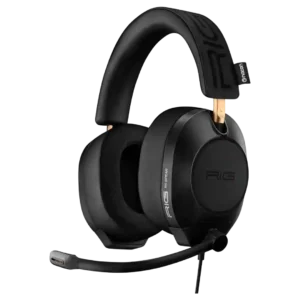
Frequency response was not neutral: reviewers noted unusual tuning, bass emphasis, and reduced upper mids/treble that could help games but hurt some vocals.
Pros: Sound quality, Value for money
Cons: Button control usability, Dongle
#30
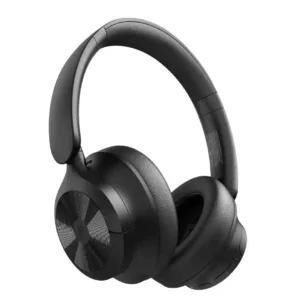
The tuning intentionally favors an engaging V-shape over neutrality, with elevated bass and relaxed highs rather than a reference-accurate balance.
Pros: Comfort during long use, Sound quality
Cons: Button control usability, Codec support
#31

Stock tuning is often described as dark and bass-heavy rather than neutral. Some achieve much better balance through personalization, while others find uneven emphasis persists.
Pros: Active noise cancellation, Sound quality
Cons: Carry case quality, Included accessories
#32

Stock tuning often sacrifices neutrality and detail to a dark, bass-heavy presentation, although some hear a pleasing balance. Sound changes between ANC and transparency also bother a few listeners.
Pros: Overall satisfaction, Value for money
Cons: AI transcription and summaries, Spatial audio
#33

The tuning is more balanced than past Crushers but still not reference-flat. Listeners seeking studio neutrality may find the elevated bass and upper-mid energy too colored.
Pros: Value for money, Bass performance
Cons: Weight comfort, Frequency response accuracy
#34
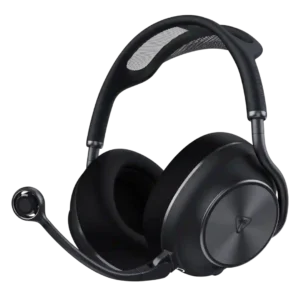
The default signature is intentionally V-shaped rather than neutral, emphasizing bass and upper treble while keeping most mids audible. Listeners seeking studio accuracy will need EQ and may still notice...
Pros: Overall satisfaction, Sound quality
Cons: Weight comfort, Stability
#35

Frequency response accuracy is limited by open-ear physics, with lab notes showing low-end rolloff around the bass region.
Pros: Battery, Stability
Cons: Value for money, Charging
